
In brief: A light bulb is the light-emitting object itself – the bulb or LED module. It is the light source. A light fixture is the complete housing that holds and protects the bulb and directs its light. The fixture determines the look, while the bulb determines the light quality. Choose a fixture for its design and bulbs for their brightness and color temperature.
Light Bulb or Light Fixture: What's the Difference?
People often use these terms interchangeably, but the distinction is crucial when planning your lighting. Knowing the difference helps you plan more efficiently, shop with confidence and avoid mistakes. This guide clears things up.
The Definition: Which Is Which?
A light bulb is the actual light source. It produces the light. Classic examples include the incandescent bulb, the halogen capsule or a modern LED bulb with an E27 base. The bulb is a consumable that you replace.
A light fixture is the complete frame or housing. It holds the bulb, protects it, directs the light and defines the room's style through its shape. A pendant light, floor lamp or wall sconce are all light fixtures. Think of it as the furniture for your lighting.
Pro tip
Remember it this way: The bulb burns out and gets replaced. The fixture stays in place and needs cleaning. This distinction is the foundation of every professional lighting plan.
Why Is the Distinction Important for You?
Knowing the difference saves time and money when shopping. You can search for a new light fixture above the dining table or replacement bulbs for your existing floor lamps. That makes shopping easier.
It is essential for safety, too. Every fixture has a maximum wattage rating. If you install a bulb that is too powerful, the fixture can overheat. Modern LED bulbs use far fewer watts for the same brightness. Pay attention to the lumen rating, too.
Important note
Never exceed the maximum wattage rating of your light fixture. Even though modern LEDs use less power, heat buildup inside a compact fixture housing can cause damage. Follow the manufacturer's specifications.
Lighting design gives you plenty of options. Choose a fixture based on its design and how it will be mounted. Select bulbs separately according to your preferred light color (warm white, neutral white) and brightness. This lets you combine style and function.
An Overview of the Different Types of Light Fixtures
Light fixtures are categorized by how they are installed and what they do. This makes it easier to plan your lighting room by room.
Ceiling Lights: General Lighting
They hang from or are permanently mounted to the ceiling and provide general light. These include simple ceiling lights, opulent chandeliers and understated recessed lights. They provide the base level of brightness.
Pendant and Hanging Lights: Focused Lighting
Pendant lights hang lower from a cable or rod. They create accents above dining tables, kitchen islands or in living areas. The height is often adjustable. Lanterns or hanging lights create a special atmosphere by spreading soft, diffuse light.
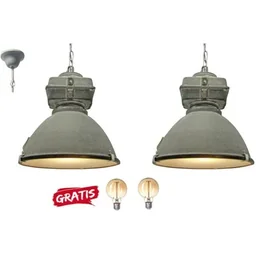
Product examples include the
or the simple industrial pendant light . Both are complete fixtures that you can fit with suitable bulbs.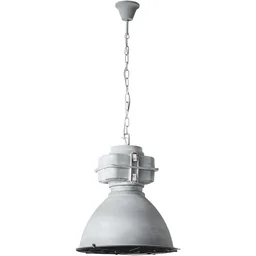
Floor and Table Lamps: Flexible Task Lighting
They are not permanently installed and offer maximum flexibility. A floor lamp brightens a reading nook, while a table lamp lights your desk or nightstand. They direct light exactly where you need it.
The
is a set of complete table lamps that includes shades. All you need to do is insert the bulbs (E14 base).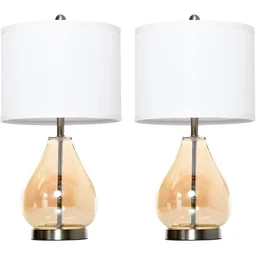
Wall Lights and Spotlights: For Atmosphere and Accents
Wall lights save space and create decorative accents or illuminate mirrors. Spotlights can be rotated and swiveled to direct beams of light precisely at pictures or shelves. They often use special bulbs such as GU10 spotlights.
“Good lighting design starts with the question of function. Form comes second. Separating the fixture from the bulb is the practical foundation of the entire process.”
Different Types of Light Bulbs: Lighting Technology
Light bulbs vary in technology, base type and light quality. Here are the main types.
LED Light Bulbs: The Efficient Standard
LEDs are the top choice today. They are highly energy-efficient, long-lasting and available in a wide range of light colors. Check the lumen rating for brightness (it replaces the old wattage rating) and the color temperature in Kelvin to set the mood.
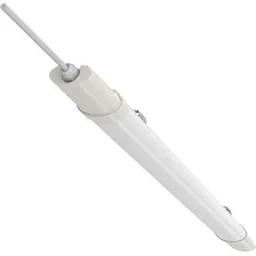
For commercial spaces or workshops, durable LED tube lights such as the model
or . These are complete LED fixtures with non-replaceable light modules.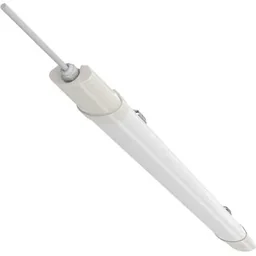
Incandescent and Halogen Bulbs: Warm Light
Classic incandescent bulbs are now hard to find in stores. Halogen bulbs are still available with pin bases (G4, G9) or for spotlights (GU10). They provide bright, color-accurate light, but are less efficient than LEDs. Many existing fixtures are designed for them.
Fluorescent Tubes and Energy-Saving Bulbs
Fluorescent tubes (e.g. T8) are common in garages and basements. Modern LED tubes can replace them directly. Compact fluorescent bulbs were the predecessor to LEDs. They contain mercury and must be disposed of properly.
Additional Advice
When buying a light bulb, check the required base (e.g. E27) and the brightness you want in lumens. An 800-lumen LED replaces a 60W incandescent bulb. For a cozy glow, choose 2700 Kelvin (warm white); for focused work, choose 4000 Kelvin (neutral white).
How to Combine Light Fixtures and Light Bulbs
The right combination brings a room together. Follow these steps.
First, choose your fixtures based on their design and where you plan to install them. Should the pendant light above the table be made of metal or concrete? Are you looking for a playful character lamp for the children's room or a simple ceiling light?
Then use bulbs with the same light color in all your fixtures. A warm-white spotlight next to a cool-white one can make a room feel unbalanced. Keeping the color consistent creates harmony.
Match the bulb's brightness to the fixture's purpose. A ceiling light needs bright bulbs (1000+ lumens). A bedside lamp can work well with 300-500 lumens. A dimmable bulb gives you more control.
Products such as the modern pendant light or the swiveling uplighter are high-quality fixtures that you can customize with your preferred bulbs.
“The bulb is the engine, while the fixture is the bodywork. Both need to work together, and thoughtful placement in the room creates the right atmosphere and functionality.”
Practical Examples from Everyday Life
You’re buying a new floor lamp for the living room. In the store, you find the elegant . That’s the fixture. The description says “max. 1x E27, max. 60W”. So you need an E27 bulb rated for no more than 60W. You choose a dimmable LED bulb with 806 lumens (equivalent to a 60W incandescent bulb) in warm white (2700K).
The recessed spotlight in the kitchen is flickering. You open the fixture and remove a halogen bulb with a GU10 base. Replace it with a dimmable GU10 LED bulb with the same beam angle. Check that it’s compatible with your dimmer.
For the children's room, you’re planning cozy ambient lighting. A mushroom lamp or a distinctive designer light from the special lamps category creates a welcoming foundation. Add a swiveling wall or desk lamp for homework.
Buying Guide: What to Consider
When buying a light fixture, check: Does the style suit your space? Can it be installed there (consider the ceiling and wiring)? Which base type and maximum wattage does it support? Is it dimmable, and is it compatible with LED bulbs?
When buying a light bulb, check: Is the base right (E27, E14, GU10, etc.)? Will the shape fit in the fixture's socket? Is the brightness (lumens) what I want? Do I like the light color (Kelvin)? Is the bulb dimmable if I want to use that feature?
With this knowledge, you can shop with confidence. Invest in durable fixtures and pair them with efficient bulbs that are a good fit. That way, your lighting can do more than brighten a room: it can help make it feel comfortable, too.
Start with general lighting, add flexible task lights and finish with accent lighting. Think of the fixture as the form and the bulb as the light it provides. Your living space will thank you.
Frequently Asked Questions
- Is an LED light fixture the same as an LED bulb?
- No. An LED light fixture is a complete, permanently installed unit with built-in LEDs that cannot be replaced. An LED bulb has a standardized base (such as E27) and can be replaced. The fixture is part of the room’s design, while the bulb is a replaceable item.
- Can I use any bulb in any light fixture?
- No. Check the base type and the fixture’s maximum wattage. Common bases include E27 (large) and E14 (small). Never exceed the fixture’s maximum wattage. Modern LED bulbs use less power while providing the same brightness.
- What do “warm white” and “cool white” mean for light bulbs?
- These terms describe a bulb’s color temperature in Kelvin (K). Warm white (2700-3000K) creates a cozy, candle-like atmosphere. Neutral white (4000K) provides clear, functional light. Daylight white (6500K) has a bluish, invigorating tone. Warm to neutral white is usually best for living spaces.
- Why is my new LED bulb flickering in an old light fixture?
- This is often caused by a transformer or dimmer in the fixture that isn’t compatible with LED technology. Check whether your fixture is suitable for LED bulbs, and use dimmable LED bulbs that are compatible with your dimmer.
- How do I plan the lighting for a room?
- Combine ambient lighting (ceiling light), task lighting (floor lamp, desk lamp) and accent lighting (spotlights, wall light). Choose fixtures for style and function, then select suitable bulbs for consistent brightness and color.