
In brief: Achieve the perfect lighting effect by combining three layers of light: ambient lighting for orientation, accent lighting for atmosphere and task lighting for functionality. Use different light sources and colour temperatures to create depth. Avoid relying on a single, harsh ceiling light. Plan light sources at different heights to reduce shadows and create an inviting atmosphere.
Lighting Design: Tips for Perfect Lighting
Light defines spaces. It directs attention, creates atmosphere and makes functions usable in the first place. The right lighting design can turn four walls into a home and a garden into a relaxing oasis. We show you how to achieve maximum impact with targeted indoor lighting tips and room lighting ideas.
Why is layered lighting so important?
A single ceiling light is not enough. It creates flat lighting and harsh shadows. Professional lighting design works with three layers. Ambient lighting provides safe orientation throughout the room.
Accent lighting highlights key features. It draws attention to artwork, plants or architectural details. Task lighting brightly illuminates specific areas without glare. Think of a reading lamp beside an armchair or under-cabinet lighting in the kitchen.
This combination creates depth and dynamism. You can change the atmosphere depending on the time of day and how the space is used. In the evening, switch on just the accent lighting for a relaxed atmosphere.
Pro tip
Plan light sources at least three different heights: ceiling level, eye level (floor lamps, wall lights) and near floor level (uplights). This reduces harsh shadows and creates a soft, enveloping lighting effect.
How do I choose the right colour temperature?
Colour temperature is measured in Kelvin. Warm white light ranges from 2.700 to 3.300 Kelvin. It feels cosy and relaxing. Use it in the living room, bedroom and above the dining table.
Neutral white (3.300-5.300 K) is suitable for functional areas. In the kitchen, it helps when preparing food. In the bathroom, it supports precise tasks such as shaving or applying makeup. Daylight white (from 5.300 K) should be reserved for workshops or highly focused workspaces.
“Light colour is mood colour. Warm white light signals relaxation and calm to the brain, while cooler light encourages activity and concentration. Never mix colours randomly; use accents deliberately.”
Also pay attention to the colour rendering index (CRI or Ra). A high value above 90 means that colours appear natural and vibrant under this light. This is especially important when using accent lighting for pictures or textiles.
Which light sources and lights are suitable for which purpose?
LEDs are the first choice. They are energy-efficient, long-lasting and produce very little heat. Look for dimmable models so you can adjust the brightness flexibly. Spots with a narrow beam angle are ideal for accent lighting.
They direct the beam precisely onto an object. Floodlights with a wide beam angle illuminate larger areas or walls evenly. In Garden + Outdoor areas, lights must be weatherproof. Pay attention to the IP rating.
IP44 protects against splashing water, while IP67 even allows temporary immersion. For permanent outdoor installations, consult an electrician. You can also find many practical solutions for your home and garden in our shop.
Important note
In outdoor areas, only use lights and light sources with the appropriate IP rating. Sockets for garden lighting must have a residual-current device (RCD). Have installations checked by a qualified professional.
How do I create light accents in a room?
Accents direct attention. Place a floor lamp behind a plant. The light projects its contours onto the wall and creates dramatic shadows. Use LED strips in shelves or cupboards.
They illuminate more than just the contents; they also provide indirect room lighting. Pictures can be showcased perfectly with narrow picture lights. The beam should be slightly wider than the picture itself.
In garden equipment, uplights create accents. They showcase a tree or sculpture from below. Downlights shining down from a branch or awning softly illuminate paths or seating areas.
“The best trick for cosy lighting: indirect lighting. Let the light hit a wall or ceiling before it illuminates the room. This reflection is soft, glare-free and flattering for every face.”
Do not forget mirrors. A light beside or above a mirror doubles its effect and brightens the room effectively. Make sure to avoid glare.
How do I plan lighting for the garden?
Start with safety. Illuminate steps, paths and entrances sufficiently. In-ground lights or bollard lights are the first choice here. For paths, use solar-powered lights that recharge automatically.
Create atmosphere with lighting on the patio or in the garden house. Lanterns, string lights or permanently installed wall lights create a homely seating area. You can also integrate lighting into your garden irrigation or other features.
A product such as the
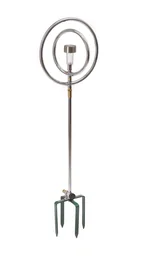
For festive occasions or the Christmas season, inflatable figures with lighting provide quick decorative impact. The
, a 2,4 m inflatable snowman with rotating lighting, creates a highlight in the winter garden.
Additional advice
Test your garden lighting at night before installing it permanently. Go inside and look out of the window. This gives you a guest’s perspective and shows whether light sources cause glare or dark corners remain.
What should you consider when lighting work areas?
Task lighting should be bright and glare-free. The shadow should fall from the opposite side to your writing hand. Under-cabinet lights beneath wall-mounted kitchen units are ideal for illuminating a kitchen worktop.
They light the surface directly without casting your own shadow across it. In a workshop or hobby room, you need bright, even ambient lighting plus a flexible task light for the specific work area.
Also consider mobile work areas such as the BBQ + Smoking. A permanently installed, weatherproof light above the barbecue or a robust torch with a stand is essential for enjoyable evening barbecues.
Reliable power sources and wiring are needed to operate lights and electrical appliances outdoors. Here, business supplies such as suitable cable reels and sockets can play an important role.
How can I use modern lighting controls?
Smart home systems offer maximum flexibility. You can control lights via an app, voice command or timer. Create scenes such as "Movie night" or "Morning routine" that dim or switch several lights at the same time.
Motion sensors save energy and increase convenience. In hallways, along garden paths or in garages, they switch the lights on only when needed. Dimmable lights automatically adjust brightness to the time of day.
Special lighting kits are practical for trailers or mobile applications. The
, a removable 3-chamber lighting kit, is an essential part of tarps + nets and trailer accessories and ensures safety on the road.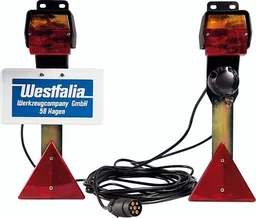
Start with individual smart bulbs in floor lamps. Expand the system gradually. Make sure that products from different manufacturers are compatible.
Lighting design is both a craft and an art. It starts with a clear analysis of how a space is used and ends with the sense of wellbeing that the illuminated room creates. Combine ambient, accent and task lighting. Experiment with warm and cool colour temperatures. Use the height and direction of light sources to create depth. This is how you can transform any room or garden into a perfectly designed oasis of comfort.
Frequently Asked Questions
- Which light colour is suitable for each room?
- Warm white light (2.700-3.300 Kelvin) creates a cosy atmosphere in living rooms and bedrooms. Neutral white (3.300-5.300 Kelvin) is suitable for kitchens and bathrooms because it supports concentrated work. Cool daylight white (from 5.300 Kelvin) should only be used for precision work in workshops or as focused task lighting.
- How many light sources does a room need?
- Plan for at least three different light sources per room. This includes ambient lighting, at least one accent light and a functional light source for specific activities. Several smaller sources distribute the light more softly and prevent the harsh shadows cast by a single ceiling light.
- What is the biggest mistake in lighting design?
- The most common mistake is relying solely on a central ceiling light. It illuminates the room flatly and creates unflattering shadows. Instead, combine different layers of light and place lights at different heights to create depth and atmosphere.
- How can I light my garden effectively?
- Use downlights in the garden to illuminate trees or paths from above, and uplights to showcase plants from below. Use solar-powered lights for paths. For seating areas, choose warm white, glare-free light sources at eye level, such as lanterns or permanently installed wall lights.
- Can lighting make a room look bigger?
- Yes. Indirect light on walls and ceilings makes rooms appear taller. Add accents in the corners of the room to open them up. Avoid strong contrasts. Even, bright ambient lighting combined with targeted wall lights creates a sense of spaciousness.
You might also be interested in
- Indirect lighting: ideas & instructions for your home
- Outdoor lighting as a burglar deterrent: tips for your home
- Garden lighting: how to create an atmospheric setting
- Planning patio lighting: ideas for atmospheric illumination
- Interior design: tips for a harmonious home
- Choosing an LED bulb: tips for making the right choice