
In brief: Our 2026 descaler test shows that liquid concentrates such as Zauber-Kalkknacker are versatile and effective for regular use. For long-term, chemical-free solutions, physical scale inhibitors such as the stainless steel model from HEXI are a good choice. The ideal solution depends on your water hardness, the appliances you need to treat and how much effort you want to put in.
Hard water deposits are a common problem in homes. They not only affect the appearance of faucets and household appliances, but can also significantly reduce their performance and lifespan. In our 2026 descaler test and comparison, we present the best solutions and explain what to look for when buying. We compare chemical and physical methods to make your decision easier.
Table of contents
What types of descalers are available?
Descalers generally fall into two categories: chemical and physical products. Both have advantages and disadvantages, which we compare here.
Chemical descalers
Chemical descalers are usually based on acids such as citric, formic or phosphoric acid. They dissolve mineral deposits through a chemical reaction. These products are particularly effective against stubborn, older hard water stains. You can find them in our range under descalers.
Chemical descalers include:
- Liquid concentrates
- Gel formulas
- Powders and tablets
- Descaling sprays
Tip: Always test chemical descalers on an inconspicuous area first, especially on sensitive surfaces such as natural stone or chrome.
Physical scale inhibitors
Physical scale inhibitors work without chemicals. These include magnetic and electrolysis devices as well as water filters. They change the structure of mineral crystals in the water so they are less likely to settle on surfaces. These systems offer a long-term solution and are environmentally friendly.
Our test criteria in detail
For our descaler test, we tested a range of products under realistic conditions. The following criteria were our main focus.
Effectiveness against hard water deposits
A descaler's most important feature is its cleaning power. We tested how quickly and thoroughly different products remove mineral deposits. Stubborn buildup in kettles and on faucets served as test cases.
Material compatibility
A good descaler should work effectively without damaging surfaces. We tested compatibility with common materials such as stainless steel, chrome, enamel and plastic. We also took seals and sensitive components in household appliances into account.
Ease of use and dosage
Ease of use is essential for regular cleaning. We assessed how easy the products are to measure and apply. Clear instructions and practical packaging play an important role here.
Important: Never exceed the recommended contact time or dosage. Doing so can damage materials and may be hazardous to your health.
Product comparison: The best descalers
In our test, we examined different types of descalers. Here you will find an overview of the products tested and their respective strengths.
Here are the top-rated descalers in our range:
| Model | Customer rating | Availability |
|---|---|---|
| Zauber-Kalkknacker, 500 ml 🏆 Test winner | ★ 5,0 (7) | In stock |
| HEXI scale inhibitor, stainless steel | ★ 4,8 (4) | In stock |
| Cleaning set, 3-piece | – | Currently unavailable |
| Adhesive descaler “Kalk Blitz,” with brush head, 200 ml | – | Currently unavailable |
| Adhesive descaling gel, 125 ml | – | Currently unavailable |
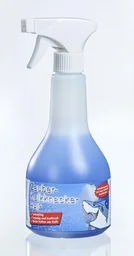
Among the chemical descalers, the versatile stood out. This liquid concentrate is suitable for many household appliances and reliably removes older mineral deposits.
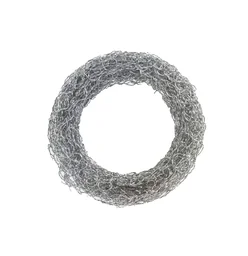
For a chemical-free solution, the is a good option. This stainless steel scale inhibitor is easy to use and works continuously, so you don't need to add more product regularly.
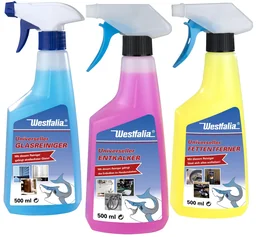
If you want to treat several appliances at once, a set such as the is a practical choice. These sets often offer a cost-effective way to clean throughout your home.
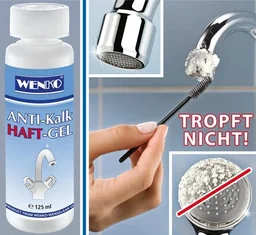
For targeted cleaning, such as in hard-to-reach areas or on shower walls, a specialized adhesive gel such as the proved its worth in our test. It sticks to vertical surfaces, allowing it to stay in place longer.
How to Use a Descaler: Tips and Advice
How well a descaler works depends largely on using it correctly. Follow these step-by-step instructions for different appliances.
Descaling Kettles and Coffee Makers
For a kettle, fill it with the recommended amount of descaling solution and water. Bring the mixture to a boil, then let it sit for about 30 minutes. Rinse thoroughly with clean water.
For coffee makers, use descaling tablets or liquid specifically approved for your appliance. Follow the manufacturer's instructions carefully.
Descaling Dishwashers and Washing Machines
Many modern dishwashers have a descaling cycle. Add the descaler to the designated compartment or directly to the machine, then let the cycle run to completion.
For washing machines, add liquid descaler to the main detergent compartment. Run a hot wash cycle without laundry for best results.
Note: Descale your appliances regularly instead of waiting for heavy buildup. This helps extend their service life and save energy.
Buying Guide: How to Choose the Right Descaler
Choosing the right descaler depends on several factors. These questions can help you find the right product for your needs.
Which appliances do you need to descale?
First, consider which appliances and surfaces you need a descaler for. Liquid all-purpose descalers work well for kettles and coffee makers. Specialty products or tablets are often a better choice for dishwashers and washing machines.
For bathroom faucets and tiles, choose a descaler that clings to vertical surfaces. Gels and spray descalers are ideal.
How hard is your water?
Your local water hardness affects how often you need to descale and which products work best. Check with your local water utility or use test strips from a home improvement or plumbing supply store.
If you have very hard water, concentrated descalers or physical treatment systems may be a good long-term solution. Explore the options in our cleaning products section.
Chemical or physical descaling?
Decide whether you need a chemical solution to remove existing buildup or a physical system to help prevent it. Chemical descalers are generally more effective for deep cleaning, while physical systems are better suited to long-term prevention.
Can You Use Home Remedies Instead?
Many households rely on tried-and-true home remedies such as vinegar or citric acid. They can be effective, but they also have drawbacks.
Vinegar removes mineral deposits reliably, but its odor can be difficult to rinse away. It can also damage some materials, including aluminum and natural stone.
Citric acid has less odor and is more environmentally friendly. It works especially well for kettles and coffee makers, but is often less effective than specialty descalers on stubborn buildup.
Whether you choose a home remedy or a specialty product depends on your needs. Browse our household category for an overview of different cleaning products.
Prevent Mineral Buildup Instead of Removing It
The best way to deal with mineral buildup is to prevent it. These steps can help stop deposits from forming.
Regular Care
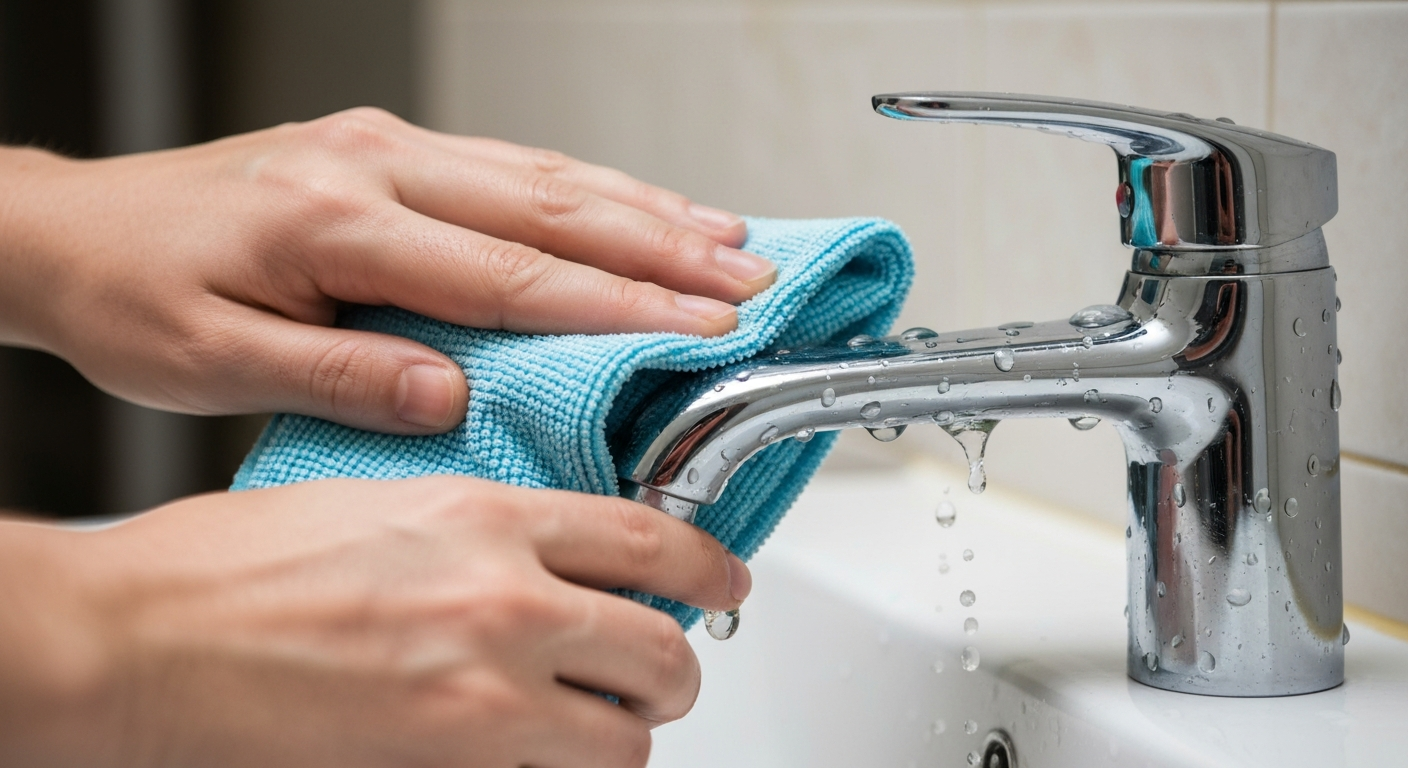
After use, dry faucets and shower walls with a squeegee or cloth. This helps prevent mineral deposits from forming. For household appliances, set a regular descaling schedule before buildup becomes visible.
Water Softening Systems
If your household has very hard water, a water softening system may be a worthwhile investment. It reduces mineral content before the water is used, helping protect appliances and pipes. The system can pay for itself through lower cleaning product costs and longer appliance life.
Choose the Right Temperature
Mineral deposits form especially quickly at high temperatures. When possible, use lower temperatures in your washing machine and dishwasher. Modern appliances and detergents can still deliver excellent results at lower temperatures.
With a combination of preventive steps and effective descalers, you can keep appliances and surfaces free of mineral buildup for longer. Choose a solution that fits your routine and household.
Frequently Asked Questions
- How often should you use a descaler?
- How often you need to descale depends on your water hardness and how frequently you use your appliances. If you have moderately hard water, we recommend descaling kettles and coffee makers every 4-6 weeks. Dishwashers and washing machines generally need descaling every 1-2 months, depending on the manufacturer's instructions.
- Do physical descalers really work?
- Physical descalers, such as magnetic or stainless steel devices, may reduce mineral buildup by affecting crystal formation. However, they do not remove existing deposits. For stubborn, older buildup, they are generally less effective than chemical descalers.
- Can I use vinegar or citric acid to remove mineral deposits?
- Yes, home remedies such as vinegar or citric acid work for many applications. However, check that they are safe for the material you are treating. These acids can damage some appliances, especially those with seals or aluminum parts. Always check the manufacturer's instructions.
- What's the difference between liquid and solid descalers?
- Liquid descalers are usually concentrates that you measure and add directly. They work quickly and are suitable for many surfaces. Solid descalers, such as tablets or powders, are often made for specific appliances, such as dishwashers, and offer convenient, premeasured doses.
- Can descaling too often damage my appliances?
- When used and measured correctly, regular descaling will not damage your appliances. In fact, mineral buildup can reduce performance, increase energy use, and damage appliances over time. Proper descaling helps protect your investment.
You may also be interested in
- Mold Remover Test & Comparison 2026
- Steam Mop Test & Comparison 2026: The Best Models Reviewed
- Grout Cleaner Test & Comparison 2026: The Best Products Reviewed
- Pressure Washer Test & Comparison 2026
- Ash Vacuum Test & Comparison 2026: The Best Models Reviewed
- Juicer Test & Comparison 2026: The Best Appliances Reviewed