
In brief: A low-maintenance garden comes from smart planning and choosing undemanding plants. Avoid large lawns and opt for perennials, shrubs and ground cover plants. Automatic irrigation and mulch save additional time. The result is a relaxing garden that invites you to enjoy it rather than demanding constant work.
Low-Maintenance Garden: A Beautiful Oasis with Less Effort
You want a garden to relax in, not work in. A low-maintenance garden makes exactly that possible. With the right garden planning and plant selection, you can create a green oasis that takes very little time to maintain.
The key is to avoid labour-intensive features and choose smart alternatives. We show you how to transform your garden into a relaxing space.
How do I plan a low-maintenance garden?
You lay the foundations for a relaxing garden during the planning stage. Think in terms of large, clear areas rather than lots of small beds. Every corner and edge means more maintenance later.
Incorporate practical solutions from the outset. A water connection close to the garden reduces the distance you have to carry things. Wide, paved paths make it easier to work and store materials.
The greatest time savings come not from more technology, but from having less area to maintain. A clear layout is half the battle.
Consider which areas of the garden you will actually use. Leave out unused lawns and elaborate flower beds. Choose permanent features such as shrubs, perennials and ground cover plants.
Choosing the right materials
Durable materials save work in the long term. Patios made from concrete slabs or natural stone are more robust than wood, which needs oiling. A gravel area requires virtually no maintenance and also suppresses weeds.
Pro tip
Always lay a robust garden fleece beneath gravel or bark mulch. It prevents weeds from growing up from below while still allowing water to pass through.
For privacy and structure, evergreen hedges made from privet or cherry laurel are a good choice. They tolerate pruning well and provide dense cover. Modern privacy screens made from metal or plastic require even less work.
Which plants need little maintenance?
Your choice of plants determines how much work you will have to do. Choose robust, native perennials and shrubs. They are adapted to our climate, cope better with drought and are less susceptible to disease.
Perennials such as cranesbill, lady's mantle and catmint establish quickly. They flower reliably and only need cutting back in spring. Combine them with grasses for a natural, informal look.
Ground cover plants are the heroes of a low-maintenance garden. Plants such as barrenwort, goldenstar and ivy form dense carpets. Weeds have no chance beneath them. Once established, they never need watering or cutting back.
Shrubs give the garden structure and are extremely easy to maintain. A beautiful ornamental apple, Japanese maple or dwarf pine needs very little pruning. They simply stand there and look good all year round.
Avoid short-lived summer flowers. They have to be replanted, fertilised and watered every year. Invest instead in long-lasting perennials that return year after year.
Low-maintenance alternatives to a lawn
A perfect lawn is the biggest time drain in the garden. It needs mowing, fertilising, scarifying and watering every week. Reduce the lawn area to what you really need.
A lawn is ideal for play areas or places to lie down. For purely decorative areas, there are better options. A flowering lawn with clover and daisies needs mowing less often and benefits insects.
Gravel gardens, perennial beds and spacious patios require even less work. Plan these areas generously from the outset. You will not regret it.
Important note
Ground cover plants need time to become established. During the first one to two years, you will still need to keep the area free of weeds. After that, the plants will do this work for you.
How can I save time when watering and weeding?
Watering and weed control are the most common garden tasks. With clever systems, you can reduce this work to a minimum.
Automatic irrigation is the best investment for more free time. A drip system delivering water directly to the roots saves water and time. You can find suitable components in our garden irrigation category.
Mulching is the easiest trick for preventing weeds. A layer of bark mulch, gravel or crushed stone on the beds suppresses emerging weeds. The soil dries out less quickly, so you need to water less often.
Weed regularly, but do not aim for perfection. A few wild plants do no harm. Once a week, go through the garden with a sharp tool. The
is ideal here as an all-rounder.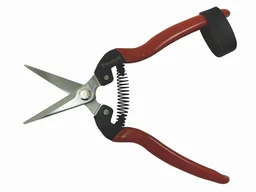
The right tools for quick gardening
Good tools make every job easier and faster. Sharp secateurs, a sturdy spade and a well-fitting shovel are essential. Protect your knees while working with comfortable
.
Store your tools somewhere dry and within easy reach. A small garden shed or a sturdy box near your workspace saves time spent searching. Keep the blades of all your tools sharp. Blunt blades require more effort and crush plants.
Additional advice
Plan a central water connection with a garden hose and a water butt. This keeps water close at hand, so you do not have to carry it far.
Low-maintenance design ideas for different areas
Every area of the garden has its own requirements. With the right ideas, you can make even shady corners or front gardens easy to maintain.
The relaxed front garden
Your front garden should look inviting while requiring little work. Choose evergreen structure. A shapely specimen plant such as a columnar yew, surrounded by gravel and a few hardy grasses, creates a modern, uncluttered look.
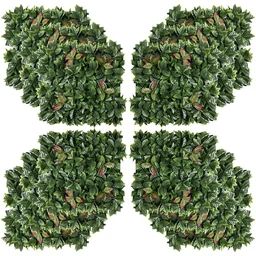
Avoid small hedges that require laborious trimming. For privacy from your neighbours, you can also use a
The shady garden area
Shade is no problem for a low-maintenance garden. Many hardy plants thrive here. Hostas in different leaf colours and shapes, ferns and barrenwort create dense green carpets.
Under trees, where hardly anything grows, a layer of bark compost is the best solution. It protects the tree roots and looks neat. Add a few stepping stones and you have a low-maintenance path.
Careful garden planning is the key to success. Start by taking stock. Which areas currently require the most work? Can you reduce these areas or plant them differently?
Invest time in preparation. Thoroughly removing weeds before planting and preparing the soil properly will pay off for years to come. After that, you can sit back and enjoy your relaxing garden. For more inspiration and suitable products, browse our range of Garden + Outdoor.
Frequently asked questions
- Which plants are particularly easy to care for in the garden?
- Choose hardy native perennials such as lady's mantle, cranesbill or stonecrop. Evergreen shrubs such as boxwood or cherry laurel need little pruning. Ground cover plants such as ivy or barrenwort suppress weeds naturally.
- How can I reduce the lawn for a low-maintenance garden?
- Reduce the lawn area in favour of beds with perennials or gravel areas. Use a robotic lawn mower for the remaining lawn. A flower lawn with clover and daisies needs mowing less often.
- Is a low-maintenance garden also good for insects?
- Yes, very much so. Many undemanding perennials such as lavender, sage or coneflower are excellent sources of food for bees. A natural garden with native plants provides more food and habitat than a sterile ornamental lawn.
- Which garden materials save the most work?
- Mulch fabric or bark mulch suppress weeds. Drip irrigation saves time spent watering. Durable, sharp garden tools make the few necessary jobs easier.
- Can I create a low-maintenance garden in the shade?
- Absolutely. Hardy plants such as hostas, ferns, barrenwort or ivy are suitable for shady areas. They need little light and form dense carpets that leave weeds with little chance to grow.
Ergänzung: Pflegeleichter Garten: Schöne Gestaltung mit wenig Aufwand
Eine klare Grundstruktur erleichtert die Gestaltung und reduziert den Pflegeaufwand. Wiederkehrende Formen, wenige abgestimmte Farben und dauerhaft attraktive Materialien sorgen für ein ruhiges Gesamtbild. Wege aus Naturstein, Kies oder Rindenmulch schaffen Ordnung und verringern gleichzeitig die Fläche, die regelmäßig gepflegt werden muss.
Bei der Pflanzenauswahl sind robuste, standortgerechte Arten besonders geeignet. Sie kommen nach dem Anwachsen meist mit wenig Wasser aus und bleiben durch unterschiedliche Blütezeiten über viele Monate interessant. Immergrüne Sträucher, Ziergräser und pflegeleichte Stauden geben dem Garten auch außerhalb der Hauptblüte Struktur.
- Beete mit klaren Rändern anlegen
- Langsam wachsende Pflanzen bevorzugen
- Freie Flächen mit Mulch vor Unkraut schützen
You may also be interested in
- Low-maintenance vegetable garden: little effort, a bountiful harvest
- How to create a low-maintenance front garden: tips for less work
- Modern garden design: how can I create a minimalist, low-maintenance garden?
- Low-maintenance trees: less work, more greenery in the garden
- Low-maintenance houseplants: green oases with no effort
- Hardy plants: your route to a low-maintenance dream garden