
In brief: Add wild herbs such as ground elder or ground ivy, grated roots such as parsnip or beet, and spices such as juniper berries or coriander seeds to homemade sauerkraut. These ingredients develop complex flavors during fermentation and add nutrients. Use only clean, untreated ingredients, and aim for a salt-to-vegetable ratio of around 2%.
Make sauerkraut: Why use unusual ingredients?
Traditional sauerkraut is made with white cabbage, salt and time. Add wild herbs, roots or unusual spices, and you can turn fermentation into a culinary experiment.
These ingredients add nutrients and create distinctive flavor combinations. The basic process stays the same: lactic acid bacteria preserve the vegetables. The flavor possibilities are endless.
With these DIY food-preserving tips, you can become more self-sufficient and make use of what your garden or the outdoors has to offer. Find useful harvesting accessories in the Garden + Outdoor section.
How do you prepare the base for your sauerkraut recipe?
Start with firm, fresh white cabbage. Remove the outer leaves and core, then shred or finely slice the cabbage. A mandoline makes evenly cut strips.
Thoroughly mix the cabbage with salt. Use 15 to 25 grams of salt per kilogram of cabbage. Knead the mixture for several minutes, until it releases plenty of brine. This liquid is essential.
Now you can mix in your unusual ingredients. Add them gradually so you keep the salt ratio balanced. Products such as trade supplies offer handy tools for preparation.
Important note
Only gather wild herbs if you can identify them with certainty. Avoid roadsides, dog-walking areas and fields that may have been sprayed. Wash everything thoroughly, but avoid hot water.
Which wild herbs can you use in sauerkraut?
Ground elder is a classic addition. It has a savory, parsley-like flavor and contains minerals. Use the young leaves and stems. A handful per kilogram of cabbage is enough.
Ground ivy adds earthy, slightly bitter notes, and its blue flowers are eye-catching. Nettle seeds have a nutty flavor. Gather them in late summer.
Dandelion leaves, yarrow and sorrel are other options. Each adds distinctive acidity and bitter compounds that may support digestion.
Wild herbs are nature’s flavor enhancers. Their plant compounds often have antioxidant properties and add variety to the microbes in fermented foods.
For gathering and preparing herbs, find sturdy containers in our garden tools category.
How do you incorporate roots and other vegetables?
Beet turns sauerkraut a vivid pink. Grate it finely for a slightly sweet, earthy flavor. Parsnip or parsley root adds mild, creamy notes.
Carrots add sweetness and beta-carotene, while celery brings a savory flavor. You can also try grated Jerusalem artichoke or salsify. Their firm texture makes these roots well suited to fermentation.
Finely chop or grate all the ingredients so their flavors distribute evenly. Larger pieces ferment more slowly and can disrupt the process.
Pro tip
Before adding spices such as juniper berries, coriander seeds or peppercorns, briefly toast them in a dry skillet. This brings out their essential oils. During fermentation, they release their flavor gradually.
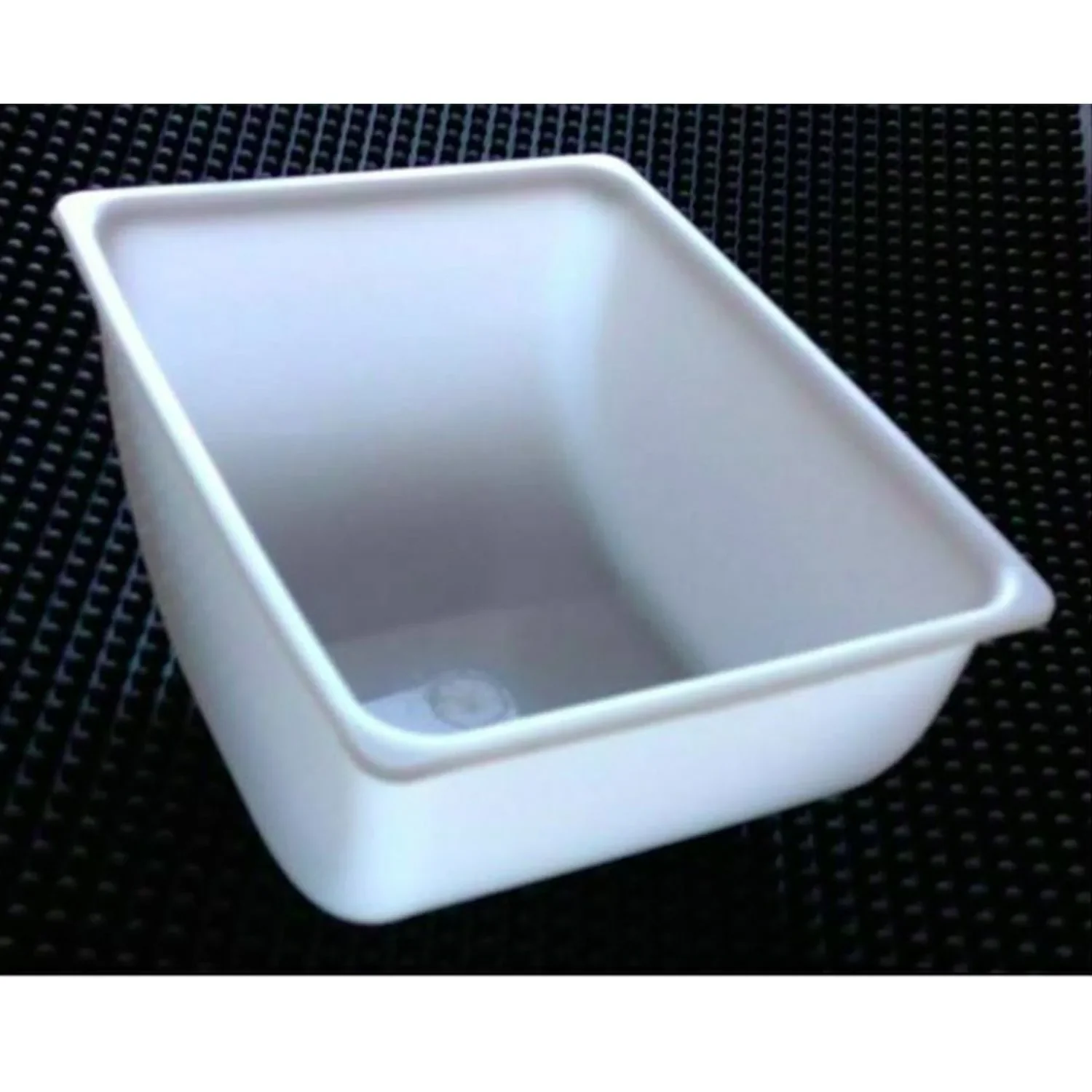
For cutting and portioning, practical storage solutions such as the
or the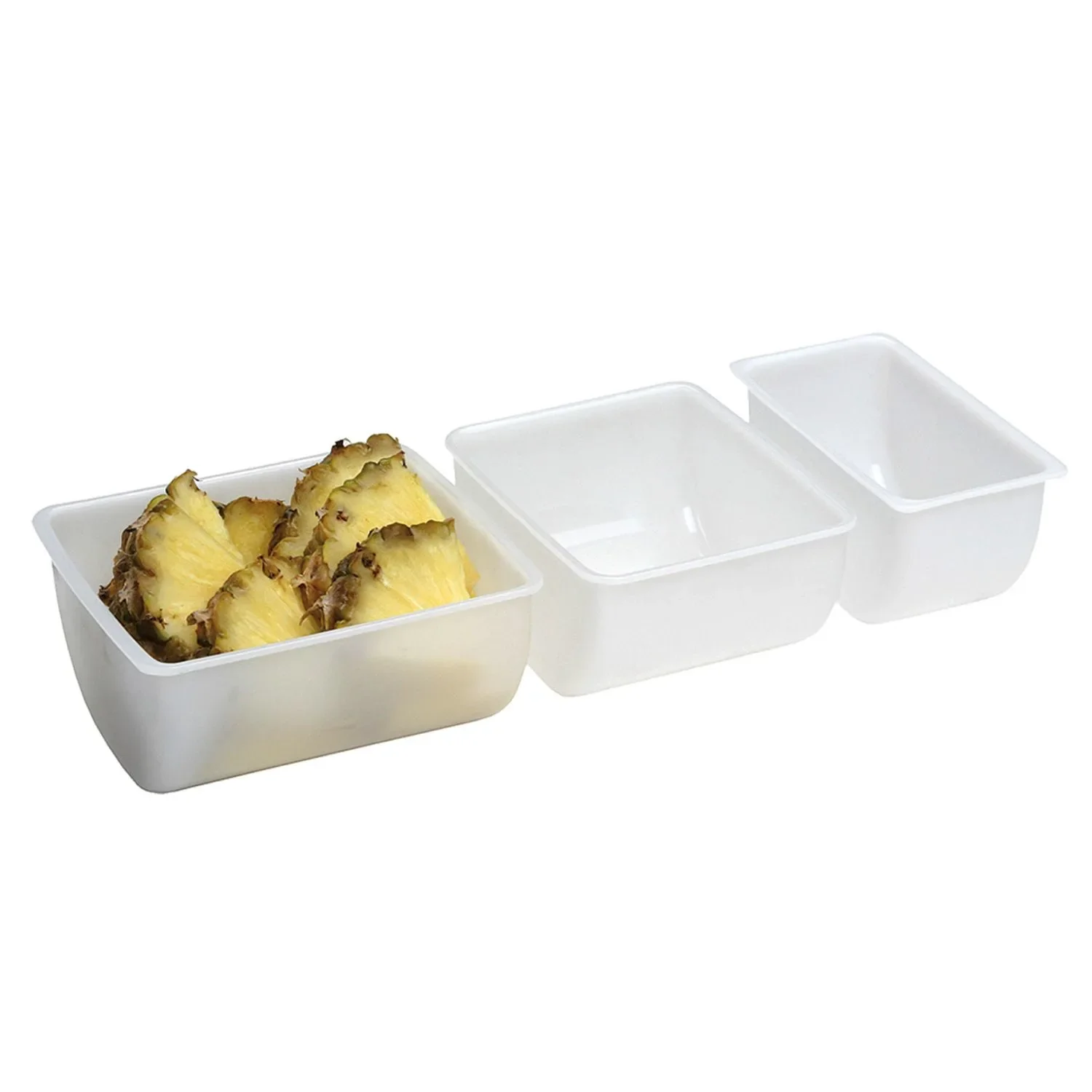
Which spices go well with fermented cabbage?
Juniper berries are a classic choice and pair well with game. Lightly crush a few berries before adding them to the cabbage to release their resinous flavor.
Coriander seeds add warm, citrusy notes, while mustard seeds bring a little heat. Experiment with bay leaves or dried dill. You can also add fresh herbs such as dill tips.
Avoid strongly flavored ground spices such as pepper. They can cloud the brine. Whole spices are usually the better choice.
Fermentation changes the flavor of spices. Heat becomes rounder and intense notes mellow. Always test small batches first. A teaspoon of caraway can dominate an entire pot.
How exactly does the preserving process work?
Pack the cabbage mixture firmly into a fermentation vessel. Press down each layer until brine rises. Everything must be covered with liquid. Oxygen is the enemy.
Weigh down the cabbage with a clean stone, small plate or fermentation weight. Cover the vessel with a cloth or a lid fitted with an airlock.
Leave it at 18°C to 22°C. Bubbles should start rising after a few days. That’s a good sign: the lactic acid bacteria are at work.
Additional advice
For the first few days, check daily that the cabbage remains below the brine. If necessary, gently press it down. Use a clean spoon to remove any white film of yeast (kahm yeast). It’s harmless, but it can affect the flavor.
For storage during and after fermentation, well-designed systems such as the
are ideal. Its six inserts keep spices and ingredients organized.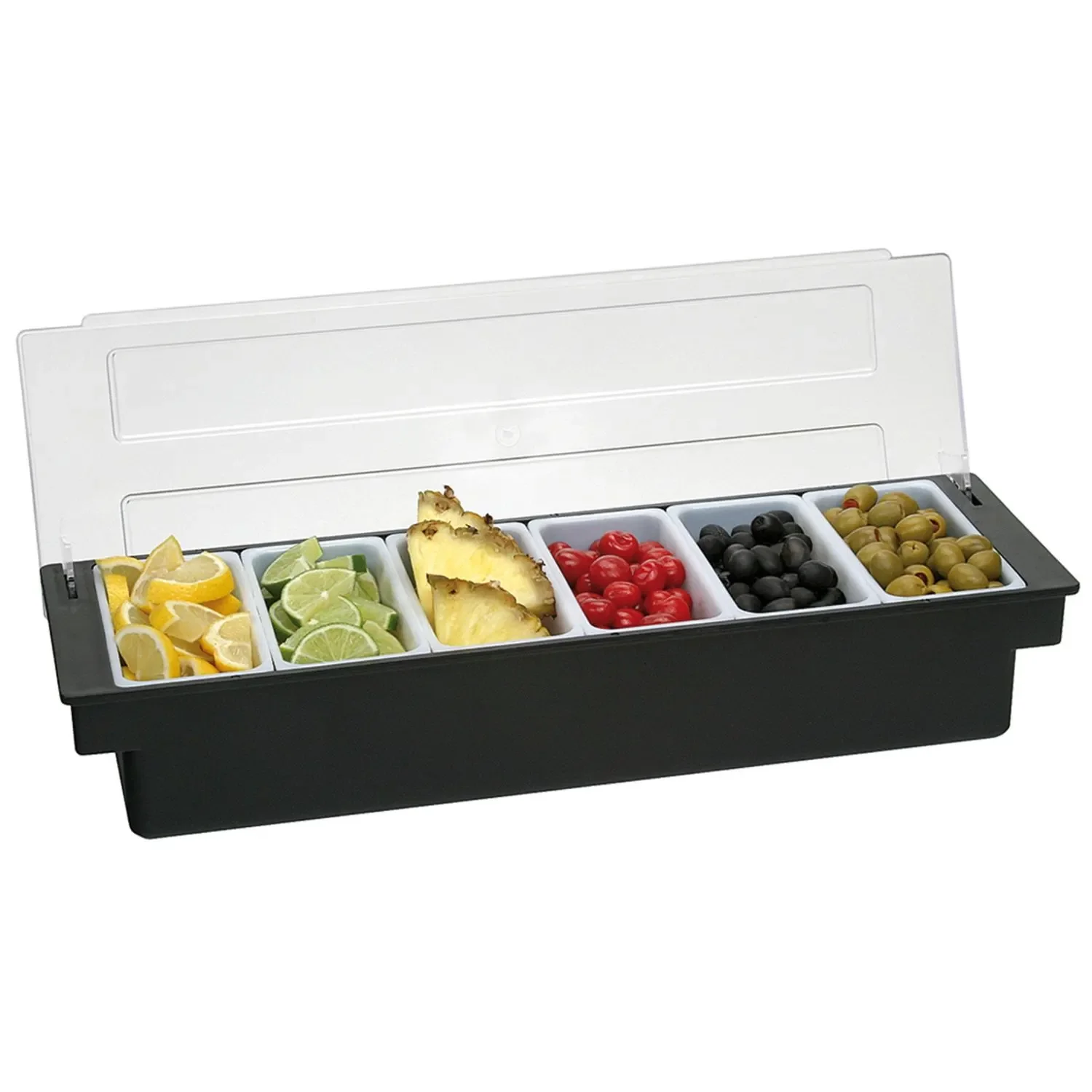
How long should you ferment the sauerkraut, and how should you store it?
Active fermentation takes around four to six weeks. Taste the sauerkraut for the first time after two weeks. Its flavor will develop from mild to intensely sour.
Once it reaches the acidity you like, move the container to a cool place. A cellar, garage or refrigerator will slow fermentation almost to a stop, helping preserve the flavor you want.
Properly fermented sauerkraut keeps for months. The key is to keep oxygen out. Open the storage container only briefly when you remove a portion.
Find everything you need to store your supplies in the BBQ + Smoking category. Food preservation plays an important role there, too.
What are the most common mistakes, and how can you avoid them?
Too little salt makes sauerkraut soft and slimy, and mold may develop. Too much salt inhibits beneficial bacteria, so the cabbage stays sweet and doesn’t ferment.
If you don’t press the cabbage down firmly enough, too much oxygen remains in the mixture. Kahm yeast or mold may form. Don’t fill the container all the way to the top—the brine needs room to rise.
Don’t use iodized table salt. Iodine can inhibit the bacterial cultures. Sea salt, rock salt, or additive-free unrefined salt are the best choices.
With the right know-how and a little patience, you can make a living food that tastes more intense than any store-bought product. You control every step.
Preserving food at home connects you with time-honored techniques and turns your harvest into a supply of food to enjoy later. Start your next fermentation project with ingredients from nature.
Frequently asked questions
- Which wild herbs can you add to sauerkraut?
- You can use ground elder, ground ivy, young dandelion leaves, yarrow, or sorrel. Collect them away from roads and dog-walking routes. Wild herbs should be fresh and clean, and added in small quantities (about one handful per kilogram of cabbage). They add mineral-rich, aromatic notes.
- How long does homemade sauerkraut take to ferment?
- The main fermentation at room temperature takes around 4 to 6 weeks. After that, store the sauerkraut in a cool place to slow fermentation. The longer it sits, the sourer it becomes. Taste it for the first time after 2 weeks. For milder sauerkraut, you can move it to the refrigerator after just 3 weeks.
- Can you make sauerkraut without a special fermentation crock?
- Yes, you can use a clean, large canning jar. Weigh down the cabbage with a small, clean plate or a glass filled with water. The important thing is to keep everything beneath the brine. A fermentation crock or a special fermentation vessel with a water seal makes the process easier and helps prevent mistakes.
- Why isn’t my sauerkraut getting sour?
- Possible causes include too little salt, temperatures that are too low, or exposure to oxygen. Use a salt ratio of 1,5% to 2,5% of the vegetable weight. The ideal fermentation temperature is between 18°C and 22°C. Make sure the cabbage is always completely covered with brine.
- Which unusual vegetables can you ferment with sauerkraut?
- Try grated beets for color, parsnips or Jerusalem artichokes for sweetness, or thin strips of carrots and celery. Cauliflower florets and finely chopped fennel also work well. Cut the pieces small enough for the brine to penetrate. Replace no more than 30% of the white cabbage.
You may also be interested in
- Make sauerkraut yourself: A step-by-step fermentation guide
- Fermenting vegetables: An introduction to food preservation
- Fermenting garlic: How to preserve it
- Pickling pumpkin: Delicious recipes for preserving it
- Sustainable alternatives to kitchen sponges: Easy DIY solutions
- Identifying and collecting wild herbs: A guide to nature's treasures