
In brief: You can make effective cold remedy tea yourself by combining dried or fresh medicinal herbs such as thyme, sage, linden flowers and elderflowers. The right preparation is crucial: leaves and flowers are infused by pouring hot water over them, while harder plant parts such as roots need to be decocted. This releases the essential oils and active compounds that loosen mucus, soothe sore throats and support the body's defences.
Make Your Own Cold Remedy Tea: Using Herbs Correctly
A scratchy throat, a runny nose and aching limbs – the cold season catches almost everyone. Instead of reaching for conventional medicines, many people turn to the power of nature. Homemade cold remedy tea made from medicinal herbs does more than simply relieve symptoms. It warms you from within, supplies your body with fluids and harnesses the concentrated power of plants.
The advantage is that you know exactly what it contains. You can tailor the blend to your needs. And with herbs from your own garden or responsibly gathered, you can combine natural medicine with a little independence. This article guides you through the world of medicinal herbs. You will learn which plants are effective. You will also discover how to harvest and prepare them to make a powerful home remedy.
Why Do Medicinal Herbs Help with Colds?
Plants developed secondary plant compounds over the course of evolution. These substances protect plants from pests and disease. Many of them have healing effects in the human body. Three groups are particularly important when you have a cold.
Essential oils often have antiseptic and antimicrobial properties. They fight pathogens directly in the airways. They also help loosen stubborn mucus. Flavonoids and tannins support the immune system. They have anti-inflammatory effects and may inhibit viruses. Mucilage forms a soothing film over irritated mucous membranes in the throat and pharynx.
The art of herbal medicine lies in combining herbs carefully. A single plant can rarely provide all the desired effects. A well-planned blend, on the other hand, works synergistically. Its ingredients enhance one another's effects.
The complexity of an herbal blend is often its greatest advantage. While an isolated active compound has only one point of action, a whole plant profile addresses several symptoms and causes at the same time.
The Most Important Medicinal Herbs for Your Cold Remedy Tea
Not every fragrant plant is suitable for the cold season. These classics have proved their worth over generations. They are easy to obtain and safe to use.
Thyme: The Mucus Loosener
Thyme is perhaps the most important herb for a productive cough. Its essential oils, especially thymol, have a powerful antibacterial and antispasmodic effect on the bronchi. They thin thick mucus and make it easier to cough up. Drink thyme tea at the first signs of bronchitis.
Sage: The Throat Soother
Sage is hard to beat for sore throats and hoarseness. Its tannins contract inflamed mucous membranes. This can provide immediate relief from pain. Sage's essential oils also have disinfectant properties. Gargling with cooled sage tea can effectively soothe a sore throat.
Linden Flowers & Elderflowers: Sweat-Inducing Herbs
These flowers are the first choice when you begin to feel chills or develop a fever. They stimulate sweating. This effect helps the body sweat out pathogens and regulate its temperature. A hot infusion of linden flowers is also calming and can ease headaches.
Pro tip
Harvest flowers such as linden flowers on a dry morning after the dew has dried. This is when their essential oil content is highest. Use clean scissors and collect only flawless, undamaged flowers.
Ribwort Plantain: The Cough Suppressant
Ribwort plantain often grows unnoticed along roadsides and paths. Its mucilage forms a soothing film over irritated airways. This suppresses a dry, troublesome cough. It also has anti-inflammatory properties and supports healing in the throat.
Rosehip Shells: A Source of Vitamin C
Rosehips are packed with vitamin C. This supports the body's defences and may shorten the duration of a cold. For tea, use the dried shells without the inner seeds. They give the tea a fruity tang and a beautiful red colour.
How Do I Prepare Herbs for Making Tea?
Proper preparation determines how effective your tea will be. Fresh herbs require a different dosage from dried ones. Hard roots need different preparation from delicate flowers.
Should You Harvest or Buy Herbs?
The best option is your own garden or balcony. This way, you know exactly what goes into your tea. Many medicinal herbs, such as thyme, sage and mint, grow easily in pots. A balcony herb planter provides ideal conditions.


If you gather herbs, do so only when you can identify the plant with certainty. Avoid busy roadsides and fertilised fields. If in doubt, buy dried herbs from a pharmacy, health food shop or specialist herbal shop.
Drying and Storing
Drying is essential for storing herbs. Tie small bunches and hang them upside down in an airy, dark place. An attic or pantry is ideal. The herbs are ready when they rustle and the leaves come away from the stems easily.
Then remove the leaves from the stems. Store the whole leaves or flowers in dark screw-top jars. Only crush the herbs immediately before making tea. This helps preserve more of the essential oils.
Important note
Wild medicinal herbs can be mistaken for other plants. Identify every plant using a reliable reference book or app. When in doubt, leave it alone! Always consult a doctor if you have a serious illness. Homemade tea is a supportive home remedy, not a substitute for medical treatment.
The Art of Brewing: How to Get the Most Out of Your Herbs
Pouring hot water over herbs sounds simple. But the temperature and steeping time are crucial for success. The wrong infusion can destroy the active ingredients.
The Infusion for Leaves and Flowers
Most of our cold and flu herbs are made from leaves or flowers. Here, you use the infusion method. Pour around 250 ml of freshly boiled water over one to two teaspoons of chopped herbs. Cover the cup or pot. This prevents the volatile essential oils from escaping.
Now let the tea steep for 8 to 10 minutes. This longer time is necessary to release not only the flavour compounds but also the beneficial tannins and mucilage. Strain the tea afterwards. Drink it as hot as possible, in small sips.
Many people make the mistake of steeping herbal tea for just three minutes, like black tea. That is too short for medicinal herbs. Only after at least seven minutes are enough tannins and mucilage released to produce a noticeable effect.
The Decoction for Roots and Bark
Harder plant parts such as chopped rosehip shells or ginger roots do not release their active ingredients as easily. This is where you need a decoction. Place the herbs in a pot of cold water. Bring the water slowly to the boil. Then let it simmer gently for 10 to 15 minutes.
Only then remove the pot from the heat and leave the decoction covered for another 10 minutes. This method is more intensive and also extracts heat-stable active ingredients. You can also combine an infusion and a decoction. Boil the rosehips first. Then pour this decoction over the delicate lime flowers and thyme leaves.
Additional advice
Honey is more than just a sweetener. It also has a mild antibacterial effect and soothes the mucous membranes. Add a teaspoon of good-quality honey only after the tea has cooled (below 40°C). This preserves its own enzymatic and beneficial properties.
Recipes for Effective Cold and Flu Teas
Here are three tried-and-tested blends for different stages of a cold. The quantities are for dried herbs. If using fresh herbs, double the amount.
1. The Sweat-Inducing Blend for the First Signs
This blend helps you sweat out a cold when you feel chilled and have aching limbs.
• 40 g lime flowers
• 30 g elderflowers
• 20 g rosehip shells (lightly chopped)
• 10 g chamomile flowers (for a soothing effect)
Mix all the ingredients well. Use 1-2 tbsp of the blend per cup and prepare it as an infusion (flowers) or a short decoction (rosehips).
2. The Chest-Clearing Blend for Coughs
This blend is useful for stubborn mucus and a barking cough.
• 50 g thyme herb
• 30 g ribwort plantain leaves
• 20 g liquorice root (use sparingly, as it is highly effective!)
Mix the herbs together. For one cup, pour boiling water over 1 tsp of thyme/ribwort plantain. Simmer the liquorice root separately for 5 minutes and add the decoction to the infusion. Do not drink for longer than 1 week at a time.
3. The Soothing Blend for Sore Throats
This gargling and drinking tea relieves sore throats and hoarseness.
• 60 g sage leaves
• 30 g mallow flowers (or leaves)
• 10 g cloves (2-3, crushed)
Mix everything together. Pour boiling water over 2 tsp and leave to steep for 10 minutes. Allow it to cool before gargling, or enjoy it warm as a drink. Cloves have a local anaesthetic and antiseptic effect.
How to Grow Your Own Medicinal Herbs
A sustainable supply starts in your own garden or on your balcony. Most medicinal herbs are undemanding and rewarding plants.
Thyme and sage need a sunny, rather dry spot with well-drained soil. They are perennials and become woody over time. Lime flowers and elderflowers come from woody plants that are suitable for larger gardens. Ribwort plantain and chamomile often self-seed if you leave them some space.
Care requirements are minimal. Avoid nitrogen-rich fertilisers. Although they make plants grow lushly, they often reduce the essential oil content. A poor, sunny location makes the herbs more potent. Harvest regularly to encourage growth. However, never cut off more than one third of the plant at a time.
More Tried-and-Tested Natural Home Remedies
There are other traditional applications besides teas. A tried-and-tested all-purpose home remedy is an oil extract with essential oils.
It can be used in many ways, for example to scent a room or for external application to tension, which often accompanies a cold.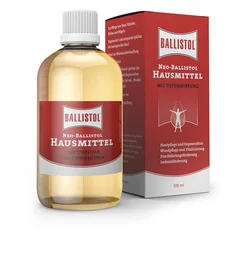
A classic steam bath moisturises dry mucous membranes and carries active ingredients directly into the airways. Add a handful of thyme or 2-3 drops of essential eucalyptus oil to a bowl of hot water. Lean over it with a towel over your head and inhale the steam for 10 minutes. This loosens stubborn mucus in the nose and sinuses.
Do not forget the power of rest. An effective tea works best when you give your body the recovery it needs. Combine drinking it with warmth, sleep and plenty of fluids in the form of water or broth.
Returning to medicinal herbs connects us with ancient knowledge. Homemade cold remedy tea is more than a drink. It is a conscious act of self-care. With the right herbs, proper preparation and a little patience, you can become your own herbal expert. Your immune system will thank you.
Frequently asked questions
- Which herbs help loosen mucus when coughing?
- Thyme and ribwort plantain are the best expectorant herbs for a chesty cough. Thyme contains essential oils that thin mucus. Ribwort plantain forms a protective film over irritated mucous membranes. Brewed as tea, both soothe the urge to cough and make it easier to bring up mucus.
- How do I dry herbs properly for tea?
- Bundle clean, dry herbs loosely and hang them upside down in an airy, dark and warm place. An attic or pantry is ideal. Avoid direct sunlight, as it destroys the essential oils. The herbs are fully dried when they rustle and the leaves crumble easily.
- Can I drink homemade cold remedy tea during pregnancy?
- Caution is advised. Many potent medicinal herbs, such as sage, large amounts of thyme or liquorice root, are not always suitable during pregnancy. Always consult a doctor or midwife before using them. Fennel, chamomile and lime blossom are safe in moderation.
- How long does homemade herbal tea keep?
- When stored in screw-top jars in a dark, cool and airtight place, dried herbs retain their potency for about a year. Loose leaves and flowers stay potent for longer than already crushed blends. Always check the smell and colour before use. A musty smell or mould means it should be thrown away.
- Can I use fresh herbs directly for tea?
- Yes, fresh herbs are ideal. Use about twice the amount compared with dried herbs, as they contain more water. Lightly chop the fresh leaves or flowers so the active ingredients dissolve more easily. The tea should then steep for only 5-7 minutes, as freshly brewed tea has a more intense flavour.
You might also like
- Naturally relieve a cold: Medicinal herbs from the garden
- Grow and prepare your own herbal tea
- Make your own thyme cough syrup: Natural relief for colds
- Build a raised herb bed: Instructions, filling & best herbs
- Identify and collect wild herbs: A guide to nature's treasures
- Create a herb garden: Fragrant variety for balcony & garden