
In brief: Matte kitchen fronts offer a timeless, modern appearance and effectively conceal fingerprints and minor scratches. They require specific care: use only mild, acid-free cleaners and soft microfiber cloths. Harsh abrasive cleaners or sponges will damage the matte surface. Proper care preserves the sophisticated look for years.
Matte Kitchen Cabinets: Modern Design & Care Tips
Matte surfaces shape today’s kitchen design. They radiate calm and elegance. However, their distinctive character requires specific care knowledge. This article explains the benefits and provides clear instructions.
What makes matte kitchen fronts so special?
Matte fronts create a velvety, deep texture. They do not reflect direct light. This prevents distracting reflections and glare.
The surface feels pleasant to the touch. It looks warmer and more natural than cool high-gloss finishes. This look is perfect for Scandinavian design and urban loft concepts.
Matte surfaces are the perfect canvas for a personal kitchen. They recede into the background, allowing materials such as wood, stone, or metal to take center stage.
They also impress with their practical durability. Fingerprints and dust are barely visible. Minor scratches are concealed better than on glossy surfaces.
How do I clean matte surfaces correctly?
Incorrect cleaning can ruin the matte look. It leaves scratches or unattractive streaks. The right method is simple once you know the basic rules.
Always start by dusting with a dry cloth. Use a soft microfiber cloth. It picks up dust without pressure.
Pro tip
For basic cleaning, use a specialist cleaner for matte surfaces. It is acid-free and leaves no residue. Products designed for high-gloss surfaces are unsuitable.
For wet cleaning, spray the cloth, not the front. Wipe with even pressure. Work from top to bottom.
Treat stubborn stains such as grease splashes immediately. Do not let anything dry on the surface. If necessary, use a little more cleaner on the cloth.
The right tools for care
Your kitchen-care toolkit is small. A set of soft microfiber cloths is enough. Colorfast cloths prevent color transfer.
Different rules apply to tools and supplies for the home and garden. In the kitchen, gentleness matters.
Do not use abrasive sponges, steel wool, or rough cloths. They can scratch the surface beyond repair. Even paper towels may be too rough.
Which mistakes should you avoid at all costs?
The biggest mistake is assuming that all-purpose cleaners are suitable for everything. They often contain fats or silicones. These substances coat the matte surface with an invisible film.
Dust then collects there. The front quickly looks dull and dirty. This starts a vicious cycle of increasingly frequent cleaning.
Important note
Never use vinegar, lemon juice, or strong cleaning alcohol on matte fronts. The acids can chemically attack and roughen the surface. The result may be cloudy marks or discoloration.
Another mistake is applying too much pressure. Do not scrub stubborn stains. Instead, soften them briefly with a damp cloth. Then remove them carefully.
Nine out of ten cases of damage to matte fronts are caused by improper care. Customers underestimate how sensitive they are. Invest in the right care product—it will pay off over the years.
How do you integrate matte fronts into your kitchen design?
Matte fronts work well with many materials. Combine them with a wooden countertop for warmth. A stone countertop reinforces the modern, minimalist character.
Play with contrasts. Matte dark gray or anthracite looks particularly elegant against a light wall. Pastel colors in a matte finish create a light, welcoming atmosphere.
Think about the overall harmony. Furniture design in other rooms also benefits from this knowledge. The look can be carried through consistently.
Additional advice
When planning a new kitchen with matte fronts, consider the lighting as well. Indirect light perfectly emphasizes the velvety look. Spotlights shining directly onto the fronts can cast unflattering shadows.
Use accents selectively. Choose one wall in a matte lacquer finish and the other fronts in matte veneer. This creates depth and visual interest in the room.
Care products for everyday use
Keep the right helpers close at hand. The
is a specialist cleaner for matte kitchen fronts. Its formula cleans thoroughly without causing damage.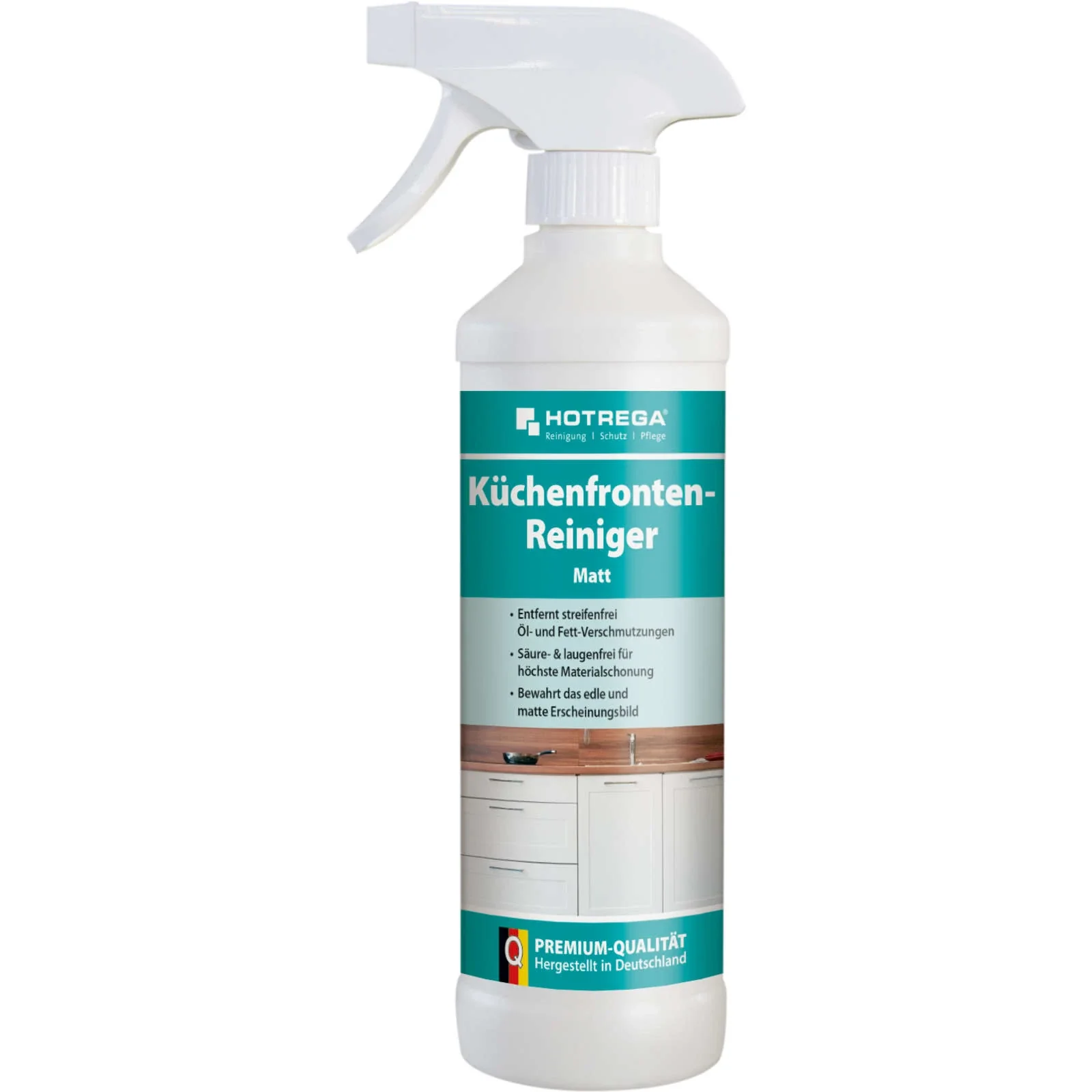
We also have solutions for other surfaces around the home. The
provides optimal care for high-gloss fronts. This means there is a suitable product for every material.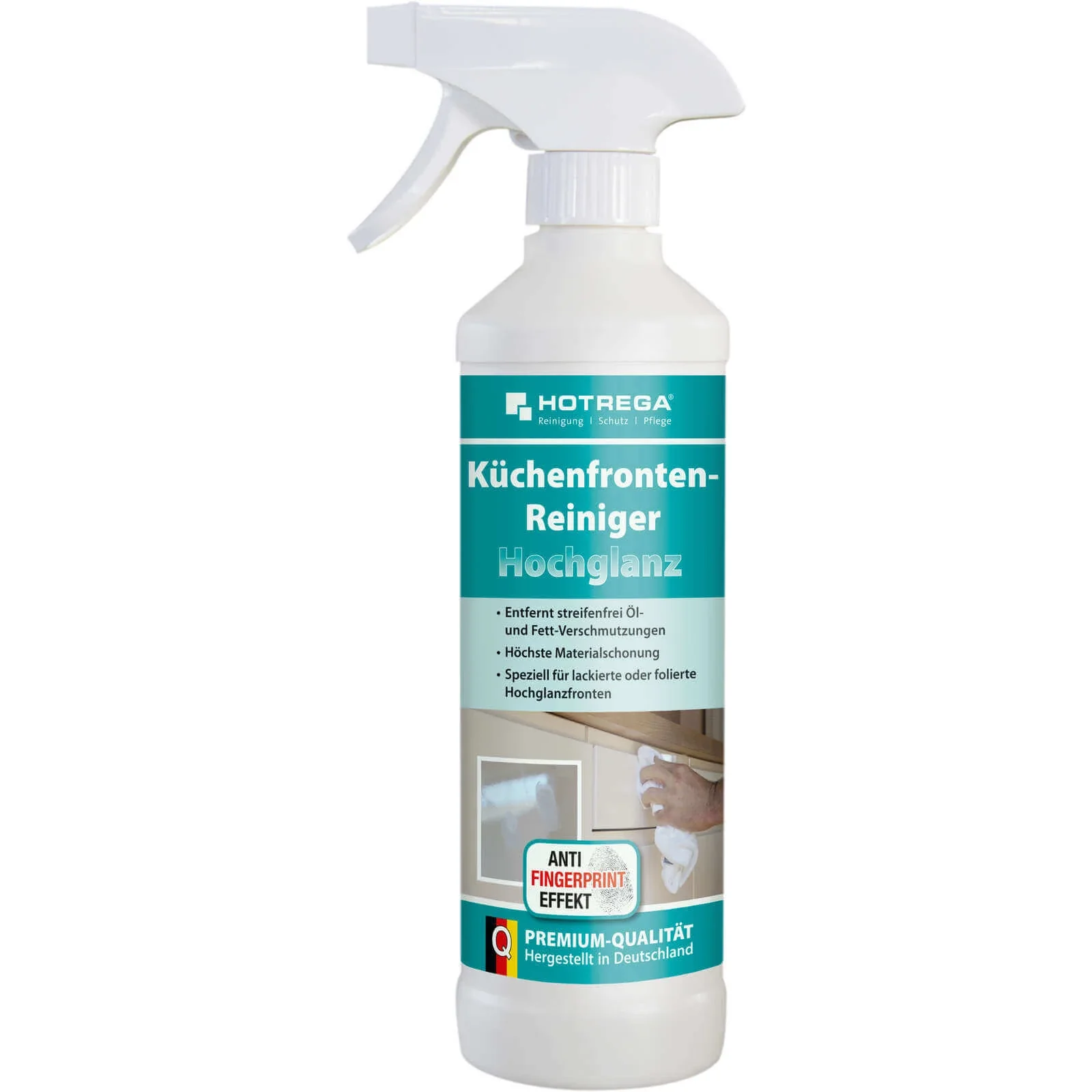
Think holistically when furnishing your home. A
with a modern design complements the kitchen area. It provides extra storage space and follows the timeless style.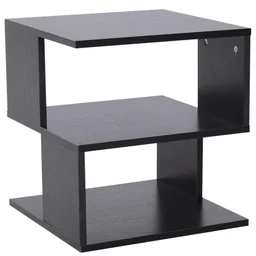
Long-Term Care: How to Keep Matte Surfaces Looking Like New
Establish a simple routine. Wipe the fronts regularly with a dry cloth to prevent greasy dust from building up.
Clean high-traffic areas, such as the fronts next to the stove, every week. Less frequently used surfaces only need monthly care.
Check the handles, where skin oils can collect. Clean them with the same mild cleaner and a cloth.
The principles of gentle cleaning also apply elsewhere. Whether for outdoor living spaces or specialty surfaces, gentle care helps extend their lifespan.
A great example of durable outdoor design is the
. Made from galvanized steel, this balcony planter combines durable construction with a modern design.
Durable, easy-care solutions are especially useful for family spaces. A
is practical as a play mat or storage bag and keeps colorful accessories neatly organized.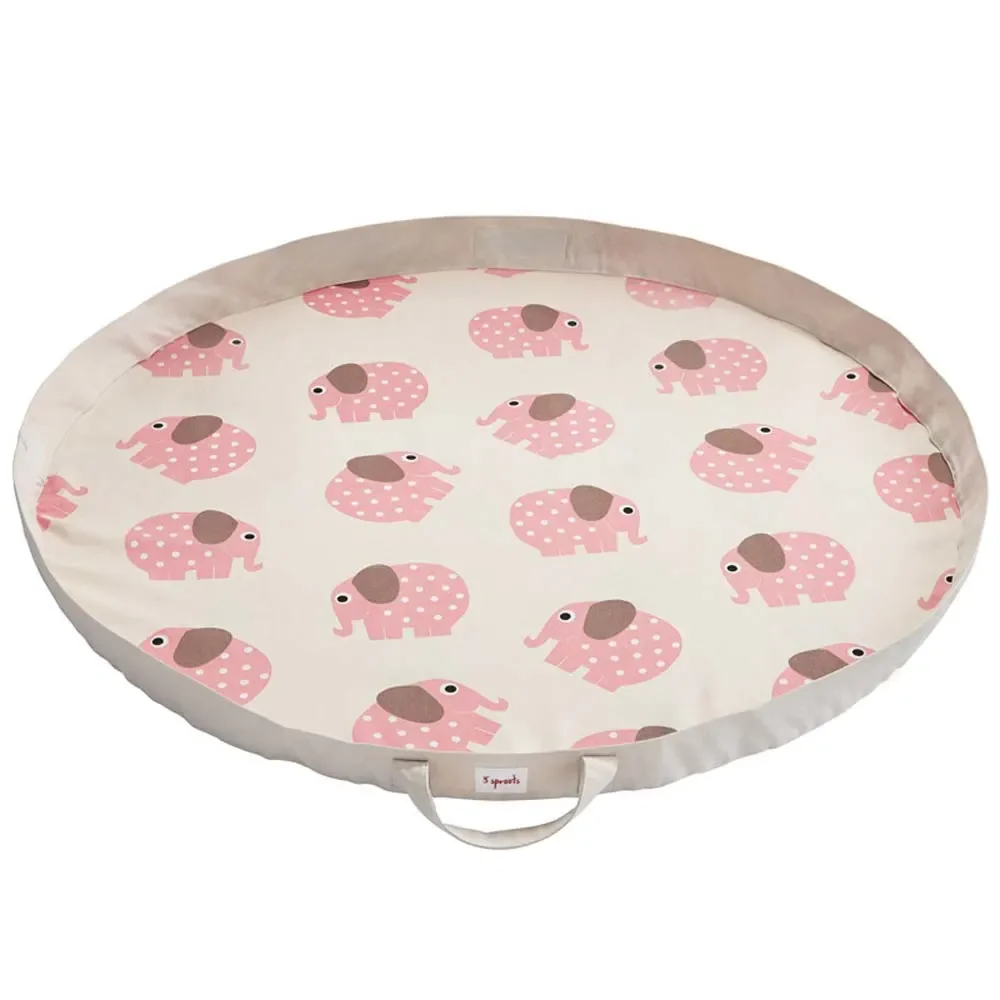
With the right care, your matte kitchen fronts will remain the stylish centerpiece of your home and kitchen design for many years. You get maximum results with minimal effort.
Frequently Asked Questions
- Why are matte kitchen fronts so popular?
- Matte fronts have a timeless, modern, minimalist look. They do not reflect light, creating a calm, high-end atmosphere. They are also practical because they make fingerprints and fine layers of dust much less visible than high-gloss fronts. They can also hide minor signs of wear more effectively.
- How do I clean matte kitchen fronts properly?
- Always start by dusting with a dry, soft microfiber cloth. For cleaning, use a cleaner specially designed for matte surfaces, such as PRODUCT_61060. Spray the cleaner onto the cloth, not directly onto the front. Wipe with light pressure using even strokes.
- What mistakes should I avoid when caring for matte fronts?
- Avoid harsh all-purpose cleaners, abrasive cream cleansers, and scouring pads. They can permanently scratch the delicate surface. Do not use oil- or silicone-based polishes, as they leave streaks and make the matte finish shiny. Harsh cleaning solutions or citric acid can also damage the coating.
- Are matte fronts suitable for areas around the sink?
- Yes, but use care. Areas directly next to the sink can accumulate stubborn limescale and soap residue. Clean these areas more frequently and thoroughly, but always use the recommended mild cleaners. After cleaning around the sink, immediately dry the front with a second, dry cloth to prevent water spots.
- Can I repair scratches on matte fronts?
- Superficial, light scratches can sometimes be concealed with a care pen designed for matte surfaces. Deep scratches in the substrate or through-colored film are usually irreparable. Prevention is key: take care when cooking with sharp objects near the fronts.
You May Also Be Interested In
- Refresh Your Kitchen Fronts for a Fresh Kitchen Makeover
- Planning a Fitted Kitchen: Functional and Stylish Kitchen Design
- Painting a Kitchen Countertop: The Easy Way to Get a New Look
- Plastic Wall Panels: Modern and Easy to Maintain
- Renovating Your Kitchen Yourself: Budget-Friendly Ideas for a Fresh New Feel
- Planning an Affordable Kitchen: Money-Saving Tips for Your Dream Kitchen