
In brief: You can lower your energy costs by accurately analysing the consumption of your household appliances with a meter. A digital energy cost meter shows you which appliances incur high costs in standby mode, during continuous operation or due to inefficient use. With this specific data, you can replace power-hungry appliances, optimise usage times and save money in the long term.
Measure Electricity Use: The First Step Towards Cutting Costs
High electricity bills are often a mystery. You may suspect that your old fridge or garden lighting is to blame. But without specific data, it remains speculation. Measuring electricity use provides the facts.
This allows you to identify the real power-hungry appliances in your home. These figures form the basis for any effective saving measure. Whether in the house, in the garden or with home technology – knowledge gives you control.
Investing in a simple meter usually pays for itself within a year. Start with the obvious appliances and work your way towards the hidden energy users.
The Right Tools for Measuring Electricity Use
You do not need expensive laboratory equipment. A digital energy cost meter is sufficient for most household appliances. You plug this device in between the socket and the appliance.
It measures the current power in watts and total consumption in kilowatt-hours. Many models even calculate the resulting costs directly, based on your individual electricity tariff.
“The greatest potential for savings often lies in the combination of old appliances and unsuitable usage habits. Measuring makes both visible.”
For permanently installed appliances such as electric cookers or instantaneous water heaters, you may need professional help. For everything else, a handy meter is the key.
How Do I Find Hidden Power-Hungry Appliances?
Start with appliances that run permanently or are constantly on standby. The fridge is a classic candidate. Measure its consumption over 24 hours for a realistic picture.
Do not forget the chest freezer in the basement. Next come appliances with standby functions: televisions, receivers, stereo systems, computers and their peripheral devices.
Plug several of them into a multi-socket extension lead and measure their combined standby consumption. The total often comes as a surprise.
Expert tip
Measure throughout the year. A fridge’s consumption depends on the room temperature. In hot summer weather or near the barbecue, it works harder. A winter reading alone is not representative.
Other candidates include pumps (heating, ponds, wells), electric water heaters and old lamps with transformers. Take a systematic approach.
The Surprise Factors: Small Amounts Add Up
It is not just the large appliances that matter. A charger left permanently plugged in, decorative lighting, an electric toothbrush charger or a coffee machine with a keep-warm function all add up.
A single appliance uses very little energy. However, ten such appliances running continuously can add up to a significant amount in a household. Measure these minor consumers for a week as well.
This gives you a complete picture of your electricity usage. The analysis may be inconvenient, but it is extremely effective.
Practical Steps to Take After Measuring
You have the data. Now take action. The simplest measure is to switch appliances off consistently. Plug groups of appliances with high standby consumption into a switched extension lead.
Switch this extension lead off at night or when you are away. This often applies to all the home entertainment equipment in the living room or the computer workstation setup.
The next step is replacing identified power-hungry appliances. A 15-year-old fridge can be replaced with a modern appliance in energy efficiency class A or B. The savings often justify the purchase.
“Saving energy is not about going without; it is about optimisation. Modern appliances deliver the same performance with a fraction of the energy consumption. Measuring shows where replacement will pay off fastest.”
Optimise your usage habits. Do you only run the washing machine and dishwasher when they are fully loaded? Is the fridge set to the right temperature (7°C is sufficient)? Do you use the right-sized lid when cooking?
Important note
Never connect appliances with high starting power or heating functions (washing machine, tumble dryer, toaster, kettle) through a basic meter. Check the maximum load capacity of your meter (usually 16A). Do not exceed it.
Special Case: Garden and Outdoor Areas
Further energy consumers are lurking in the Garden + Outdoor area. Pond pumps often operate 24 hours a day. Measuring shows whether a newer, more efficient model would be worthwhile.
Garden lighting with halogen lamps is a power drain. Replace it with LED lights. Use timers or dusk sensors so that the lighting only operates when needed.
Electric garden tools such as lawnmowers, shredders and leaf blowers should only be used when genuinely needed. Check their consumption per use. It may be worth switching to battery-powered tools from our power tools range.
Long-Term Monitoring and Changing Your Habits
A one-off measurement campaign is good. Ongoing monitoring is better. Record the values of your main consumers in a simple table. Repeat the measurements once a year.
This helps you spot deterioration, such as when a fridge gets older and becomes less efficient. You keep track of your total electricity costs.
The greatest savings often come from changing your habits. Knowing the exact consumption sharpens your awareness. You switch the lights off more often. You use the kettle more efficiently.
Additional advice
Involve everyone in your household. Use the readings to explain why certain appliances should be switched off. A meter with a live cost display placed visibly at the socket often works wonders.
This change in behaviour costs nothing. It saves money over time. Combine it with technical upgrades for maximum effect.
Smart Helpers for Greater Efficiency
Modern technology can support you. Smart plugs with energy monitoring and timers automate switching appliances off. You can control them conveniently via an app.
Some energy suppliers offer detailed online consumption analyses. These show daily usage profiles and help identify unusual consumption peaks.
The combination of your own meter and digital tools gives you complete control over your energy budget. You go from paying the bills to managing your energy costs.
Products to help you save electricity
The theory is clear. Now you need the right tools. These products from our range help you start measuring and saving straight away.
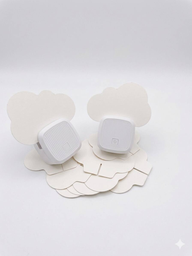
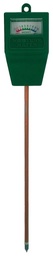
: Our digital electricity cost meter is the ideal entry-level device for analysing energy consumption. It measures power, energy use and costs. Plug it between the socket and the appliance to get clear data straight away. Ideal for checking your refrigerator, TV, computer and more.: You can save energy outdoors too. This UV insect trap works efficiently and attracts annoying mosquitoes and flies without chemicals. Compared with permanently running, inefficient patio lighting that attracts insects, it helps you save energy.: An indirect way to save electricity. This soil moisture meter helps you optimise your garden watering. You avoid unnecessarily running an electric pump or irrigation computer because you know exactly when your plants need water. A contribution to efficiency in the garden watering sector.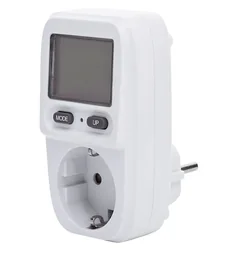
Conclusion: Knowledge is power – and saves money
Measuring your electricity consumption is not magic. It is a practical, hands-on step. You take control of your energy use yourself.
Start today. Measure a single appliance that you have suspected for a long time. The certainty you gain is the first step towards a noticeably lower electricity bill.
Combine these insights with smart habits and efficient technology. Your wallet and the environment will thank you. Get started and save.
Frequently Asked Questions
- How do I measure the electricity consumption of a single household appliance?
- Plug the appliance into the socket through a digital electricity cost meter. The meter immediately shows the current power consumption in watts and the accumulated energy use in kilowatt-hours. For a realistic assessment, leave the appliance connected for a typical period of use, such as 24 hours.
- Which appliances use the most electricity in the home?
- Appliances that are constantly on standby, generate heat or have old motors are often the biggest energy consumers. These include refrigerators and freezers, electric water heaters such as boilers, old heating circulation pumps, tumble dryers and desktop computers. Measuring individual appliances provides absolute clarity.
- Can smart plugs help me save electricity?
- Yes, smart plugs often work as energy meters too. They switch appliances off completely using timers or remote control, preventing standby losses. This is particularly effective for groups of entertainment devices or seasonal appliances in the Garden + Outdoor category.
- How much does it cost to leave electrical appliances on standby each year?
- The costs vary considerably. A single appliance drawing 5 watts continuously uses around 11 euros per year when running 24/7. Multiply this by the many appliances in a household and standby losses can quickly add up to 100 euros or more. A meter makes these hidden costs visible.
- How can I save electricity in the garden and outdoors?
- Use timers for garden lights and pond pumps. Replace halogen spotlights with LED alternatives. Use solar-powered lights for paths and decoration. When buying new power tools, check the energy efficiency class and battery compatibility.
You may also be interested in
- Uncover energy-guzzling appliances: save money at home
- Reduce household running costs: practical money-saving tips for your home
- Save electricity while on holiday: how to reduce your energy costs
- Reduce household electricity consumption: money-saving tips for every day
- Save energy at home: top tips for lower consumption and costs
- Reduce energy costs: optimise electricity and heating costs