
In brief: Replace your old night storage heater to reduce energy costs. Modern alternatives such as heat pumps, pellet heating systems or efficient infrared heating panels offer significantly higher efficiency. Switching to a wet central heating system involves more work, but pays off in the long term through lower running costs and improved comfort.
The electricity bill has arrived and it is making you frown. One major expense is heating. If an old night storage heater is still keeping your home warm, you know the problem. Once praised as an affordable solution, these heaters are now often inefficient energy guzzlers. Cheap night-time electricity tariffs are largely a thing of the past, while general electricity prices are at record highs. It is time to modernize your heating system and save energy and money in the long term.
Why are night storage heaters no longer suitable today?
Night storage heaters work on a simple principle: at night, when electricity used to be cheaper, storage bricks inside the unit heat up. During the day, they release this heat into the room. Today, this concept has several serious disadvantages.
The biggest weakness is running cost. Special, low-cost night-time electricity tariffs are now rare. This means you are heating your home with expensive standard electricity. As a result, night storage heating is one of the most expensive heating methods available. Although converting electricity directly into heat inside the unit is efficient, transporting electricity from the power station to your socket involves significant energy losses.
Another problem is the lack of flexibility. The heater charges overnight, regardless of whether you actually need the heat the following day. A sudden change in the weather or an impromptu day out? The heater is already fully charged and releases its expensively generated heat unused. Conversely, on very cold days, the stored heat may run out by evening, leaving you in the cold or forcing you to use expensive supplementary heating.
Important note
There is a particular risk that units installed before 1993 contain asbestos or other harmful substances. Always hire a certified specialist company to dismantle and dispose of them. Removing the unit yourself is dangerous and illegal.
What alternatives are there to night storage heaters?
The market offers a wide range of modern and efficient heating systems. The right alternative depends on your building, budget and personal preferences. In general, the options can be divided into three categories: hydronic central heating systems, modern electric heating and heat pumps.
Hydronic central heating systems: a complete conversion
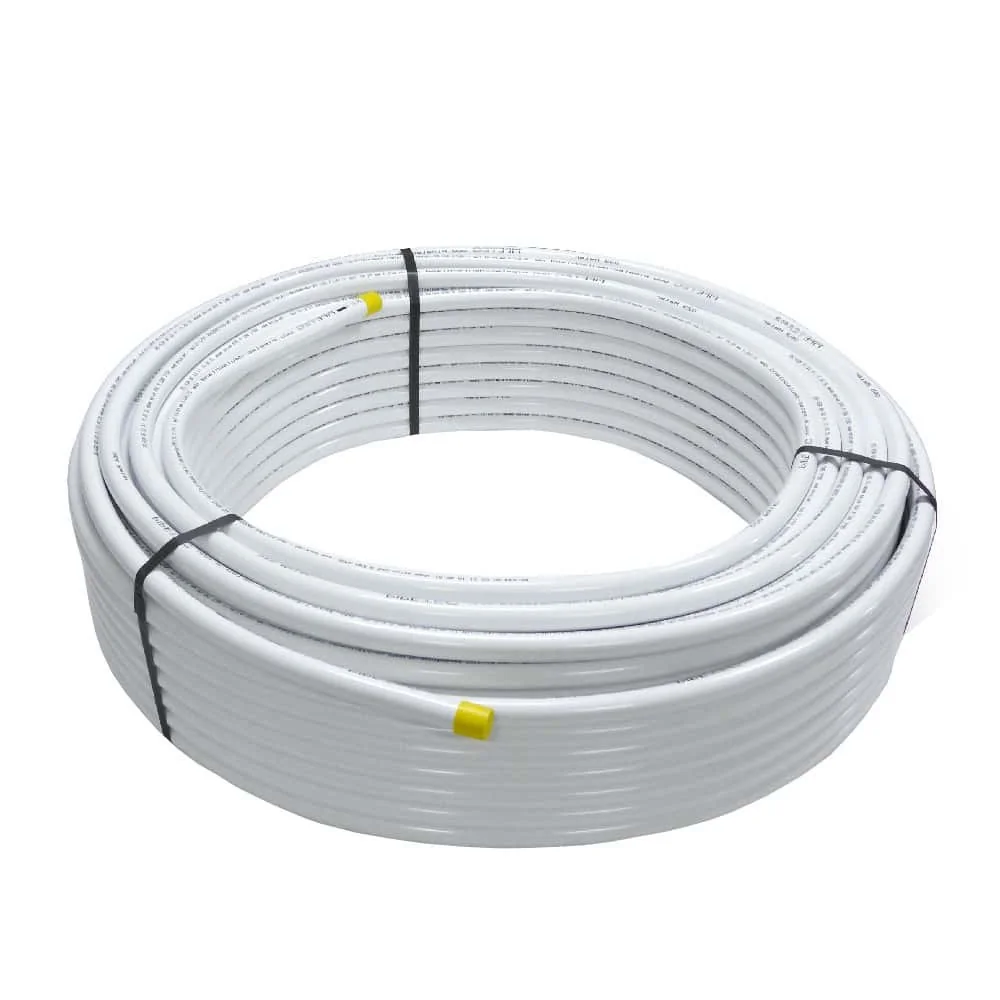
Switching to a hydronic system is the most comprehensive modernisation option. A central heat generator, such as a gas boiler, pellet heating system or oil boiler, heats water. This is pumped through newly installed pipes to radiators or underfloor heating in the individual rooms. Installation is complex, as walls need to be opened and pipes installed. For this type of work, you need robust materials such as a flexible aluminium composite pipe
.
The main advantage is significantly lower running costs, particularly when using gas or pellets. You get a comfortable heating system that is easy to control. Naturally, conversion work creates dirt and dust. A powerful helper such as the 3-in-1 stainless steel wet and dry vacuum cleaner and blower
is ideal for removing building debris and dust immediately and keeping the worksite clean.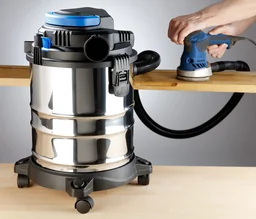
Modern electric heating: an easy replacement
If you want to avoid major conversion work, modern electric heating is an interesting option. Instead of storing heat inefficiently, these devices work directly. They convert electricity into heat exactly when you need it. Options include infrared heating panels, modern convectors and storage heaters. A smart solution is a smart panel heater
, which you can control via an app.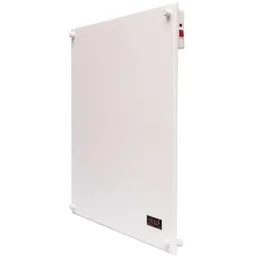
Installation could not be easier: disconnect the old night storage heater, mount the new device on the wall and connect it to the existing power supply. The initial cost is low and the level of control is excellent. You can set the temperature in each room individually and precisely. Running costs are still linked to electricity prices, but intelligent, demand-based use can save you significantly compared with a night storage heater.
Modern direct-acting heaters, particularly infrared systems, provide a high level of comfort through targeted heat radiation while offering precise control. They are a sensible option for well-insulated buildings or as a supplement to a main heat generator.
The heat pump: heating with renewable energy
A heat pump is the most future-proof, but also the most expensive, alternative. It extracts heat from the ambient air, ground or groundwater and uses a compressor to raise it to a temperature suitable for heating. It is powered by electricity, but one kilowatt-hour of electricity produces three to five kilowatt-hours of heat. This makes it extremely efficient.
A heat pump is best suited to well-insulated homes with underfloor heating or another surface heating system, as these work with lower flow temperatures. The investment costs are high, but attractive government grants can help offset them. In the long term, you benefit from very low heating costs and greater independence from fossil fuels.
Pro tip
Before deciding on a new heating system, be sure to find out about current funding programmes from the federal and state governments, for example through KfW or BAFA. A grant for replacing a night storage heater with a heat pump can significantly reduce the investment costs.
How do I plan the switch from night storage heating to a new system?
Replacing a heating system is a major project that requires careful planning. Proceed step by step to find the best and most cost-effective solution for you.
- Analyse the current situation: Ask an energy consultant to determine your home's heating requirements. They will assess the insulation of the roof, walls and windows and calculate how much heating capacity you actually need. This forms the basis for sizing the new system.
- Compare systems: Compare the different alternatives. Weigh up purchase costs, installation work, running costs and available funding. Also consider comfort and ease of use.
- Get quotes: Obtain quotes from several qualified heating engineers. Make sure the quotes include all necessary work, from removing the old heaters to commissioning the new system.
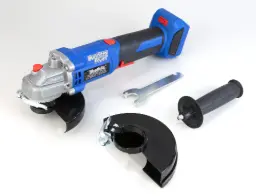
- Carry out the modernisation: The actual work can take anywhere from a few days to several weeks, depending on the system. When installing new pipes, old installations may need to be removed. A robust 18 V angle grinder helps you cut through old metal pipes or brackets quickly and cleanly. After installing new pipes, proper heating pipe insulation is essential to minimise heat loss on the way to the radiator.
Costs and value for money: Is replacing your heating system really worthwhile?
Cost is a key consideration. A direct replacement with modern infrared panels for a detached house may cost between 4,000 and 8,000 euros. A complete gas central heating system including pipework costs between 15,000 and 25,000 euros, while a heat pump system can reach 35,000 euros. However, these investments are offset by substantial savings on running costs.
Example calculation for a 140 m² house:
- Night storage heaters (20,000 kWh/year at 30 ct/kWh): approx. 6,000 € per year
- Gas condensing boiler (20,000 kWh/year at 12 ct/kWh): approx. 2,400 € per year
- Heat pump (seasonal performance factor 3.5, electricity at 30 ct/kWh): approx. 1,700 € per year
In this example, a gas heating system saves you 3,600 euros per year, while a heat pump saves as much as 4,300 euros. Depending on the system, the high initial investment therefore pays for itself within five to ten years. After that, you save real money year after year.
Replacing an outdated night storage heating system is almost always a financially sensible decision. Reducing ongoing heating costs not only leads to a quick payback, but also significantly increases the value and appeal of the property.
Additional advice
Think beyond simply replacing your heating system. It is often sensible to combine the modernisation with additional insulation measures, such as replacing old windows or insulating the top-floor ceiling. Every kilowatt-hour of heat you save is the cheapest one.
Conclusion: Now is the right time to act
Old night storage heaters are a relic from another era. High running costs, limited comfort and a poor environmental performance all point to one clear conclusion: replacement is long overdue. Modern heating systems, from efficient heat pumps to flexible infrared heating, offer a suitable solution for every property and budget.
Investing in a new heating system may initially seem expensive, but the dramatic reduction in energy costs ensures a quick payback. You also enjoy greater comfort, protect the environment and increase the value of your home. For installing a wet central heating system, the Westfalia range includes suitable components such as manifolds and wall brackets, enabling a neat and professional installation. Don’t wait any longer. Start planning your heating system upgrade today and look forward to a warm home with lower bills.
Frequently asked questions
- How much does it cost to replace night storage heaters?
- Costs vary considerably depending on the new system. A simple replacement with modern electric heaters can cost a few thousand euros. A complete central heating system with a heat pump or gas boiler, including pipework and radiators, can cost between 15,000 and 35,000 euros or more.
- Is infrared heating a good alternative to night storage heaters?
- Yes, infrared heating is an efficient alternative for well-insulated rooms. Rather than heating the air, it heats people and objects directly, which many people find very comfortable. Installation is straightforward, but running costs still depend on the electricity price. It is ideal for heating individual zones.
- Are there grants available for replacing an old heating system?
- Yes, the government supports the switch to renewable energy. Heat pumps and biomass heating systems in particular are subsidised through KfW and BAFA programmes. An energy consultant can help you identify the right funding schemes and submit the applications correctly.
- Do I need to renovate the whole house for a new heating system?
- Not necessarily. When switching to modern electric heaters such as infrared panels, you can use the existing electrical wiring. A wet central heating system requires heating pipes to be installed, which is a more extensive intervention. However, the pipes can often be cleverly concealed in skirting boards or trunking.
- How should I dispose of my old night storage heater?
- Old night storage heaters, particularly those built before 1993, may contain asbestos and are classified as hazardous waste. They must be dismantled and disposed of by a certified specialist contractor. Never attempt to dismantle such a heater yourself. Newer models are generally safe, but must still be disposed of correctly.
You may also be interested in
- Replacing your heating system: When is it really worthwhile?
- Heating with electricity efficiently: Modern solutions compared
- Gas boiler ban: Alternatives and heating systems for your home
- Modernising your gas heating: Improve efficiency and cut costs
- Heat pumps in older homes: Efficient heating
- Find the right heating system for your home