
In brief: Mould spores are microscopic fungal particles that constantly circulate in the air. They become a problem when they land on damp surfaces and grow into visible mould. You may first notice the danger through a musty smell, allergic reactions or condensation on windows. Tackling the problem means removing the source of moisture and thoroughly cleaning or replacing affected materials.
Mould Spores in the Air: Spot and Tackle the Hidden Threat
Mould spores are the invisible forerunners of a visible problem. They constantly float through the air in our homes, waiting for the right conditions to grow. Tackling mould therefore does not start with the black patch on the wall, but with understanding air, moisture and prevention.
What are mould spores and why are they dangerous?
Mould spores are microscopic reproductive and dispersal units of mould fungi. They are so light that even the slightest air movements can carry them throughout your home. The danger does not come from the spores themselves, but from landing on a damp, nutrient-rich surface.
There, they germinate and form visible mycelium, the mould growth. This growth releases further spores and MVOCs. These volatile organic compounds are responsible for the characteristic musty smell and can pose a health risk.
"Mould is an indicator of a disrupted indoor climate. The spores are always there, but moisture is what creates the problem. Remediation therefore always means addressing the cause of the moisture, not just removing the patch."
How can I tell if there is a high level of mould spores?
Your senses are the first warning systems. A persistent musty or earthy smell, especially after being away for a while, is a strong indication. Physical reactions can also provide clues.
Sudden symptoms such as itchy eyes, sneezing, headaches or tiredness in particular rooms may indicate exposure. Visible signs include condensation on window panes, damp patches on walls or ceilings and, of course, actual mould growth in various colours.
Important note
Black mould is not automatically more toxic than other mould. Its colour says nothing about its toxicity. Any mould growth in living spaces is a hygiene problem and should be taken seriously, regardless of its colour.
The role of humidity
Relative humidity above 60% provides ideal conditions for mould spores to germinate. Measure it with a reliable hygrometer. So-called thermal bridges are particularly critical. These are areas where the wall is colder than the rest, such as around window reveals, in external corners or behind large pieces of furniture.
Moisture from the indoor air condenses on these cold surfaces, creating a damp environment for the spores. Good air circulation is therefore essential for prevention.
How can I tackle the cause rather than just the symptoms?
Surface cleaning with household products such as alcohol or hydrogen peroxide can help with small patches on non-porous materials. However, it does not eliminate the cause. The strategy should be: stop the moisture, remove affected materials and regulate the indoor climate.
1. Identify and stop sources of moisture
Common sources include rising damp in the basement, faulty water pipes, leaking roof seals or simply insufficient ventilation after showering or cooking. A dripping tap or a leaking household drain can cause enormous damage over time.
Also check how your furniture is positioned. Large wardrobes placed directly against external walls prevent air circulation and encourage mould growth on the wall behind them. Keep a gap of at least 5 cm.
"The most effective way to prevent mould is to ventilate correctly: air the room fully three to four times a day by opening the window wide for 5-10 minutes. This replaces the air without cooling the walls, so they can dry again quickly."
2. Heat and ventilate correctly
Heat all rooms evenly, including those you rarely use. Cold air holds less moisture, which then condenses on the walls. Ventilate moisture directly to the outside, ideally by opening windows on opposite sides to create a through-draught.
Ventilating is essential after getting up, cooking, showering or drying laundry. In winter, 5 minutes is often enough; in summer, you should ventilate for 20-30 minutes.
Pro tip
In winter, place a small, quiet fan in critical rooms such as the bedroom or bathroom. It does not need to blow directly at the wall. Even slight air movement in the room prevents stagnant, damp layers of air from forming against cold walls, significantly reducing the risk of mould.
Technical solutions for a healthy indoor climate
Manual ventilation is not always enough. Technology can help, especially in modern, well-sealed homes or problem areas such as basements.
Dehumidifiers and air movers
Electric dehumidifiers draw in room air, cool it, condense the moisture and return drier air. They are useful in damp basements or during the drying phase after water damage. A simple but effective helper for the cold season is the
. It not only provides targeted heat, but also promotes the drying of damp corners through warmed air circulation.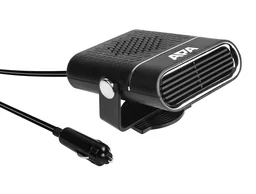
The right ventilation for workshops and hobby rooms
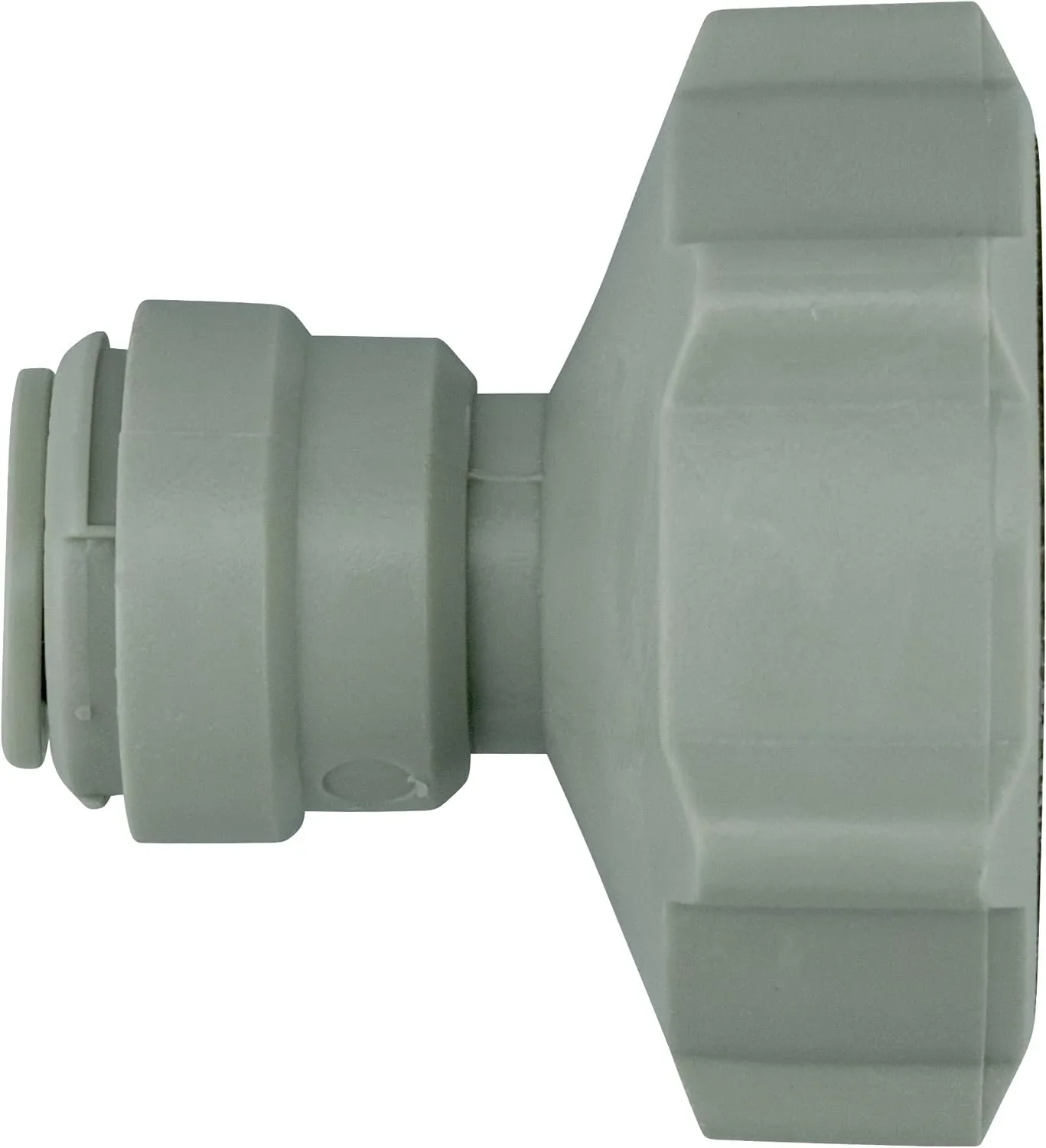
Basements used as workshops often become damp because of wet work clothes or materials. A reliable compressed-air supply is important here. The
provides mobile compressed air without a noisy compressor. Combined with a suitable for your air hoses, it keeps your tools dry and operational.
Good organization in the workshop and storage area prevents standing moisture. Store materials on pallets so that air can circulate underneath. A well-ventilated garden or greenhouse area also benefits from well-planned technology.
Additional advice
Check your window seals regularly. Porous or hardened seals not only allow heat to escape, but can also create thermal bridges and lead to condensation on the frames. The resulting condensation often runs invisibly into the wall, creating ideal conditions for mold spores.
High-risk areas in the home: children's rooms and more
Children's rooms are often hotspots for mold. A lot of moisture is produced here through breathing and, sometimes, wet laundry. Many toys, pieces of furniture and textiles restrict air circulation.
When furnishing the room, choose breathable materials and leave sufficient space between furniture and the wall. Solid-wood furniture in a farmhouse style is often better than bulky particleboard furniture. Avoid excessive decoration that prevents air from circulating.
A particular problem is often hot-air balloons or other large decorative elements hanging directly below the ceiling and restricting air circulation there. Mobile decorations or wall art are better options.
Air purification in children's rooms
For children with allergies, an air purifier with a HEPA filter can reduce the spore load. However, humidity control is more important. A pretty night-light is nice, but it should not be a heat source directly next to the bed that increases local humidity. The best prevention is regular, thorough ventilation in the morning and before bedtime.
Long-term prevention: building and renovating with care
When renovating or planning new rooms, you should incorporate mold-prevention measures from the outset. Use vapor-permeable paints and plasters that can absorb and release moisture instead of trapping it.
Ensure proper thermal insulation that prevents thermal bridges. A well-planned addition or room divider should always take the ventilation of the new room layout into account.
Even outdoors, for example when storing bird feed in a bird feeder, the same principle applies: good ventilation prevents mold in the feed and therefore also limits the spread of spores in the surrounding area.
The right habits for everyday life
Mold prevention is an ongoing task. If possible, do not dry laundry inside your home, or ensure intensive ventilation while it dries. Always use the range hood when cooking or open a window.
After showering, use a squeegee to dry the wet tiles and shower walls, and ventilate the bathroom thoroughly. Regularly check dark, rarely used areas such as behind the washing machine, under sinks or in storage closets.
You will never completely eliminate mold spores from your indoor air. That is not necessary either. Your goal should be to deprive the spores of the conditions they need to thrive: moisture. By keeping a close eye on risk areas, ventilating consistently and using technical aids strategically, you can create an indoor climate where mold has no chance. This protects not only your building, but above all your health and that of your family.
Frequently Asked Questions
- How can I detect mould spores in the air before visible mould appears?
- Before visible mould appears, a persistent musty, mouldy smell is often the first sign, similar to damp earth or a musty basement. Physical symptoms such as sudden eye irritation, a runny nose, coughing or headaches that improve after leaving the room are strong indicators. Excessive condensation on windows or cold walls is another warning sign.
- Can I measure mould spores in indoor air myself?
- Reliable DIY testing is difficult for private individuals. Simple spore trap devices only provide a snapshot and do not give an exact concentration reading. Interpreting the results requires specialist microbiological knowledge. If you suspect mould, a professional indoor air quality analysis by an accredited laboratory is more useful. It measures the spore concentration and identifies the type of mould, which is essential for remediation.
- Does an air purifier kill mould spores in the air?
- An air purifier with a HEPA filter can remove mould spores from the air and reduce the spore load. However, it does not kill the spores. The most important step is to eliminate the source of moisture and remove any visible mould. An air purifier is only a supporting measure, especially for allergy sufferers, and does not solve the underlying problem. A unit with an activated carbon filter also helps reduce odours.
- What humidity level is most effective at preventing mould growth?
- Keep the relative humidity in living areas consistently between 40% and 60%. Below 40%, the air is too dry for the mucous membranes; above 60%, mould growth can start in critical areas. Measure humidity with a hygrometer. This is particularly important in bedrooms, bathrooms and basements. Briefly opening the windows fully reduces humidity more effectively than leaving them tilted open.
- Do I always need to call in a professional if I have mould?
- You can deal with smaller, superficial areas (under approx. 0.5 m²) on non-porous materials such as tiles or glass yourself, using protective clothing and suitable cleaning products. A professional is essential for larger areas, mould that has penetrated deeper materials (e.g. plaster, wood or drywall), or when the cause is unknown. They will identify the cause and develop a remediation plan.
You may also be interested in
- Mould tests: How to detect mould in your home
- Mould in the home: How to detect, prevent and remove it
- How to remove mould properly
- How to ventilate properly in winter: Prevent mould and improve your indoor climate
- Effectively control and prevent dust mites
- Prevent mould: Keep your home mould-free in the long term with Schimmelstop