
In brief: Mouse droppings are about 3-8 mm long, spindle-shaped and pointed at both ends. You may find them along runways such as baseboards, in drawers or in food cabinets. Thorough cleaning with protective equipment is the first step. To keep mice away long term, seal entry points, store food securely and keep your garden tidy.
How to identify mouse droppings safely
Mouse droppings are the clearest sign of an active infestation. You will often find the small, dark droppings in clusters along the rodents' usual runways.
They are about 3 to 8 millimeters long and spindle-shaped, with pointed ends. Fresh droppings are soft and shiny black; after a few days, they become hard and gray-brown.
Typical places to find them indoors include along baseboards, in drawers, on food packaging in the pantry or in rarely used cabinets. In the garden or shed, they are often concentrated near food sources such as stored birdseed or compost.
Important information
Never touch mouse droppings with your bare hands. Always wear disposable gloves when cleaning and, if possible, a particle mask (FFP2) to avoid inhaling dust that may contain pathogens. Thoroughly wet the affected areas with a disinfectant cleaner before removing the droppings.
How mouse droppings differ from those of other animals
Don't confuse mouse droppings with rat or insect droppings. Rat droppings are significantly larger, measuring 10 to 20 millimeters, and are often rounded at one end.
Cockroach droppings are smaller and have characteristic longitudinal ridges. They are often scattered like ground pepper. Mouse droppings, by contrast, have a distinct shape and are deposited in groups.
Why mice move into homes and gardens
Mice are driven by two basic needs: food and shelter. Your home and garden often provide both in abundance.
In fall and winter, mice actively seek warm, dry hiding places. An unsecured basement hatch, a gap beneath a patio door or an open pipe penetration is enough to invite them in.
Food sources are plentiful. Uncovered pet food, birdseed scattered around the bird feeding area, compost piles containing kitchen waste or fallen fruit in the garden attract mice.
A mouse needs only about 3 grams of food per day, but can find that much almost anywhere. Access to water or moist food is crucial.
Attractants outdoors
An untidy garden offers ideal living conditions. Dense ground cover, tall grass, piles of leaves and unused garden sheds provide cover and nesting material.
If you store seeds, flower bulbs or fertilizer in thin plastic bags, mice can easily gnaw through them. Items such as plant accessories, including coconut mats, can also serve as nesting material.
First steps after finding droppings
Act systematically when you find mouse droppings. Panic won't help, but prompt action can stop mice from multiplying.
- Put on protective equipment: Wear gloves and a mask.
- Clean thoroughly: Spray the affected surfaces with a disinfectant cleaner, let it sit for a few minutes, then pick everything up with disposable paper towels. Dispose of all waste in a sealed plastic bag.
- Secure food sources: Check all food supplies right away. Transfer dry goods to tightly sealed glass, metal or thick plastic containers.
- Identify entry points: Use a flashlight to inspect the area where you found the droppings for cracks, holes or gnaw marks.
Pro tip
Hold a flashlight at a low angle to find runways and nests. Even tiny droppings or greasy smears from body oils cast long shadows and become easier to see. Pay particular attention to areas behind large kitchen appliances such as the refrigerator or stove.
Effective mouse prevention: the best pest control
Prevention is the key to long-term mouse control. The goal is to make your property unattractive and inaccessible to mice.
Secure your home and buildings
Mice can squeeze through openings the size of a pencil. Seal all potential entry points.
Use rodent-resistant expanding foam or silicone for small cracks and joints. For larger holes beneath sinks or around pipe penetrations, combine steel wool or copper scrubbers with expanding foam. Mice cannot gnaw through the metal.
Fit basement windows, ventilation shafts and attic hatches with close-mesh wire screens with a maximum mesh size of 5 mm. Also check for damaged door seals.
A completely mouse-proof house does not exist. However, consistently sealing all openings 5 mm or larger can reduce the risk of infestation by more than 90%. Check regularly, especially after storms or construction work.
Storing food and waste
Remove mice's food supply. This applies to both human and pet food.
Keep all dry goods such as flour, pasta, granola or pet food in tightly sealed containers. Supermarket packaging for sugar and cereal doesn't provide protection either.
Keep the indoor food waste bin covered and empty it regularly. Place large outdoor trash cans with their lids closed on a firm, clean surface, preferably away from house walls.
Feed pets measured portions only. Food left in the bowl is an easy meal. This is especially true of wild bird food, which is often left out in the garden.
Make your garden mouse-proof
A tidy garden offers mice few appealing places to live. They prefer cover and undisturbed nesting sites.
Mow the lawn regularly and keep property boundaries free of tall growth. Clear away piles of leaves and branches promptly or store them well away from the house.
Don't store firewood, pallets or old stones directly on the ground or right next to the house. The space underneath is a popular hiding place.
Remove fallen fruit from fruit trees right away. Compost kitchen waste only in enclosed hot composters, not in open piles.
Additional advice
Plant natural deterrents. Crown imperials (Fritillaria imperialis) or peppermint around the edge of the garden may help keep mice away. Well-maintained, open soil without dense ground cover is less inviting. Use suitable garden tools to loosen and maintain the soil.
Protect garden rooms and tool sheds
These buildings are often the first stop for mice before they move into the house. Make them a mouse-proof stronghold.
Store seeds, potting soil and fertilizer in sturdy metal or thick plastic containers. Clear storage boxes from home improvement stores are often too thin-walled.
Fit all ventilation openings with fine-mesh screens. Check the door seal and close gaps at the base with a metal plate or threshold.
Tidy the shed regularly. Old sacks, empty pots and unused materials provide places to nest.
Technical Mouse Control Solutions
In addition to physical barriers, technical devices can help control mice. Use them selectively.
Ultrasonic devices such as the
or the emit sounds that people can't hear but that mice find unpleasant. Their effectiveness is disputed and depends heavily on the room's acoustics.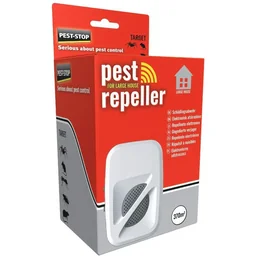
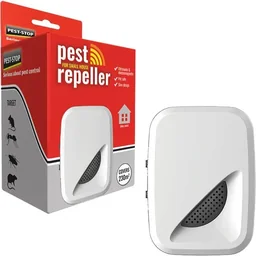
Carpets and curtains absorb sound. These devices may be a useful additional measure in a small, empty basement or garden shed, but they never replace sealing entry points.
Poison bait stations such as
should be used only as a last resort and strictly according to the safety instructions. Mice may die inside walls, causing unpleasant odors. Place bait stations completely out of reach of children and pets.
Encourage Natural Predators
Nature has its own helpers. Encourage them to visit your garden.
A wildlife-friendly garden with hedges and nesting sites can attract buzzards, falcons, and owls. Domestic cats can also reduce mouse activity outdoors.
Create shelter for weasels or stoats, two of the most efficient mouse hunters. A sunny pile of stones or an old tree stump can provide suitable shelter.
Long-Term Mouse Control Strategy
Mouse control isn't a one-time project; it's an ongoing part of home and garden maintenance.
Make regular checks part of your routine. Every few weeks, inspect hard-to-reach corners of the basement, attic, or garden shed.
Keep outdoor areas clean and tidy. Use suitable garden equipment to work efficiently.
Act as soon as you spot the first signs, such as gnawed packaging or occasional droppings. A single mouse is easier to deter than an established family.
With consistent prevention, prompt action at the first signs of an infestation, and the right combination of barriers and good hygiene, you can keep your home mouse-free for the long term. Your home and garden will stay protected.
Frequently Asked Questions
- How can I tell mouse droppings from rat droppings?
- Mouse droppings are much smaller (3-8 mm) and spindle-shaped with pointed ends, like dark grains of rice. Rat droppings are much larger, at 10-20 mm long, thicker, and often rounded at one or both ends. The number of droppings can also help: mice leave many small piles, while rats leave fewer, larger droppings.
- Which mouse repellents actually work?
- Ultrasonic devices such as PRODUCT_90029 may help indoors where carpets and other sound-absorbing barriers won't muffle the sound. Snap traps are reliable for an active infestation. The best protection, however, is prevention: seal all gaps wider than 5 mm with steel wool or expanding foam, and store food in tightly sealed containers.
- Can mouse droppings spread disease?
- Yes. Mouse droppings and urine can spread pathogens such as hantavirus and salmonella. Never enter an infested area without protection. Wear disposable gloves and an FFP2 mask when cleaning, and thoroughly dampen the droppings before removing them to keep contaminated dust from becoming airborne. Make sure the area is well ventilated while you clean.
- How can I keep mice out of a garden shed or tool shed?
- Store seeds, bird food, or flower bulbs in sturdy, sealable containers such as metal boxes. Regularly clear away clutter and cut back low-growing plants that provide cover. Cover ventilation openings with fine-mesh wire screens and check regularly for fresh signs such as gnaw marks or droppings.
- How does garden maintenance help prevent mice?
- Good garden maintenance reduces hiding places and food sources. Mow the lawn regularly, compost fallen fruit right away, and store firewood off the ground and away from the house. Loosen compacted soil with suitable garden tools so you can spot and remove vole tunnels early.
You may also be interested in
- How to Get Rid of Mice in Your Home: Effective Tips & Remedies
- How to Identify Marten Droppings & Get Rid of Martens
- Moths in the Home & Garden: Effective Control and Prevention
- Rats in Your Home? Effective Control Strategies
- How to Get Rid of Rats in Your Garden: Effective Methods
- How to Get Rid of Ants: Home Remedies & Expert Tips for Your Home & Garden