
In brief: Certain plants repel pests with strong scents, essential oils or special root secretions. They act as living barriers. These include classic herbs such as lavender and basil, as well as marigolds and garlic. This strategy is known as companion planting and significantly reduces the need for chemical treatments.
Natural Pest Control: 9 Plants That Protect Your Beds
Chemical insecticides are often the first thing people think of when pests appear. But your garden has solutions of its own. Certain plants defend themselves and their neighbors with fragrances and root secretions. They create a living barrier.
This method is called companion planting. It promotes biodiversity and makes your garden bed more resilient. The right combination is the key. We introduce nine effective helpers.
Expert tip
Do not plant pest-repellent species individually; plant them in groups instead. This allows their scent signals to have a greater effect. Use them as a bed border or as a protective row in front of vulnerable crops.
How does plant-based pest control work?
Plants communicate through chemical messengers. Some scents are pleasant to us but act as a warning signal to pests. Essential oils work like a natural repellent.
Other plants, such as marigolds, release substances through their roots. These combat harmful nematodes in the soil. The principle is simple: you use the natural defenses of plants.
This strategy is preventive. A healthy, naturally protected garden needs fewer interventions. Discover suitable plant protection accessories for additional measures.
“Companion planting is a principle that is thousands of years old. It imitates natural plant communities that strengthen one another. The ‘scent garden’ is not esotericism but applied ecology.”
Which plants protect my vegetable garden?
Herbs and flowers are ideal partners for the vegetable garden. They need little space and often offer a double benefit. They protect your crops and add flavor to your kitchen.
1. Basil (Ocimum basilicum)
Basil repels whiteflies and powdery mildew. Its strong scent confuses pests. Plant it directly next to tomatoes or cucumbers.
It even promotes the growth of its neighbors. Harvest regularly to intensify the scent. Basil is an annual plant and needs a warm, sunny spot.
2. Marigold (Tagetes)
Tagetes are champions of natural pest control. Their roots combat nematodes in the soil. Above ground, they repel aphids and whiteflies.
Plant low-growing varieties as an unbroken border around the bed. Taller varieties fit between cabbages or beans. They flower until the first frost and are extremely easy to care for.
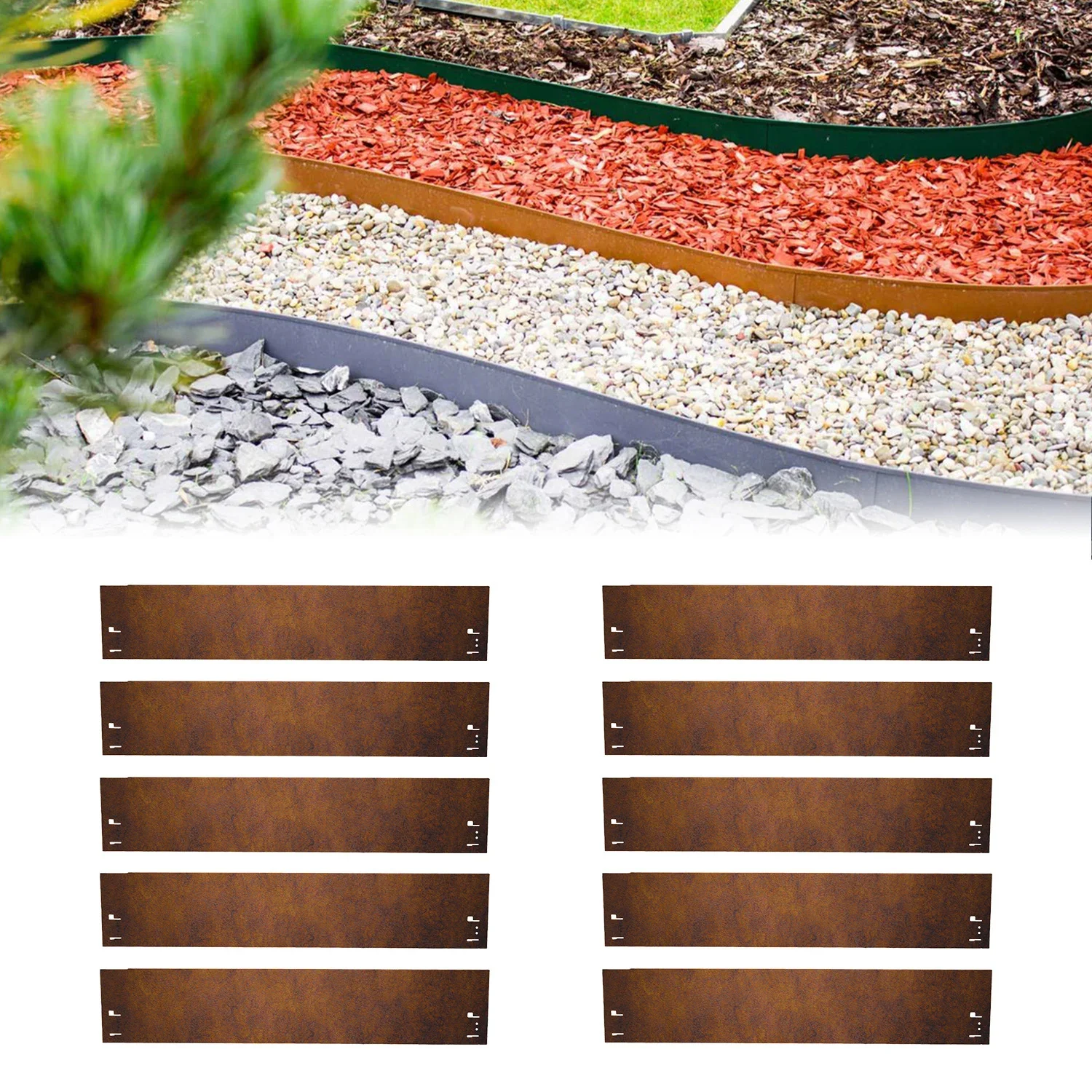
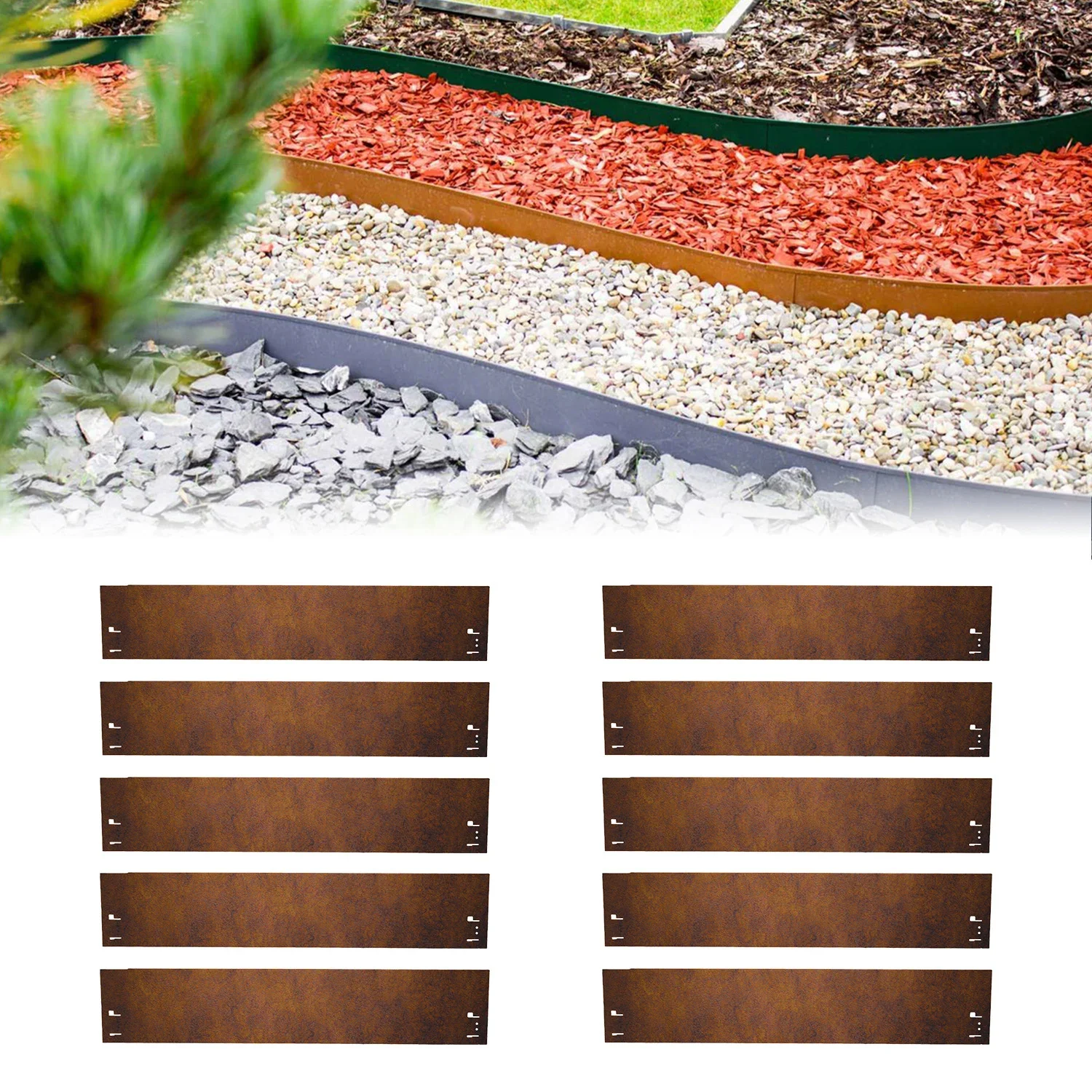
For a clear bed structure that keeps your companion planting organized, either
3. Garlic (Allium sativum)
Garlic works both below and above ground. Its sulfur compounds repel voles and many insects. Plant the cloves between strawberries, roses or carrots.
It protects against fungal diseases such as rust. Garlic is a perennial crop. Let some plants flower; they are also attractive to bees.
Important note
Strongly scented herbs such as summer savory or wormwood can inhibit the growth of sensitive neighboring plants when used in large quantities. Keep a planting distance of at least 50 centimeters and monitor their development.
Which perennials and herbs provide long-term protection?
Perennials create a lasting protective zone and form the backbone of a resilient garden. Take the time to plant them in the right spots.
4. Lavender (Lavandula)
Lavender is a classic deterrent for aphids, ants and moths. Its scent is soothing to us but unpleasant to many pests. Plant it along sunny garden bed edges, especially near roses.
Lavender also attracts beneficial insects such as bees. Prune it after flowering to keep it compact and encourage vigorous new growth.
5. Tansy (Tanacetum vulgare)
Tansy is a native wild perennial with a powerful pest-repelling effect. It deters Colorado potato beetles, carrot flies and many types of moth. Its yellow flower heads are easy to recognize.
Plant tansy at the edge of the garden because it spreads vigorously. A leaf decoction can also be used as a natural spray. Tansy is low-maintenance and hardy.
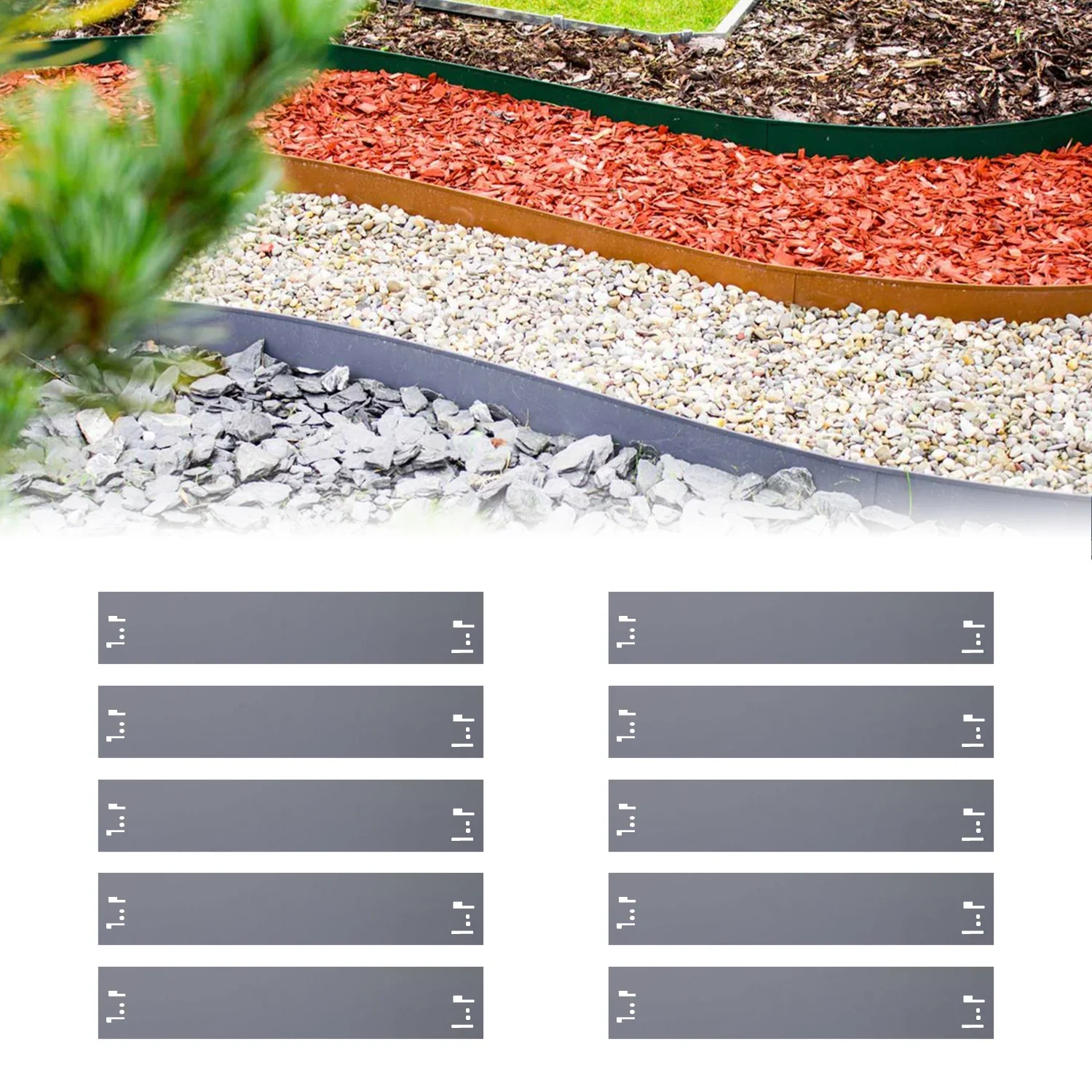
A neat garden border with
“Lavender and similar plants are not a complete solution for a serious infestation, but they provide an excellent first line of defense. They make it harder for pests to reach problem levels. A healthy garden is a complex, self-regulating system.”
6. Hyssop (Hyssopus officinalis)
Hyssop protects brassicas from cabbage white butterflies. Its strong, camphor-like scent discourages butterflies from laying eggs. Its blue-violet flowers are a valuable food source for bees.
Hyssop is a hardy, semi-woody herb. It thrives in dry, lime-rich soil and full sun, making it a great choice for herb and vegetable gardens.
Additional tip
Don’t forget flowers. Annual summer flowers such as our
— colorful asters—attract lacewings and hoverflies with their nectar. Their larvae eat large numbers of aphids. Beauty and usefulness in one.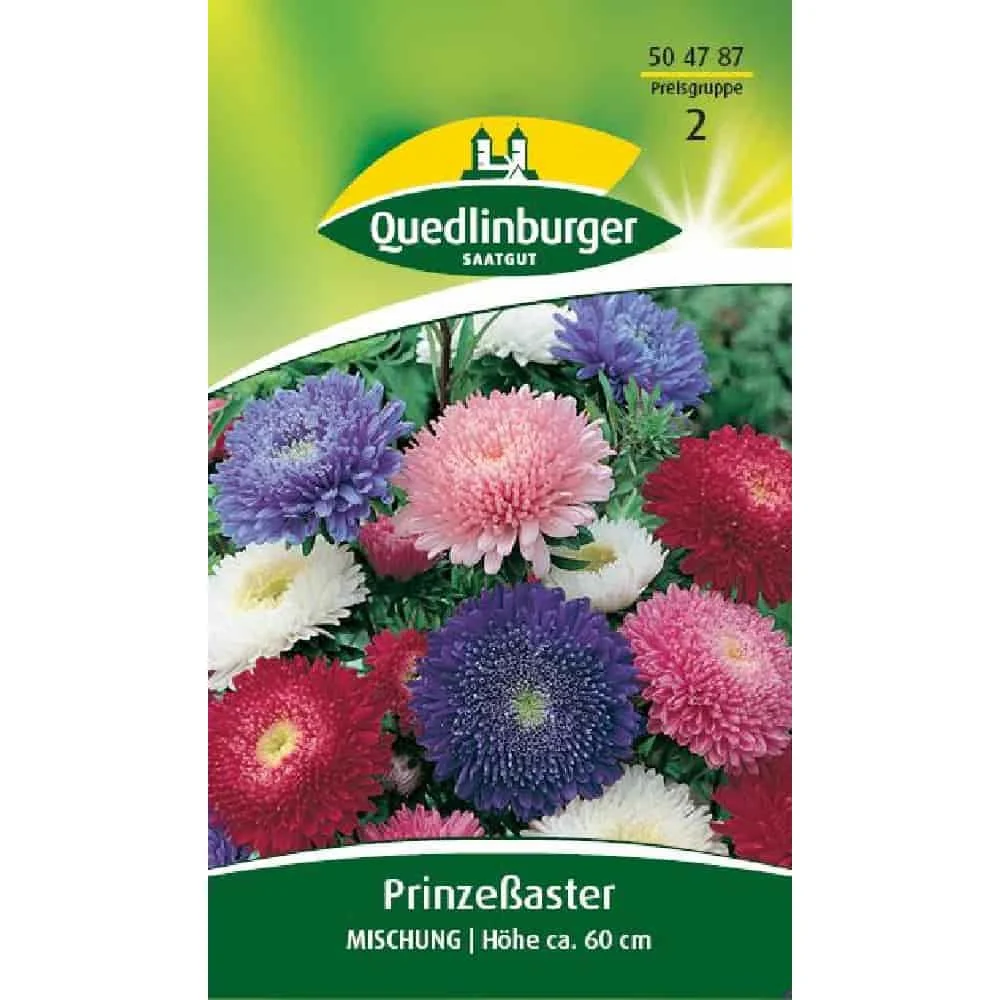
How do I add protective plants to my garden bed?
Planning is key. Sketch out your garden bed and decide which vegetables you want to grow. Then position the protective plants strategically.
Place strongly scented plants on the windward side—the side facing the prevailing wind. This helps their scent spread across the whole area. Plant low-growing species such as marigolds along the edge, and taller plants such as tansy at the back.
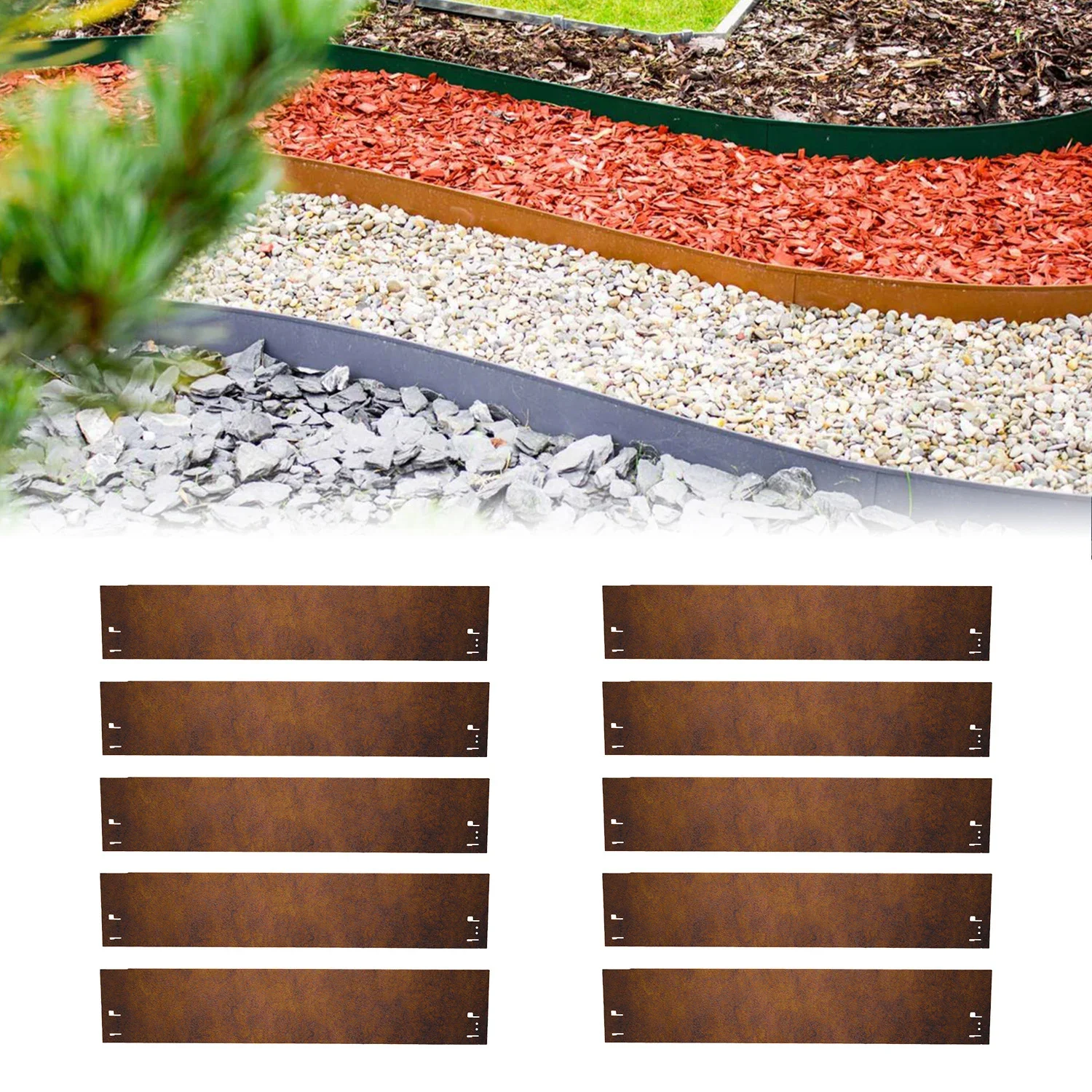
A sturdy garden border such as
7. Nasturtium (Tropaeolum majus)
Nasturtiums work as trap plants. Aphids prefer them to vegetables, so they gather on the nasturtiums and leave lettuce and beans alone.
Simply cut off infested shoots. The large seeds germinate reliably, and nasturtiums also grow well in partial shade and containers.
8. Savory (Satureja)
As its name suggests, annual summer savory protects beans from black bean aphids. Plant it right in the bean row. It also enhances the flavor of the beans.
Perennial winter savory is hardy and grows well alongside many vegetables. Both types thrive in sunny, poor soil.
9. Dill (Anethum graveolens)
Dill supports the health of cucumbers and cabbage. It attracts beneficial parasitic wasps that lay their eggs in pests. Its delicate growth takes up very little space.
Let some dill flower and set seed so it can reseed itself. Dill grows best when sown directly where it will grow.
What are the limits of natural pest control?
Plants aren’t a magic fix. In extreme weather or when a serious infestation is already underway, their protection may not be enough. You’ll need to take additional steps.
Combine mixed cropping with physical protection such as fine-mesh insect netting. This reliably keeps cabbage flies and vegetable flies away. Plants that are healthy and well nourished are also more resilient. Learn more about choosing the right organic fertilizer.
Check your garden regularly to spot problems early and take targeted action. Biological pest control is a cycle involving plants, beneficial insects and smart garden management.
Start with two or three of the plants featured here and see how they do. A nature-friendly garden develops its own resilience. Your plants will thank you.
Frequently asked questions
- Which plant keeps the most pests away?
- Marigolds (Tagetes) are considered all-rounders. Their roots release a substance that kills or repels nematodes (roundworms) in the soil. At the same time, their strong scent above ground deters many flying pests, such as whiteflies. Plant them around the edges of your beds or between vulnerable vegetables.
- Does natural pest control with plants work immediately?
- The full effect develops once the plants are mature and release their essential oils. In the case of a severe infestation, additional measures such as physical pest-control netting are advisable. A well-planned companion planting scheme is a preventative, long-term strategy for a healthy bed.
- Can I put pest-repellent plants in pots on my balcony?
- Absolutely. Many of these plants, including basil, lavender and nasturtiums, thrive in containers. Place the pots close to your crops. This allows balcony vegetables and herbs to benefit from their protective effect too. Make sure the containers are large enough and filled with good-quality soil.
- Do these plants also repel beneficial insects such as bees?
- Quite the opposite. Many of the plants mentioned, especially lavender, borage and dill, are excellent bee plants. They attract pollinators and beneficial predators such as lacewings. Their strong scent targets pests selectively, not most beneficial insects.
- Do I need to plant the protective plants again every year?
- That depends on the species. Annuals such as basil and marigolds need to be sown again. Perennials such as lavender, tansy and hyssop return year after year. Plan your bed layout with the long term in mind. Stable bed borders help maintain the structure.