
In brief: A patio awning provides shade and helps protect you from UV radiation. Choose a folding-arm, cassette or clamp awning based on your patio and mounting options. Measure carefully before you buy, and check the awning’s wind resistance. Installation requires solid wall or ceiling mounting points, careful work and often a second person.
Patio Awnings: A Complete Buying and Installation Guide
A patio awning turns your patio into a cool, shaded outdoor living space. It lets you enjoy the area for longer and protects you from strong sunlight. This guide explains how to choose the right awning, what to look for when buying one and how to install it safely.
What types of patio awnings are available?
Choosing the right type of awning is the first step toward years of reliable use. Each system has its own requirements and benefits.
Folding-arm awnings: A versatile classic
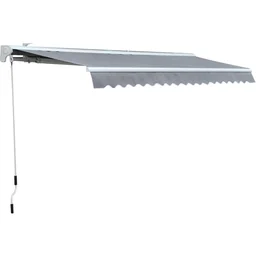
Folding-arm awnings are one of the most popular options. They have a fabric cover stretched across two folding aluminum arms. You can mount this type of awning on a wall or ceiling. The adjustable projection lets you control how much of your patio is shaded.
and are examples of aluminum folding-arm awnings. They work well on large patios and provide effective sun protection.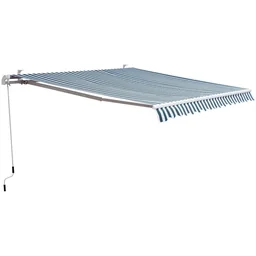
Expert tip
When planning a folding-arm awning, leave enough clearance from the patio roof or roof overhang. The arms need room to swing freely and extend fully.
Cassette awnings: Maximum protection
On a cassette awning, the fabric rolls into a fully enclosed aluminum housing. This protects it from weather, dirt and UV radiation when it is not in use. Cassette awnings are more durable, but also more expensive than open models.
Clamp awnings: An easy no-drill option
Clamp awnings such as the
can be installed without drilling. Simply clamp them to a railing or windowsill. They are a convenient choice for renters and balconies. They provide less coverage, so pay close attention to stability in windy conditions.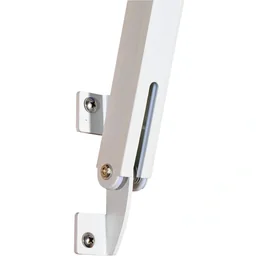
Choosing an awning means balancing function, appearance and budget. For most patios, a well-planned folding-arm awning offers great value.
How do you choose the right awning?
Once you have chosen a type, consider the specific features that affect comfort and durability.
Choosing the right size
Measure carefully. The awning should fit the available mounting space on your house wall. Its projection, or how far it extends, should shade your main seating area. An awning that is too small may not provide enough coverage.
Important note
Remember to account for the drop height when planning. The front edge of the extended awning should be high enough for people to walk underneath safely. At least 2,10 metres is a good guideline.
Fabric quality and color
Awning fabrics have a special coating. Look for strong UV resistance and water repellency. Acrylic fabric is durable and resists fading. Darker colors absorb more light and create cooler shade while fading less. The selection of tarps and netting also includes durable materials.
Operation: Hand crank or motor?
A hand crank is affordable and dependable. An electric motor makes operation much easier. You can control the awning with a remote or even your smartphone. A motor is a good choice for hard-to-reach awnings or if you want to connect it to a smart home system.
Extra features for safety and comfort
An automatic wind sensor is a worthwhile addition. It retracts the awning when the wind picks up, helping prevent damage. Sun and wind sensors can automate operation completely.
More tips
Don’t forget useful accessories. For installation, quality workshop supplies such as the
help protect your hands. A suitable patio cover can provide extra protection for your furniture.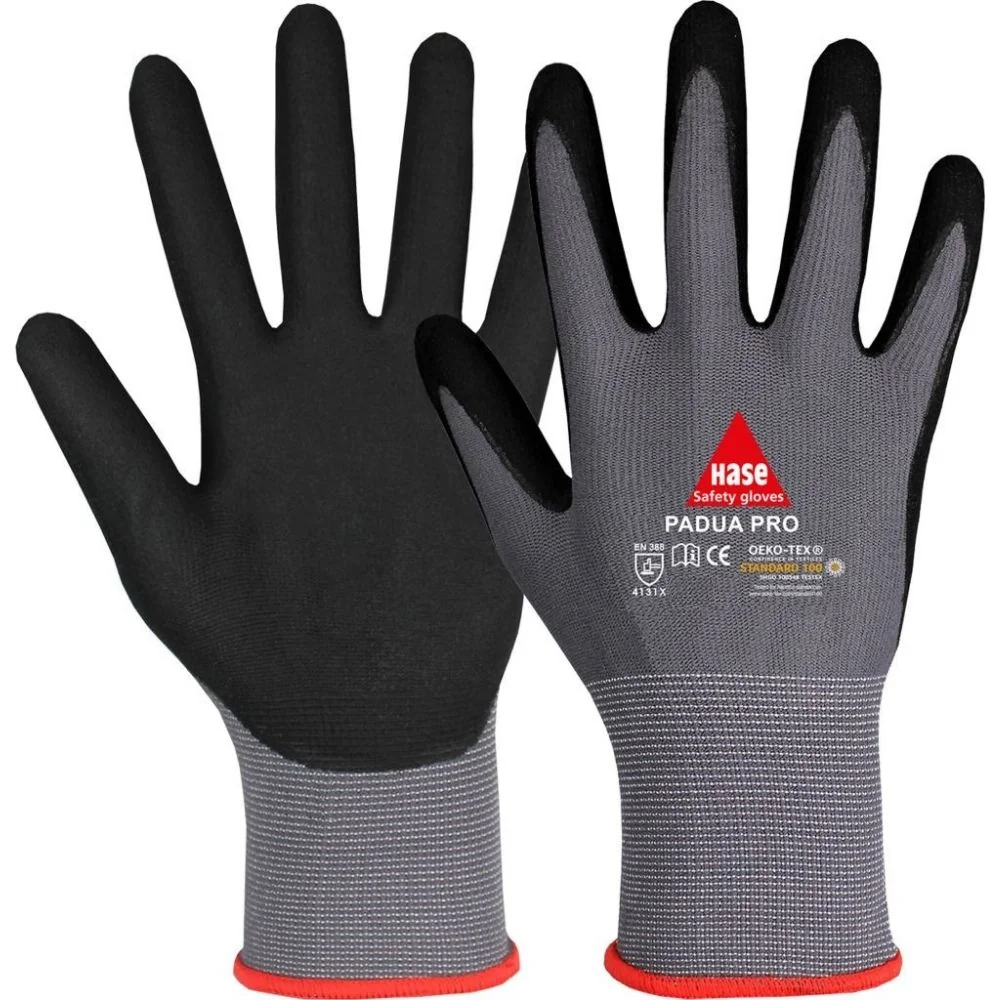
How does patio awning installation work?
Sturdy installation is essential for the safety and longevity of your awning. The following steps apply particularly to wall-mounted folding-arm awnings.
Preparation is everything
Lay out all parts according to the instructions. Check the substrate of your house wall. Solid brick or concrete is ideal. With exterior wall insulation systems, you must use special wall anchors or consult a structural engineer. Have a sturdy ladder and all the necessary tools ready.
Find useful tools and materials in our garden tools category.
Attaching the mounting rail
This is the most critical step. Hold the mounting rail against the wall and mark the drill holes, using a spirit level to make sure it is perfectly level. Drill the holes, insert the wall anchors and firmly screw the rail in place. The screws must be fully seated in the load-bearing masonry.
The most common installation mistake is failing to align the mounting rail precisely level. This causes the awning to extend unevenly, increases wear and tear, and may invalidate the warranty.
Fitting and adjusting the awning
Lift the awning—this is where a second person is essential—and place it in the brackets on the mounting rail. Secure it according to the instructions. Extend and retract the awning carefully for the first time. Check that it operates properly and adjust the end stops if necessary.
How to care for and maintain your awning
Proper care can significantly extend the life of your awning. A little regular attention is all it takes.
Regular cleaning
Clean the awning fabric at least once each season. Use a soft brush, lukewarm water and mild cleaning products. Rinse thoroughly and let the awning dry completely before retracting it to prevent mold.
Maintaining the mechanism
Fully extend and retract the awning from time to time. For manually operated models, you can lubricate the joints with a little silicone oil after extended use (not grease!). For motorized awnings, check the sensor settings regularly.
Preparing for winter
Keep the awning retracted in winter. This protects the fabric and mechanism from frost, snow loads and storms. A special cover, like one for patio furniture or our
for the patio heater, provides extra protection for the retracted cassette or fabric.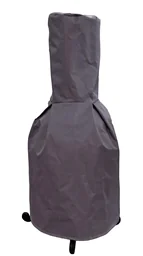
Pro tip
After winter, check that all screws and fasteners are tight before using the awning regularly again. Temperature changes can cause materials to loosen slightly.
Conclusion: How to find the perfect patio awning
Choosing the right patio awning takes careful planning. Start by assessing your patio and deciding which type of awning suits your space. Consider the size, fabric and convenience of motorized operation when making your choice.
Precise, sturdy installation is essential for safe operation. With regular, simple care, you can enjoy your shaded outdoor living space for many years. For more inspiration and accessories, browse our extensive garden and outdoor range.
Frequently asked questions
- Which type of awning is best for my patio?
- Folding-arm awnings are a classic choice for large, open patios. Cassette awnings offer better protection for the fabric and are ideal for frequent use. Clamp-on awnings are a simple solution for balconies or rental properties because they don't require drilling. Choose based on your available space, preferred operating method and budget.
- Can I install an awning myself?
- Yes, many awnings are designed for DIY installation. You'll need sturdy tools and someone to help, and you must follow the installation instructions carefully. Check in advance whether your wall or ceiling can support the weight. If you're unsure or installing a heavy model, we recommend hiring a professional awning installer.
- How much does a good patio awning cost?
- Prices vary considerably. Basic clamp-on awnings start at around 150 euros. High-quality folding-arm awnings with a motor and wind sensor cost between 800 and 2500 euros. The price depends on the awning's size, fabric quality, features and type. Be sure to factor in installation costs, too.
- How can I protect my awning from wind and weather?
- Always retract the awning in strong winds, rain or snow. An integrated wind sensor can significantly improve safety. In winter or when you're away for an extended period, a durable cover protects the retracted awning fabric from dirt and UV exposure.
- How do I care for an awning?
- Clean the awning fabric regularly with lukewarm water and mild soap. Avoid harsh cleaning products. Remove dirt and bird droppings promptly to prevent stains. Check the mechanism at least once a year and lubricate moving parts with silicone oil as needed.
You might also be interested in
- Patio and balcony shade: How to choose the right awning
- How to clean an awning: Tips for keeping it clean longer
- Build your own patio cover: Step-by-step guide
- Shade sail review and comparison 2026: Top models tested in real-world conditions
- How to install a side awning for effective garden shade
- Patio and garden shade ideas