
In brief: The right tool is essential for perfect lawn edges. Use a cordless trimmer with sharp blades for a clean cut. Trim in spring to shape the edge, in summer for maintenance every 2-3 weeks and in autumn for the final shaping cut. Replace blunt blades immediately.
A lush green, freshly mown lawn is the centrepiece of many gardens. But one crucial detail is often missing from the perfect finish: a razor-sharp lawn edge. Frayed grass blades spreading into flower beds spoil the overall look and can make even the best-maintained garden appear untidy. The solution lies in using the right tool and technique. This guide shows you how to create clean lines all year round with a cordless trimmer and the right blades.
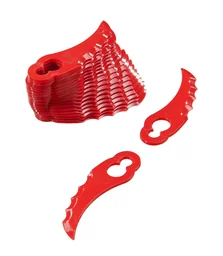
The key to a precise cut is not just the device itself, but above all its cutting tool. A blunt or damaged blade tears the grass instead of cutting it cleanly. The result is unsightly brown tips and a ragged edge. So invest in high-quality blades. With the replacement blades for cordless trimmers, you always have a sharp replacement to hand. Their curved shape provides an optimal cutting angle and high efficiency, even when tackling denser grass along the edge.
Why are clean lawn edges about more than just appearance?
A defined edge is the calling card of your garden. It acts like a picture frame, highlighting the green lawn and separating it from flower beds, paths or the patio. This clean finish gives the entire outdoor area structure and a professional appearance. But the benefits go far beyond aesthetics.
From a practical perspective, a clean edge prevents the lawn from spreading uncontrollably into adjacent areas. Grass roots, especially those of robust varieties, constantly seek out new paths. Without a clear barrier, they quickly spread into flower beds, undermine paving slabs or take over mulched areas. Regular edging effectively stops this spread. It reduces the effort required for weeding and keeps your beds free of unwanted grass. Maintaining the entire garden becomes easier and less time-consuming.
A well-maintained lawn edge is the finishing touch to any good garden design. It creates order, draws the eye and shows the care invested in the garden.
The right tool: blades, line or an edger?
There are several tools available for cutting lawn edges. The right choice depends on the size of your garden, the condition of the edges and your personal preferences. Modern garden tools make the job easier than ever.
The cordless trimmer: Your flexible helper
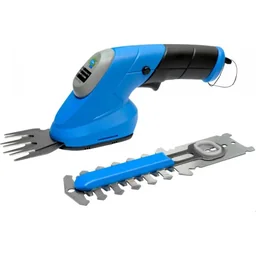
Modern cordless trimmers are all-rounders for lawn-edge maintenance. Without an awkward cable, they offer maximum freedom of movement and reach every corner of your garden with ease. Cordless trimmers have a wide range of uses: they are perfect for trimming along walls and fences, around trees and, of course, for defining lawn edges. Models such as the 2-in-1 cordless shrub shears / grass trimmer even combine several functions in one device, offering excellent value for money. You can find a wide selection of powerful helpers in our power tools category.
Blades vs. line: Which cuts better?
The key question when choosing a trimmer is often: line or blade? A line head is flexible and gives way when it comes into contact with hard obstacles such as stones or walls. This protects the device, but often results in a less clean finish, as the grass blades are struck rather than cut. The line also wears out quickly.
Plastic blades, on the other hand, offer a decisive advantage: they deliver a sharp, clean cut. Like a small sickle, they cut the grass precisely. This is gentler on the plant and creates a clean edge that stays attractive for longer. For most standard applications along flower beds and paths, a blade is the superior choice. That is why these replacement blades are the perfect addition to your trimmer.

How do you cut the perfect lawn edge step by step?
With the right preparation and technique, you can achieve professional-looking results. Simply follow these steps to create an immaculate edge.
Preparation is everything
Always start by mowing the lawn. A freshly mown surface gives you a clear view of the edge and sets the correct height. Then remove any coarse dirt, small stones or fallen branches from the edge to protect your trimmer blade and ensure safe working.
The right technique with a cordless trimmer
For a razor-sharp line, hold the trimmer so that the blade rotates vertically to the lawn edge. Many devices have a pivoting head that makes it easier to achieve this position. Guide the trimmer calmly and evenly along the edge. Move slowly and let the blade do the work. Do not press too hard, as this can create an uneven line or damage the turf.
Important note
Always wear safety glasses and sturdy footwear when working with a grass trimmer. Small stones or pieces of wood can be thrown up by the rotating blade and cause injuries.
Finishing touches for an immaculate result
After trimming, collect the loose grass clippings with a rake or leaf vacuum. This prevents the clippings from being left on paths or rotting in the flower bed. In very dry weather, you can give the freshly cut edge a little water with a watering can. This helps the grass recover from cutting more quickly. You can find everything you need for garden watering in our Plumbing + Irrigation department.
Cutting Lawn Edges: When Is the Best Time? (Seasonal Guide)
Lawn edge maintenance is not a one-time task—it is something you do throughout the gardening year. Choosing the right time to cut is essential for consistently great results.
- Spring: After the first lawn mowing of the year is the ideal time for the first thorough edge cut. Spring lawn care lays the foundation for the entire season. Define the edges precisely now, and you will only need to touch them up later.
- Summer: During the main growing season from May to August, regular maintenance is essential. Depending on the weather and growth rate, trim the edges every two to three weeks. This keeps them looking consistently neat and prevents the grass from spreading into the flower beds.
- Fall: Make the final cut before the first frost. A clean finish helps the lawn get through winter well and reduces the surface area vulnerable to fungal diseases in damp, overgrown grass.
- Winter: Grass growth is dormant during the cold season. No cutting is necessary.
How Can You Tell When Your Trimmer Blades Need Replacing?
Even the best blades become dull or damaged over time. Replacing them promptly is essential for the quality of your work and the health of your lawn. Look out for the following signs:
- Frayed grass blades: A clear sign of a dull blade. Instead of being cut cleanly, the grass is torn, resulting in brown, unhealthy tips.
- Increased vibration: An imbalance caused by a nick or bent blade can lead to stronger vibrations in the tool. This makes the work uncomfortable and puts extra strain on the motor.
- Visible damage: Regularly check the blade for cracks, deep nicks, or broken sections. A damaged blade is a safety risk.
- Reduced cutting performance: If you have to go over the same area several times to achieve a clean result, the blade has lost its sharpness.
Pro tip
Clean grass clippings and dirt from your trimmer blade after every use. This helps prevent corrosion and keeps the blade sharp for longer. A drop of resin remover or machine oil also provides additional care.
Always keep a set of replacement blades, such as these replacement blades, close at hand. That way, you can change them immediately when needed without interrupting your gardening work. You can find the right blades and tools in our online store.

Long-Lasting Solutions: Metal Lawn Edging as a Smart Alternative
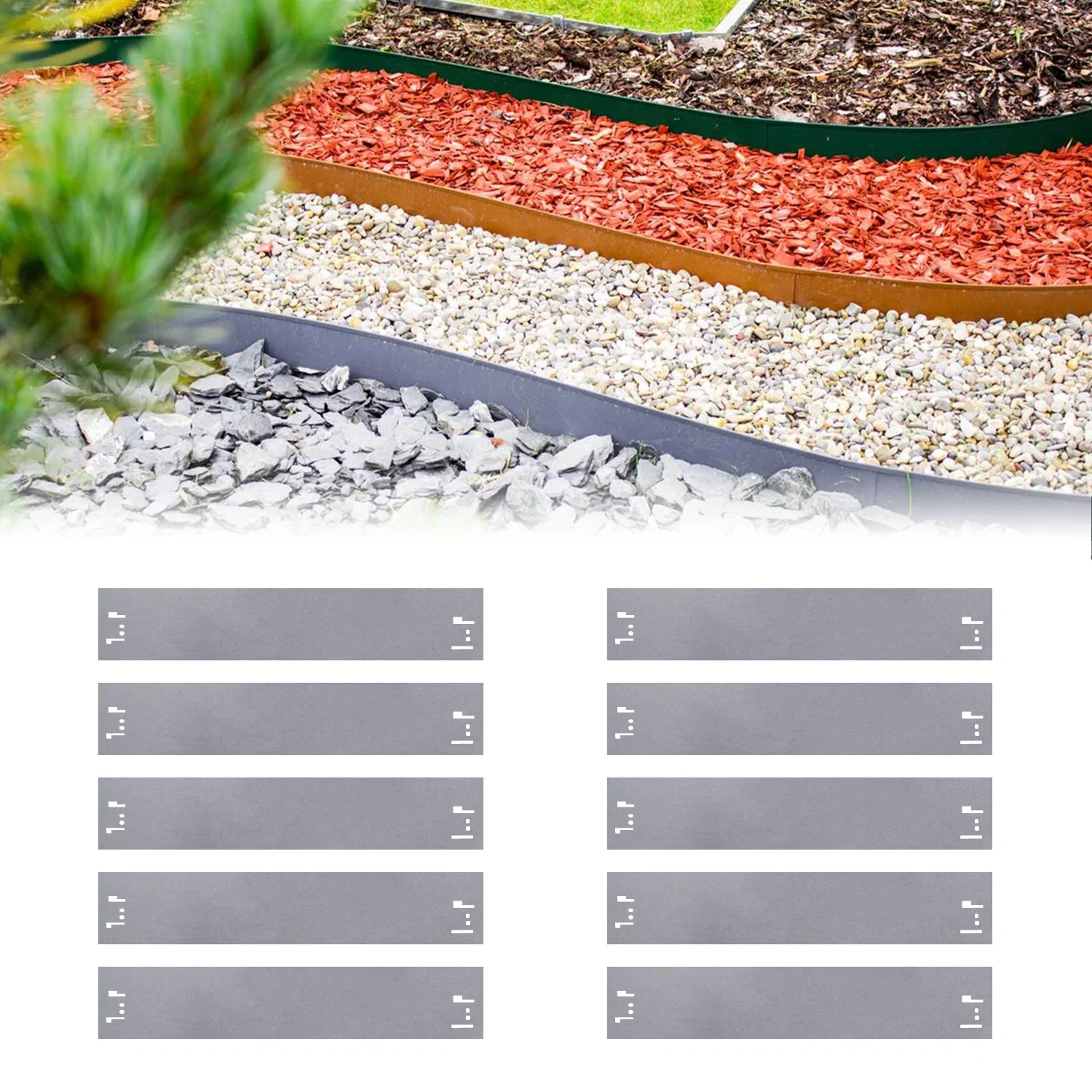
If you want to reduce the maintenance required for your lawn edges in the long term, permanent flower bed edging is the ideal solution. It creates a durable physical barrier between the lawn and flower bed. Constant trimming to correct the edge lines is no longer necessary; you only need to cut back overhanging grass blades.
Metal lawn edging is particularly durable, weather-resistant, and easy to install. It can be adapted flexibly to curved or straight layouts. For taller flower beds or a more pronounced border, the
Additional tip
Loosen the soil along the planned edge with a spade before inserting the metal edging. This makes installation much easier. A rubber mallet helps protect the material when hammering it in.
This type of edging provides the perfect guide for your lawn trimmer. Simply guide the tool along it to achieve a perfectly straight, clean line with ease. Combining permanent edging with a trimmer fitted with a sharp blade is the ultimate way to achieve consistently perfect results.
Good gardening is all about consistency. An edge that has been created perfectly will only stay beautiful with regular care. Make edging a regular part of your mowing routine.
With the right technique, seasonal schedule, and tools, nothing stands in the way of perfect lawn edges. A sharp blade on your cordless trimmer is your most important ally for a garden that looks impressive in every detail.
Frequently Asked Questions
- How often should I trim my lawn edges?
- Shape them in spring and autumn, and every 2 to 3 weeks during the main growing season in summer. Adjust the frequency to the growth of your lawn to keep it looking neat.
- Trimmer blade or line—which is better?
- Plastic blades often provide a cleaner cut and are more resistant to thicker grass. Line is more flexible around obstacles such as stones, but wears out faster and can tear grass rather than cut it.
- Can I cut vertically with a grass trimmer?
- Yes, many cordless trimmers have a swivelling head that makes vertical cutting along edges easier. This technique creates an especially sharp, well-defined line between the lawn and a flower bed or path.
- How can I tell if a trimmer blade is blunt?
- You can identify a blunt blade by frayed grass blades instead of a clean cut. The trimmer may also become louder or vibrate more strongly because the motor has to work harder.
- Do I need special metal lawn edging?
- Metal lawn edging is not essential, but it makes maintenance much easier. It creates a permanent, clear division, reduces grass encroachment and acts as a guide when trimming.
You might also be interested in
- Changing a Grass Trimmer Blade: When & Why? All the Signs
- How to Cut Perfect Lawn Edges: The Ultimate Guide
- Smooth Garden Edges: Trimming Tips with the Right Blades
- Buying Lawn Edging: The Ultimate Guide for Your Garden
- A Clear Garden Edge: The Best Time for Lawn Edging & Edging Grids
- Enjoy Your Lawn Edging for Longer: Care & Cleaning Tips