
In brief: When fish gasp for air in a pond, there is usually not enough oxygen. Remove dead plant matter, shade the water surface and immediately circulate the water with a pump, fountain or aerator. Also check the water temperature, fish stock, algae and rotting sludge. If many pond fish are affected, take action the same day.
Direct answer: When fish gasp for air in a pond, there is usually not enough oxygen. Remove dead plant matter, shade the water surface and immediately circulate the water with a pump, fountain or aerator. Also check the water temperature, fish stock, algae and rotting sludge. If many pond fish are affected, take action the same day.
When pond fish stay at the surface and repeatedly gasp for air, they are responding to acute stress. Low oxygen is the most common cause, but it is not the only one. Nitrite, ammonium, gill disease or pollutants can trigger similar behaviour.
So first observe the entire pond. If many fish show symptoms at the same time, this points more towards a water quality problem. If only one fish is showing unusual breathing movements, also check its health.
Why are fish gasping for air in the pond?
Fish do not take oxygen from the air but absorb it from the water. Their gills filter the water while the dissolved oxygen passes into the bloodstream. When oxygen levels fall, many pond fish swim to the surface because this is where exchange with the atmosphere is strongest.
This behaviour often looks like the fish are opening and closing their mouths. They stay just below the water surface, move their gill covers rapidly and become increasingly slow to react when approached. In severe cases, they may roll onto their sides or gather at the pump outlet.
How can you recognise true oxygen deficiency?
- Several fish are affected: Goldfish, koi or other pond fish show the behaviour at the same time.
- The symptoms begin early in the morning: After a long night, the oxygen reserve is often at its lowest.
- The fish avoid deeper areas: They stay near the inlet, fountain or other areas with moving water.
- The gills are working rapidly: This is particularly noticeable in fish that are otherwise swimming calmly.
- The water surface remains still: A warm, windless night makes the problem worse.
A single fish at the surface is not proof of low oxygen. Check whether the other animals are swimming normally and whether the pump is working. Fish with damaged gills may also gasp for air when oxygen levels are sufficient.
“Warm water can hold less oxygen than cold water.”
Water temperature therefore affects every measurement. A level that is sufficient at 15 degrees Celsius may not provide an adequate reserve at 28 degrees Celsius. Measure oxygen particularly early in summer and check the temperature at the same time.
What causes low oxygen levels in a pond?
Low oxygen occurs when consumption exceeds replenishment. Fish, bacteria, plants and algae consume oxygen. Wind, water movement and daylight add fresh oxygen.
High water temperatures
Warm water holds less oxygen than cold water. At the same time, higher temperatures increase the metabolism of fish and microorganisms. The animals then need more oxygen while the water can store less of it.
A shallow pond zone heats up particularly quickly on sunny days. A dark liner, a lack of shade and a completely enclosed water surface intensify the warming. The situation becomes critical after several hot days with little wind.
Too many fish and too much food
Every fish puts a strain on the water. Koi grow large and produce significantly more waste than a few small goldfish. When planning your stocking level, consider the adult size rather than the length of the young fish at the time of purchase.
Uneaten food sinks to the bottom and is broken down by bacteria. This decomposition uses oxygen and increases the levels of ammonium and nitrite. Only feed as much as the fish can eat within a few minutes.
Algal blooms and dead plants
Algae and aquatic plants produce oxygen in daylight. At night, photosynthesis stops and they consume oxygen themselves. A dense algal bloom can therefore greatly reduce oxygen levels by morning.
If a large amount of algae suddenly dies, bacteria decompose the biomass. This process removes additional oxygen from the water. Regularly remove dead algae, leaves and plant matter with a net.
Rotting sludge on the pond bottom
Leaves, uneaten food, dead plants and fine suspended matter collect on the bottom. Over time, this forms a thick layer of sludge. Microorganisms break down this material and consume oxygen in the process.
Rotting sludge can often be identified by dark deposits, a rotten smell and rising gas bubbles. Remove the sludge in sections. If you suddenly stir up the entire bottom, nutrients and oxygen-poor water will enter the whole water column.
Equipment that has failed or is incorrectly adjusted
A dirty pump, blocked filter or kinked hose can significantly reduce water movement. A return flow that ends below the surface also adds less oxygen than a freely splashing outlet.
First check the power supply, pump impeller, filter media and hose connections. Clean filter media with pond water removed from the pond, not under chlorinated tap water. This protects the beneficial bacteria in the filter.
The combination of several factors is particularly risky:
- hot days and warm nights
- a large number of fish in relation to the pond volume
- dense algae or completely overgrown water surfaces
- large amounts of organic material on the bottom
- no functioning pump or aeration system
What helps immediately when pond fish are gasping for air?
Act immediately if several fish are hovering at the surface. Every minute of severe oxygen deficiency increases the risk of permanent gill damage and fish losses.
- Move the water: Switch on the pond pump, fountain or aerator. Position the return flow so that the surface visibly ripples or the water runs over a short edge.
- Check the equipment: Make sure water is actually circulating. Remove coarse dirt from the intake basket and filter, straighten any kinks and check the hose for cracks.
- Clear the surface: Remove dead algae, leaves and plant debris with a net. Leave enough open water surface so that wind and water movement can add oxygen.
- Shade the pond: Temporarily stretch suitable shade cloth over the pond or use an existing cover. Do not shade the entire pond, so the fish still have enough light and open surface area.
- Pause feeding: Do not feed the fish for at least 24 hours. They can easily cope with this break, while additional uneaten food would further reduce water quality.
- Change some of the water: If the fish are severely stressed or water parameters are abnormal, change around 10 to 30 percent of the water. Match the temperature and treat tap water to remove chlorine and chloramines.
Pro tip
Check oxygen levels early in the morning, before the sun starts photosynthesis. If the fish remain calm and are also distributed through deeper areas, the aeration is working adequately. A visible surface film or strong water movement in just one spot, however, is not always enough.
For an existing pond pump, the 25-mm pressure hose, 4 m,
may be suitable if the pump connection and hose diameter match. For longer runs between the filter and outlet, use the 8-m pressure hose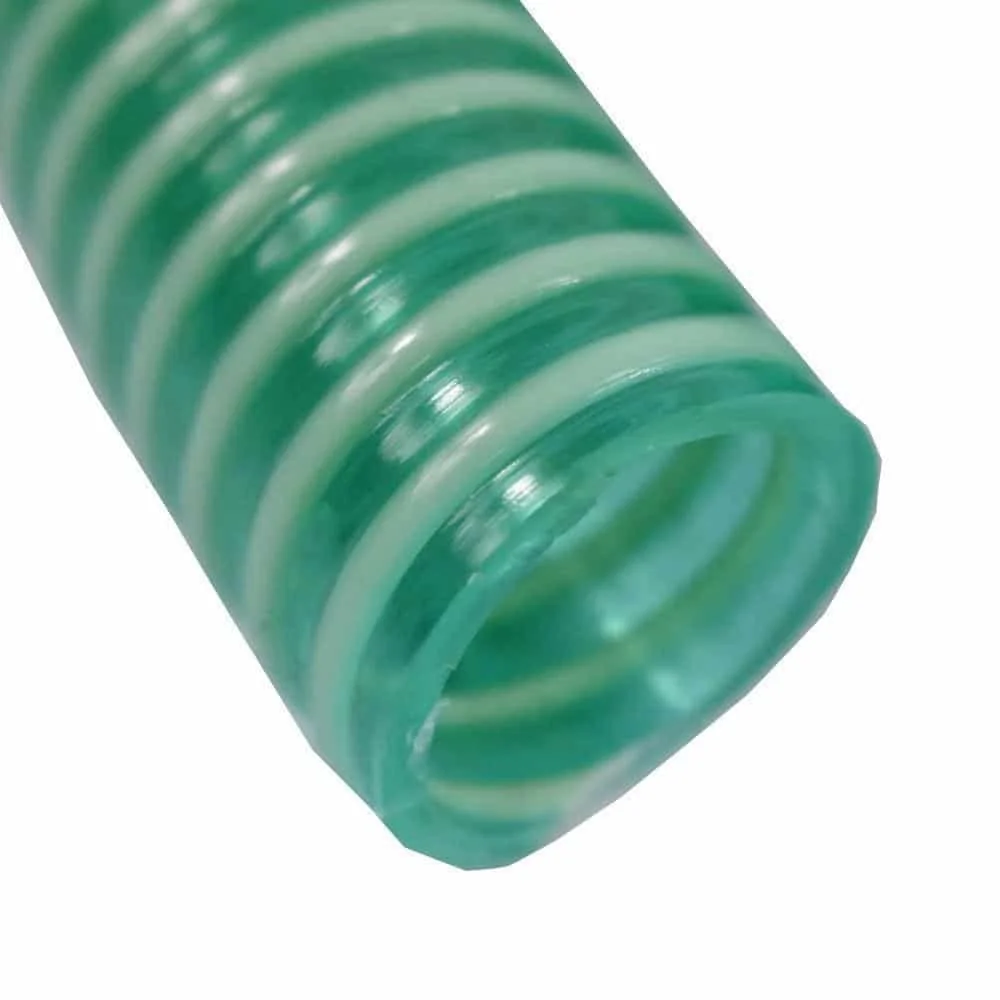

Lay the hose without tight bends and protect it from sharp edges. A larger hose diameter reduces pressure loss with many pumps, but it cannot replace a correctly sized pump or aeration system.
Important note
Do not carry out a complete water change as the first measure. Large temperature and pH fluctuations put additional stress on the fish. Never add untreated chlorinated tap water directly to the pond, and only use medication, salt or algae treatments after a reliable diagnosis.
After the initial stabilisation, observe the fish for at least one hour. If they are swimming normally again, still investigate the cause that same day. A temporary improvement may only mean that water movement has bridged the acute oxygen shortage.
How do you check oxygen levels and water quality?
The water surface only shows the fish's behaviour, not the actual oxygen level. A water test provides clarity. In an emergency, a drop test is suitable; a calibrated electronic oxygen meter with a probe provides more accurate results.
Measure at the right time
Measure in the morning before sunrise or shortly afterwards. By then, fish, plants and microorganisms have largely used up the night's oxygen reserve. Repeat the measurement after aeration to check how effective the measure has been.
Do not take the sample directly at the pump outlet. The local water movement may make the reading significantly better than in a calm area of the pond. Also measure in the centre and, if possible, near the bottom.
As a rough guide, levels of around 5 mg/l or more provide many pond fish with a good reserve. Below about 3 mg/l, fish may show significant stress; below about 2 mg/l, the acute danger increases. Fish species, temperature, pond depth and the time of measurement affect the assessment.
Check more than just oxygen
If the fish continue gasping for air despite aeration, test other water parameters. Nitrite and ammonium in particular can damage the gills and impair oxygen transport in the blood.
- Temperature: High temperatures reduce the oxygen reserve and increase metabolism.
- pH level: A high pH level increases the proportion of more toxic ammonia when ammonium is present.
- Ammonium and ammonia: Both values indicate an overloaded biological filter or too much organic material.
- Nitrite: Nitrite can block oxygen uptake in the blood, even when the water contains sufficient oxygen.
- Carbonate hardness: Sufficient buffering keeps the pH level stable and supports biological filtration.
Clear water does not automatically mean good water quality. Fine pollutants, nitrite or low oxygen levels often remain invisible. If the fish are behaving unusually, rely on test results rather than the colour of the water.
When is illness the cause?
If only one fish is affected, examine it from a safe distance. Clamped fins, white patches, reddened gills, mucus, rubbing against objects or a sunken body indicate an additional health problem.
If the symptoms persist after adequate aeration and stable water parameters, have a water sample and, if necessary, an affected fish examined. A qualified veterinary practice or fish health service can distinguish between gill parasites, bacterial diseases and poisoning.
How can you prevent oxygen depletion through pond maintenance?
Good pond maintenance prevents most acute oxygen problems. You do not need a constantly visible stream of water, but you do need a system with an appropriate number of fish, an open water surface, a clean bottom and reliable water movement.
Plan fish stocking and pond volume realistically
Calculate the actual water volume. Subtract the space occupied by stones, plant baskets and marginal areas. Take the adult size of the fish and the additional load caused by feeding into account.
Do not stock a small pond with large koi. These fish need plenty of space, powerful filtration and a consistently high oxygen supply. A few goldfish have different requirements from a larger koi population.
Introduce new fish slowly and check the water parameters after each addition. If nitrite levels rise or the fish behave unusually on warm mornings, the stock is too large for the existing equipment.
Keep plants and algae in balance
Pond plants belong in every natural-looking pond, but they do not replace aeration. Keep at least a large part of the surface clear. Regularly remove excess floating-leaved plants and cut back dead stems before they fully decompose.
Remove string algae early. Do not wait until it covers the entire pond. After a major algae bloom, check the oxygen level for several days in the early morning, as dead biomass can cause a delayed drop in oxygen.
Reduce leaves and organic matter
Leaves in autumn provide a great deal of material for later decomposition. Remove larger quantities with a pond net or protect the water surface with a suitable net. The tear-resistant, UV-stable pond protection net 3 x 6 m,
, can keep leaves and larger pieces of plant matter out of the water.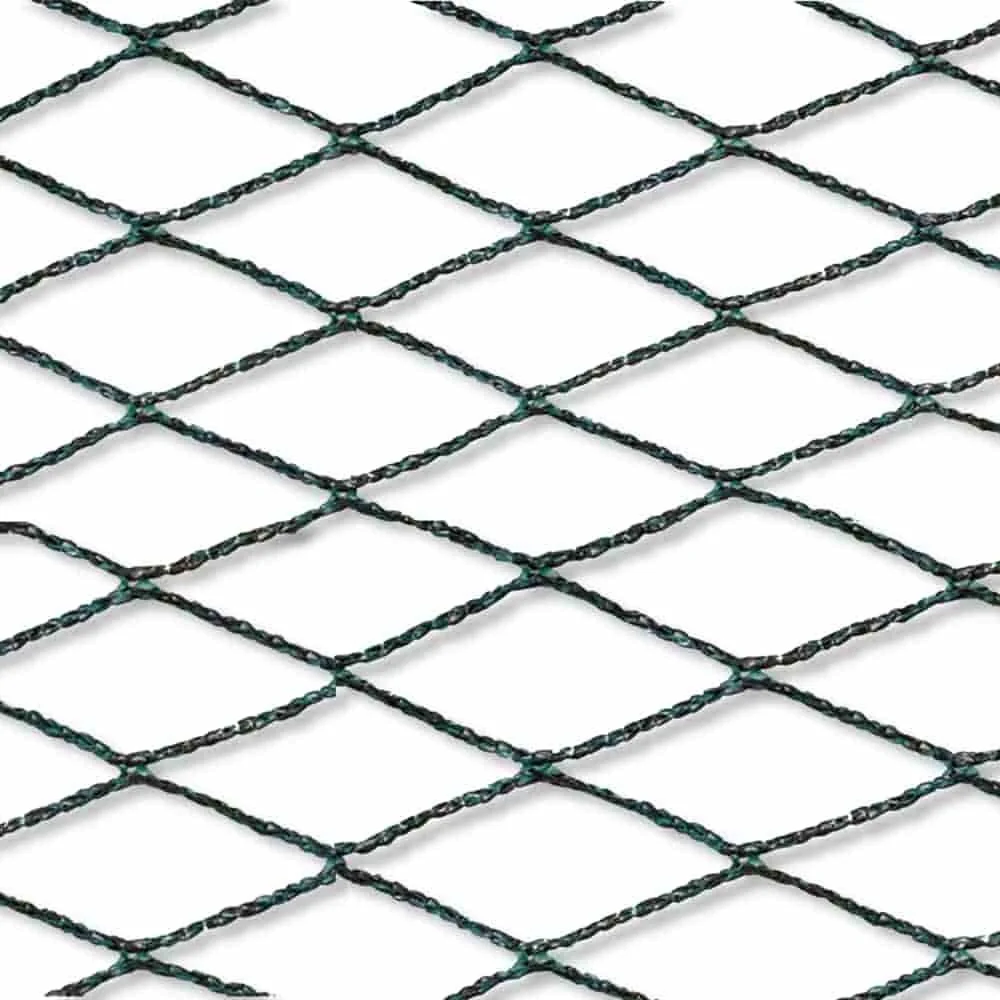
You can find suitable accessories in the pond netting category. Stretch the net so that it does not rest on the water surface. Check it regularly and remove leaves to prevent a heavy layer of wet material from forming.
Feed fish in moderation
Only feed your fish when the water parameters are stable and the temperature is high enough. Give them small portions and check whether they eat everything. Stop feeding during hot weather, oxygen depletion or unusual behaviour.
Leftover food does not belong in the pond. It sinks, encourages bacterial growth and increases oxygen consumption. Clean feeding areas and remove uneaten pellets after a few minutes.
Clean the pond gradually
Remove sediment and plant debris in stages. Cleaning the entire pond in one day can disrupt the biological balance and release a large amount of bottom sludge all at once.
Clean filter media only as thoroughly as necessary. Rinse it in a bucket of pond water to preserve beneficial bacteria. Do not replace all filter media at the same time.
Additional advice
Keep a brief pond diary in summer. Record the temperature, oxygen level, pH level, feeding, weather and any unusual behaviour. After a few weeks, you will see whether the fish tend to gather at the surface particularly after warm nights, thunderstorms or filter cleaning.
Which equipment keeps the pond oxygen-rich?
A pump and an aerator perform different tasks. The pump transports water through a filter, stream or fountain. The aerator introduces fine air bubbles into the water through air stones, increasing the contact area between the water and the atmosphere.
Use water movement correctly
A fountain can effectively agitate the surface if its output is suitable for the pond. A return outlet or stream also adds oxygen. The key is to ensure that the water does not simply circulate below the surface.
Position outlets so that no calm, isolated zones form. In deep ponds, a surface pump alone may not be sufficient. An additional aerator in the deeper area distributes oxygen where fish often seek shelter during hot weather.
Check equipment before every warm-weather period
Check pumps, hoses and air stones before summer. Remove limescale, algae and deposits. Replace porous hoses before they fail during a heatwave.
For air and pump accessories, you can browse the compressed air technology category. For every component, check the actual diameter, delivery head and output of your pump. A suitable connection prevents leaks and unnecessary pressure loss.
Plan pond maintenance according to the season
- Spring: Remove winter debris, check the filter and pump, and measure oxygen, pH and nitrite before feeding regularly again.
- Summer: Check oxygen levels on hot mornings, shade the water surface and increase aeration if necessary.
- Autumn: Remove leaves, cut back dead plants and stretch a pond net over vulnerable areas.
- Winter: Keep a small area free of ice if the equipment is suitable for this purpose. Do not break the ice by force.
A pond net from the pond netting category makes autumn maintenance easier. For aeration and cable routing, you can find additional solutions in the compressed air technology category.
“Water movement promotes gas exchange and distributes oxygen throughout the pond.”
When pond fish gasp for air, treat this behaviour as a warning sign. Start aeration, agitate the surface, remove organic matter and check the water parameters. If the problem persists despite a stable oxygen supply, look for nitrite, ammonium, pollutants or disease.
By measuring regularly, feeding in moderation and maintaining your equipment, you can detect critical changes early. This keeps pond maintenance manageable and ensures your fish have enough oxygen even on hot days.
Frequently Asked Questions
- Why are fish gasping for air in the pond?
- Fish usually gasp for air because the oxygen level in the water is too low. Common causes include heat, a cold, still night, too many fish, dying algae, rotting sludge or a failed pump. Nitrite, ammonia, gill disease and pollutants can also cause this behaviour.
- What helps immediately with low oxygen levels in a pond?
- Start aeration immediately or let the pumped water flow back over the surface. Remove dead leaves and string algae, shade the pond and stop feeding temporarily. If the fish are severely stressed, change part of the water using temperature-matched, treated tap water.
- How much oxygen do pond fish need?
- Pond fish need oxygen-rich water at all times. As a practical guide, levels of around 5 mg/l or more provide many species with a good reserve, while levels below 3 mg/l can cause stress. Temperature, fish species and the time of measurement affect the assessment. Measure early in the morning before aeration.
- Do pond plants produce oxygen at night?
- Yes. Plants produce oxygen in the light, but they also consume it at night, just like fish and microorganisms. A dense algal bloom or large quantities of dead plants can therefore cause oxygen levels to drop significantly. Leave some open water for gas exchange and combine plants with reliable water movement.
- What should I do if fish continue gasping for air despite aeration?
- If the fish continue to stay at the surface despite adequate aeration, check the nitrite, ammonium and pH levels. Gill damage, parasites, chlorine or other pollutants are also possible causes. Keep a sample of the pond water for analysis and, if the problem persists, contact a veterinary practice or fish health service.
You may also be interested in
- Keeping fish in a garden pond – How to keep them in a species-appropriate way
- Green pond water: Causes and solutions for clear water
- Keeping koi in a garden pond: The most important tips for healthy carp
- Solving garden pond problems: How to control algae and cloudy water
- Choosing the right pond pump size: How to calculate the required capacity
- Amphibians in the garden pond: Creating and protecting a suitable habitat