
In brief: Pool chlorine is safe for people when used at the correct concentration, but it can irritate the skin and eyes of sensitive individuals. Chlorinated water can also be a problem for dogs and plants: dogs may develop stomach problems after drinking it, while chlorine compounds and changes in pH can damage plants. Proper pool maintenance and avoiding direct contact are key.
Pool chlorine: What does it do to your health?
Chlorine reliably kills bacteria, viruses and algae in the pool. This disinfection helps protect you from illness. However, treating pool water with chemicals can also have side effects on the human body.
The most common complaints are red eyes and dry, itchy skin. The chlorine molecules themselves are often not to blame; so-called chloramines are usually the cause. They form when chlorine reacts with organic substances such as sweat, urine or skin cells.
"Chloramines are volatile compounds that enter the air above the water surface and can irritate the airways and mucous membranes. Good ventilation in the pool area is therefore important."
These irritations can be more severe in people with sensitive skin or pre-existing respiratory conditions such as asthma. Correct dosing and regular checks of chlorine levels are essential to minimize exposure.
Important note
Avoid contact with pool water if you have open wounds. Chlorine can delay healing and irritate injured tissue. Shower thoroughly before and after swimming to rinse chlorine residue from your skin.
How to prevent chlorine reactions
You can help maintain good pool water quality. Test the chlorine level at least twice a week using reliable test strips or a digital meter. The ideal range for free chlorine is between 0,3 and 0,6 mg/l.
Good personal hygiene for all swimmers is the best way to limit chloramines. Always shower without soap before swimming. This washes away most sweat and skin particles before they enter the water.
After swimming, rinse off chlorine residue with clean water and apply moisturizer. Special after-swim lotions or simple, nourishing body lotions help the skin rebuild its protective barrier.
Is pool water dangerous for dogs?
Many dogs love splashing in the pool or diving after balls. However, cool pool water carries risks. The greatest danger is accidentally drinking a large amount.
Chlorinated water irritates the mucous membranes in your dog's mouth and digestive tract. Symptoms include drooling, vomiting, diarrhea or loss of appetite. Small dogs and puppies are particularly at risk because of their low body weight.
Additional advice
Always provide your dog with a bowl of fresh drinking water in a shady spot in the garden. A thirsty dog will be less tempted to drink pool water. Check the water bowl several times a day.
Chlorine can also affect your dog's skin and coat. It strips natural oils from the coat, making it look dull and potentially causing itching. Always rinse your dog thoroughly with clean water from the garden hose after contact with pool water.
Then dry your dog thoroughly. Pay particular attention to the sensitive areas between the paw pads and inside the ears. You can find suitable accessories for post-swim care in our Garden & Plant Accessories category.
First aid for your four-legged friend
If your dog has drunk a lot of pool water, offer fresh water right away. This dilutes the chlorine in the stomach. Monitor your dog's behavior closely.
If your dog shows signs of discomfort, contact your vet immediately. Keep the phone number for the veterinary emergency service readily available. Quick action is essential.
Why can't plants tolerate pool water?
Plants have sensitive roots and leaf structures. Chlorinated water can act like an aggressive cleaning agent. Chlorine compounds attack cell walls and interfere with vital photosynthesis.
The result can be scorched, brown leaf edges, wilting foliage and, in the worst case, the death of the entire plant. Young plants, seedlings and sensitive species such as ferns or hydrangeas are particularly at risk.
"Chlorine is a stress factor for plants. It not only damages tissue directly but can also block the uptake of essential nutrients such as iron and manganese, leading to deficiency symptoms."
Another problem is the pH level. Pool water is often adjusted to alkaline levels (pH 7,2 - 7,6) to optimize the effect of chlorine. However, most garden plants prefer slightly acidic to neutral soil. Alkaline water can change soil chemistry over time.
Pro tip
Leave pool water that you plan to use for watering in open containers for at least 24-48 hours. Most of the chlorine will evaporate during this time. Test the water with a garden pH test strip before using it.
If you still want to use your pool water, use it only to water robust, mature plants. Avoid spraying the leaves. Water directly around the root area. You can find high-quality equipment for gently watering your beds in our Garden Irrigation section.
How to dispose of pool water safely
Take care when draining the pool at the end of the season. Don't empty all the water at once onto a garden bed or into a pond. The large volume can overwhelm the soil and wash away nutrients.
Instead, let the water soak away slowly and evenly over a large area of the garden. A slightly sloping, unplanted patch of lawn is ideal. Use a suction hose or water hose to control the flow.
Check local regulations beforehand. In some communities, discharging large quantities of pool water into the sewage system requires a permit or is completely prohibited.
How do you dose chlorine correctly?
The right amount makes the difference between effective disinfection and harmful overdosing. Too little chlorine allows germs to grow, while too much chlorine unnecessarily puts your health and the environment under strain.
Products such as
(rapid chlorine disinfection) are easy to use for shock chlorination. For ongoing maintenance, automatic systems such as (automatic chlorine dispensers) are a practical solution. They dispense chlorine evenly and keep the level stable.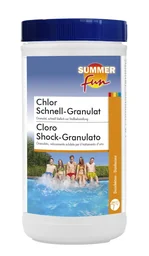
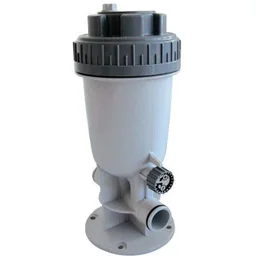
Factors such as strong sunlight, frequent pool use, or rain can dilute chlorine and reduce its effectiveness. Adjust the dosage accordingly. Keeping a pool log can help you spot patterns.
Pool maintenance involves more than just chlorine
A healthy pool depends on three things: disinfection (chlorine), pH balance, and filter run time. Test and adjust the pH weekly. It should be between 7.0 and 7.4.
The right pH level helps chlorine work effectively and protects materials such as liners and metal parts. Run your filter system long enough each day to circulate all the water at least once.
Regularly remove leaves and insects with a pool skimmer. A clean pool needs less chlorine because there is less organic matter for it to react with. For cleanup around the pool and yard, a sturdy
(Wonder Scissors) is a versatile helper.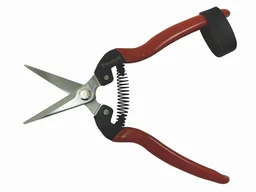
A closer look at chlorine alternatives
Saltwater pools are extremely popular. A salt chlorinator continuously produces chlorine from salt (sodium chloride). The advantage is that the chlorine level stays consistently low and the water feels softer.
Drawbacks include the higher upfront cost and the maintenance required for the electrolytic cell. The water also has a slightly salty taste and can corrode metal parts around the yard.
Active oxygen systems use hydrogen peroxide. They are especially gentle on the skin, but are often less effective against stubborn algae and require very precise dosing. UV or ozone systems can supplement disinfection, but usually do not completely replace chemical treatments.
Choosing the right system for your pool
Choose a disinfection method based on your priorities. If you want maximum effectiveness and ease of use, chlorine remains the top choice. If you have serious concerns about chemicals or very sensitive skin, alternatives may be worth considering.
Whichever system you choose, regular monitoring is essential. Find test kits for a range of methods in our extensive store. A well-maintained pool offers safe swimming fun for everyone without harming your yard plants or your dog.
Frequently asked questions
- Can chlorinated pool water harm plants?
- Yes, chlorinated pool water can harm most plants. Chlorine and chlorine compounds such as chloramines can act like bleach on sensitive leaves. Pool water is often alkaline, which can also change the soil's pH. Use rainwater or tap water to water plants instead.
- Can dogs drink pool water?
- Dogs should not drink chlorinated pool water. Even at the recommended dosage, chlorine can irritate the digestive tract and cause vomiting or diarrhea. Keep fresh drinking water near the pool for your dog.
- Does chlorine irritate the skin and eyes?
- Red eyes and itchy skin are often caused by chloramines rather than chlorine itself. These compounds form when chlorine reacts with sweat, urine, or dirt. Good hygiene among swimmers and regular pool maintenance help minimize these irritants.
- What is the gentlest way to dispose of pool water?
- Let the water soak slowly into the ground over a wide area of your yard, never concentrated in one spot or on a single plant. Ideally, let the water stand for 24-48 hours before disposal so the chlorine can break down. Check local regulations first.
- Are there chlorine-free alternatives for pool disinfection?
- Yes, salt chlorinators produce chlorine from salt while keeping chlorine levels consistently lower. Other systems use active oxygen or UV light. These methods often require specialized equipment and can cost more upfront.
You may also be interested in
- Chlorine in pools: risks, dosage, and alternatives
- Too much chlorine in your pool? How to rebalance the water
- How do you maintain the ideal chlorine level in your pool?
- Backyard swimming pools: setup, maintenance, and tips
- Mold in your home: Can chlorine help get rid of it?
- Eye-catching pool design ideas for your dream backyard