
In brief: A hygienically clean pool takes a combination of mechanical cleaning, chemical water treatment and preventive care. Remove debris regularly, measure and adjust chlorine or active oxygen carefully, and check the pH level. A pool robot or skimmer net helps clean the pool floor. A suitable pool cover significantly reduces debris and heat loss.
The Three Pillars of Pool Cleaning
A clean swimming pool depends on three essentials. Mechanical cleaning removes visible debris. Chemical water treatment kills germs and keeps the water balanced. Prevention reduces the amount of maintenance needed from the start. Neglect any one of these, and the system can become unbalanced.
Start with mechanical cleaning. A skimmer net removes leaves and insects from the surface. A pool brush loosens algae and dirt from the walls and floor. The filter removes fine particles from the water. Repeat these steps regularly.
Pool chemicals help keep the water hygienic. Chlorine or active oxygen disinfects it. The pH level helps other treatment products work effectively. Algaecide helps prevent algae growth. Check the water regularly with test strips or a digital tester.
Pro tip
Test the water at the same time each day, ideally in the evening after swimming. Strong sunlight breaks down chlorine more quickly, so testing at a consistent time helps avoid misleading readings and makes results easier to compare.
How Do I Start the Pool Season?
How you open your pool can determine how much maintenance it needs throughout the summer. Carefully remove the winter cover to keep debris from falling into the pool. Drain any standing rainwater before taking the cover off completely.
Fill the pool with fresh water to the middle of the skimmer opening. Turn on the filtration system and check the seals and pipes for damage. Run the pump without chemicals at first to circulate the water thoroughly.
Next, balance the water chemically. First, measure the pH level of the fresh water. Use pH reducer or pH increaser to bring it into the ideal range of 7,0 to 7,4. Only then add the initial dose of chlorine or your chosen disinfectant.
The most common mistake when opening a pool for the season is using the wrong order. Always adjust the pH level first, then disinfect. If the pH level is too high, chlorine can lose up to 80% of its effectiveness.
The First Check: Filter and Equipment
Check the pump's filter basket for debris left over from winter, and clean it thoroughly. For sand filters, clean the sand with a backwash cycle. Rinse cartridge filters with a strong stream of water or replace the cartridge.
Check all hoses and valves for cracks or leaks. A quiet hissing sound or damp patches can indicate a problem. Lubricate moving parts, such as skimmer flaps, with silicone-free lubricant.
Why Is the pH Level So Important?
The pH level shows whether your water is acidic or alkaline. It affects almost every other part of water care. If it's out of range, even expensive disinfectants may not work well, the water can irritate your eyes, and metal parts may be damaged.
A pH level below 7,0 makes the water corrosive. It can damage metal parts such as ladders and heating coils. Swimmers' eyes may sting, and chlorine use can increase because it breaks down too quickly.
A pH level above 7,6 can make the water cloudy. Limescale may form and settle as a white deposit on the walls and water surface. Chlorine becomes less effective, leaving the water more vulnerable to algae and bacteria.
Important
Always wear gloves and safety goggles when handling pool chemicals. Never add chemicals directly to the pool; dilute them first in a bucket of pool water. Never mix chlorine and pH reducer at the same time—this can cause a dangerous reaction.
Test the pH level at least twice a week. Use reliable test strips or a digital tester. Follow the packaging instructions and account for your pool's water volume when adding corrective products. Add small amounts, wait several hours, then test again.
How Do I Get Rid of Algae in the Pool?
Algae are persistent microorganisms that can grow quickly in warm, sunny conditions, especially when nutrients enter the water. They make the walls slippery and turn the water green. Treat an algae bloom in three steps: loosen the algae with a brush, kill them with chemicals, then filter them out.
Start by brushing all affected surfaces thoroughly. This breaks up the algae's protective biofilm. Use a suitable
. Then shock the pool with chlorine. Depending on the severity of the algae bloom, raise the chlorine level to around 5-10 mg/l.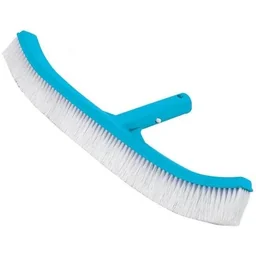
Keep the pump running for 24 hours, then add a flocculant to the water. It binds dead algae into larger clumps. The sand filter will catch them, or they will sink to the floor, where you can vacuum them up with a pool vacuum. Do not dispose of filter backwash water in the garden.
Preventing algae is the best way to control them. Keep the chlorine level within the target range, even when nobody is swimming. Algae feed on nutrients such as pollen and skin flakes. A stable chlorine level is your strongest defense.
How to Prevent Algae Growth
Use algaecide regularly to help prevent algae from taking hold. It won't kill algae during an active bloom. Reduce the nutrients entering the water: shower before swimming and remove leaves promptly. A pool cover helps retain heat and keep debris out.
Find the right products for your needs in our Garden + Outdoor category. You'll also find specialist pool cleaning equipment there.
What tools do I need for daily maintenance?
You only need a few basic tools. A telescopic pool skimmer with fine and coarse mesh removes floating debris. A pool brush cleans the walls and floor. A pool vacuum connects to the filter system to remove settled dirt. A water thermometer is useful because many chemicals work differently depending on the temperature.
For a complete set of equipment, a
. These sets usually include all the essentials in good-quality versions. A long telescopic pole helps protect your back.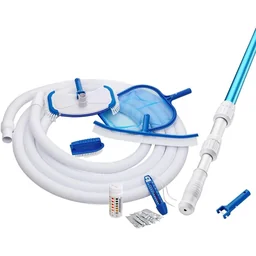
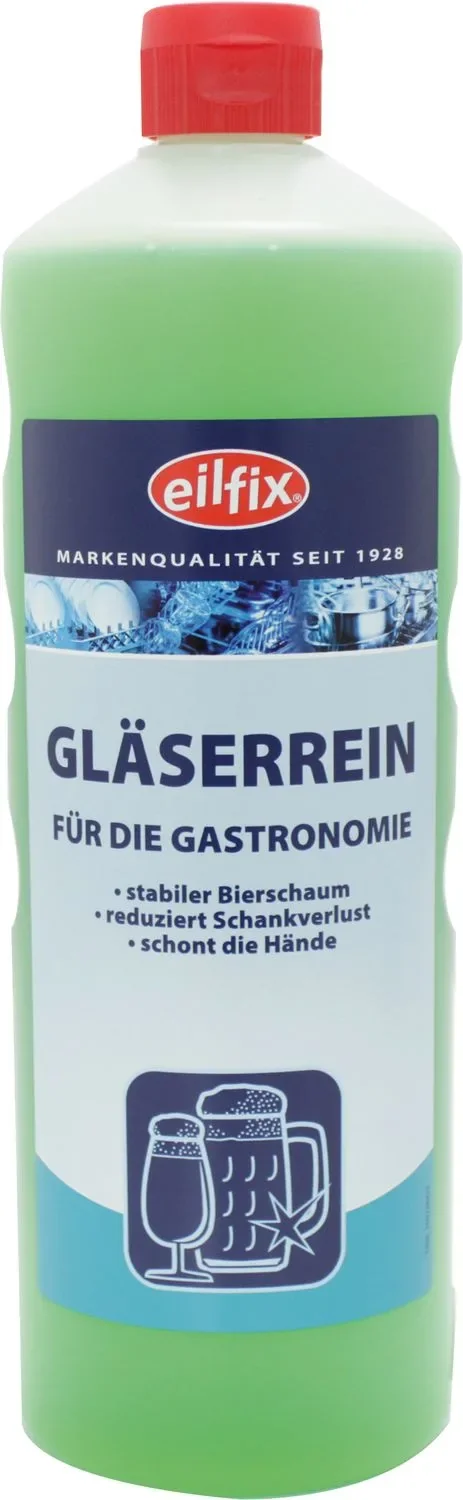
For stubborn limescale around the waterline, use a specialized pool edge cleaner or a mild acid solution. Always test cleaners on an inconspicuous area first. For glass surfaces on windows or doors around the pool, a
.
Additional advice
After cleaning, avoid storing your pool tools directly on the ground. Hang the skimmer and brush on a hook to dry. This helps prevent musty odors and mold from forming between the bristles.
The role of the filter system
Your pool filter works like a kidney, removing microscopic particles. Run the pump for at least 6-8 hours a day in summer, and longer during hot weather or heavy use. A timer can automate this process.
Backwash sand filters every one to two weeks, depending on how dirty they are. Clean or replace cartridge filters when the pressure rises by 0.5 bar compared with when the filter was new. After backwashing, remember to refill the filter with water before starting the pump.
How do I protect the pool from outside dirt?
The most effective solution is a high-quality cover. It keeps leaves, insects, and dust out. It also reduces the evaporation of water and chemicals and helps maintain the water temperature. Choose a suitable pool cover.
A
Avoid planting heavily flowering trees or shrubs right next to the pool. Pollen and petals provide nutrients for algae. To deal with annoying flying insects at dusk, a
is a good choice.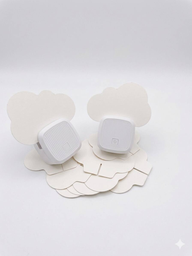
Set up a small shower or foot-washing hose at the edge of the pool. This lets swimmers rinse coarse dirt off their feet. Find a sturdy outdoor faucet and accessories in Plumbing + Irrigation.
How to prepare your pool for winter
A properly winterized pool will be clean and ready for the next season. Give it one more thorough cleaning before winter. Vacuum the floor and walls. Set the pH value to 7,2-7,4 and carry out winter chlorination with a long-lasting product.
Lower the water level by about 10-15 cm below the skimmer opening. This prevents water left in the skimmer pipes from freezing and bursting them. Completely drain all pipes, filters, and the pump. Store the pump in a frost-free place.
Cover the pool securely with a sturdy winter pool cover. It should be able to withstand the weight of snow. Place air cushions (winterizing cushions) in the pool to reduce the pressure of ice on the pool walls. Check the cover for damage occasionally during winter.
With regular maintenance, you can keep your pool hygienically clean and extend the service life of both the equipment and the pool itself. The time you invest and the products you choose pay off with every carefree day in the water.
Frequently Asked Questions
- How often should I clean my pool?
- How often you need to clean your pool depends on how often it is used and its surroundings. Use a pool net every day to remove larger debris, such as leaves and insects. Ideally, run the filtration system for 6-8 hours per day. Brush the walls and give the pool a thorough cleaning once a week. Test the water, including its pH and chlorine levels, at least twice a week.
- What is the ideal pH level for pool water?
- The ideal pH level for pool water is between 7,0 and 7,4. In this range, disinfectants such as chlorine work most effectively, the water is less likely to irritate skin, and metal parts are less likely to corrode. A pH level that is too high (>7,6) can make the water cloudy and reduce the disinfectant's effectiveness. A level that is too low (<7,0) can damage metal and irritate the eyes and skin.
- How can I effectively remove algae from my pool?
- Use shock chlorination to get rid of algae. Add a large dose of chlorine, such as chlorine granules, following the manufacturer's instructions. Let the water circulate for at least 24 hours. First, brush all affected surfaces thoroughly to break up the biofilm. Then use a flocculant to bind the dead algae so the filter can remove them. Keep the chlorine level stable afterwards.
- Can I clean my pool without chlorine?
- Yes, there are alternatives to chlorine. Active oxygen (hydrogen peroxide) disinfects without an odor, but its effectiveness depends on the water temperature and it works for a shorter time. Saltwater chlorinators generate chlorine from salt, but require an initial investment. UV lamps and ozone generators help disinfect the water, but do not remove existing contaminants. For reliable protection, these systems often need to be used with a small residual amount of chlorine.
- Why is my pool water cloudy despite chlorination?
- Cloudy pool water despite chlorination often points to a filtration problem or an incorrect pH level. First, check the pH and adjust it to 7,0-7,4. Clean or backwash the sand filter. Use a flocculant to bind fine suspended particles that the filter cannot capture. This makes the particles clump together so the filter can collect them. Then run the pump for long enough.
You might also be interested in
- Effective pool care: Enjoy crystal-clear swimming in your own backyard
- Spring pool cleaning: Get ready for swimming season
- Backyard pools: Planning, building and maintenance
- How to get rid of algae in your pool and prevent it from coming back
- How do I maintain the ideal chlorine level in my pool?
- Pool cleaner comparison 2026: The best models reviewed