
In brief: Rats seek warmth and food in buildings during autumn and winter. Prevent an infestation by securing food sources such as exposed pet food, sealing all access points to your home and keeping the garden tidy. In the event of an active infestation, proven traps such as the "ratStop" offer fast and effective help.
The leaves are falling, the days are getting shorter and temperatures are dropping. Autumn signals that winter is approaching. While you make yourself comfortable indoors, wildlife is also looking for a warm and secure shelter. At the top of the list of unwanted guests are rats. These intelligent and adaptable rodents find ideal conditions in cellars, sheds, garages and even lofts to survive the cold season. Now is the crucial time to take preventive measures and act decisively at the first signs. An active infestation requires fast and effective action. A proven solution is the classic snap trap. The Rat trap "ratStop" is a reliable and easy-to-use solution for getting an active infestation under control.
Why do rats seek shelter in houses during autumn and winter?
Rats are driven by simple but powerful instincts: survival and reproduction. In autumn and winter, natural food sources become scarce and the cold becomes a real threat. Your home and outbuildings are like a five-star hotel with full board for rodents.
Rats are looking for three things: warmth, shelter and food. A heated building offers consistent temperatures. A cluttered cellar or packed loft provides countless hiding places from predators and the elements. And being close to people almost always means being close to food scraps, supplies or pet food. These animals have an excellent sense of smell. They can detect an open bag of dog food or a poorly sealed bin bag from a surprising distance.
Rats are commensal animals. Wherever people live, they almost always find everything they need to survive. Their adaptability makes them one of the most successful mammal species in the world.
As soon as a scout finds a suitable location, an entire colony can quickly follow. Rats are social animals and reproduce extremely quickly. A single female can give birth to dozens of offspring each year. That is why it is so important to take the first signs seriously and act immediately.
How can I tell if I have a rat infestation? Look for these signs.
Rats are shy and nocturnal. You will rarely see the animals themselves. However, they leave unmistakable traces that you can quickly spot during a careful inspection. Look for a combination of the following signs.
Droppings and gnaw marks
The most obvious sign is their droppings. Rat droppings are spindle-shaped, dark and about 1 to 2 centimetres long. You will often find them along their regular routes, in corners or near food sources. Fresh droppings are soft and shiny, while old droppings are dry and crumbly.
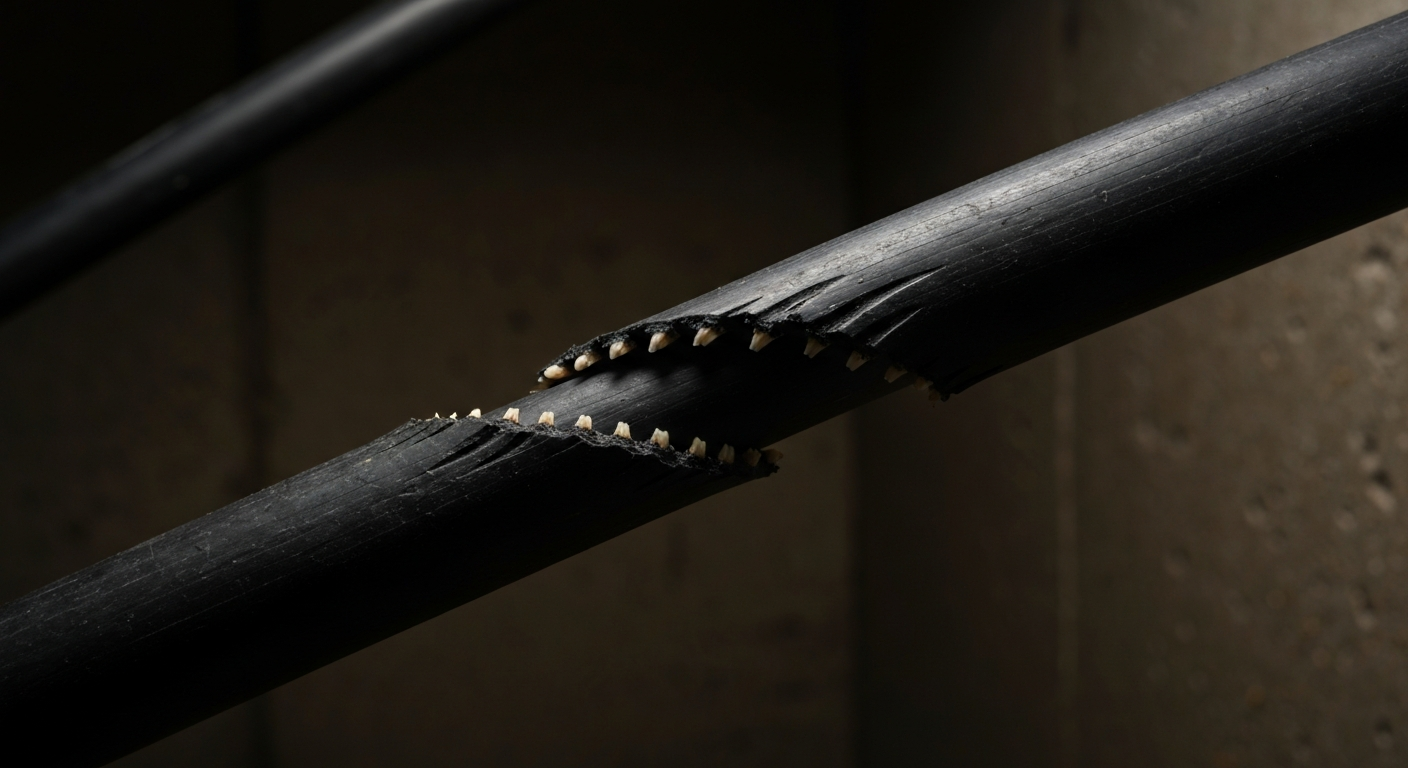
Gnaw marks are almost even more alarming. Rats' incisors grow continuously, so they have to gnaw on anything they can to wear them down. Typical marks can be found on wooden beams, furniture and door frames, as well as on plastic pipes and electrical cables. Chewed cables pose a serious fire hazard and must be inspected by an electrician immediately.
Runways and grease marks
Rats are creatures of habit and repeatedly use the same routes. As they prefer not to cross open spaces, they move close to walls and fences. Over time, visible paths develop. In dusty areas such as cellars or lofts, you can identify these routes by the tracks in the dust.
Rats also leave grease marks along these runways. These are dark, greasy streaks caused by their fur rubbing against the wall. The darker and more pronounced the mark, the more frequently the route is used and the longer the infestation has been present.
Expert tip
Sprinkle a thin layer of flour or talcum powder in areas where you suspect activity. The next morning, you can use paw prints and tail marks to identify the rodents' exact routes. This will help you position traps effectively later.
Sounds and smells
Listen for unusual noises, especially during the quiet of the night. Scratching, scuffling or soft squeaking in walls, ceilings or beneath floorboards are typical signs. These noises occur when the animals are moving around, gnawing or building their nests.
An ongoing rat infestation is also accompanied by an unpleasant smell. This is a mixture of ammonia from urine and a sweet, pungent musky odour. The smell is often strongest in enclosed, poorly ventilated rooms such as pantries or cellars.
How can I prevent a rat infestation in winter? Effective rodent protection.
The best rat control is the kind you never need to carry out. With forward planning and a few simple measures, you can make your property as unattractive to rodents as possible. Winter rodent protection starts in autumn.
Remove food sources
The main reason rats settle on your property is a reliable food supply. Take away this essential resource.
- Store food safely: Keep supplies such as grains, pasta or muesli in securely sealed containers made of glass, metal or thick plastic. Cardboard boxes and paper bags are no obstacle.
- Manage pet food: Store pet food in rodent-proof bins as well. Feed pets indoors and remove leftover food immediately.
- Feeding birds in winter: If you feed wild birds, use feeders that let as few seeds as possible fall onto the ground. Scattered bird food on the ground is a feast for rats. Clean the area beneath the bird feeder regularly.
- Waste disposal: Use bins with tightly closing lids. Only put yellow recycling bags outside shortly before collection.
- Compost: Do not put cooked food scraps, meat or dairy products in the compost. A sealed rapid composter is safer than an open compost heap.
Block access points: Turn your home into a fortress
Walk around your home and check it for potential entry points. A rat can fit through a hole the size of a 2-euro coin. Seal all openings consistently.
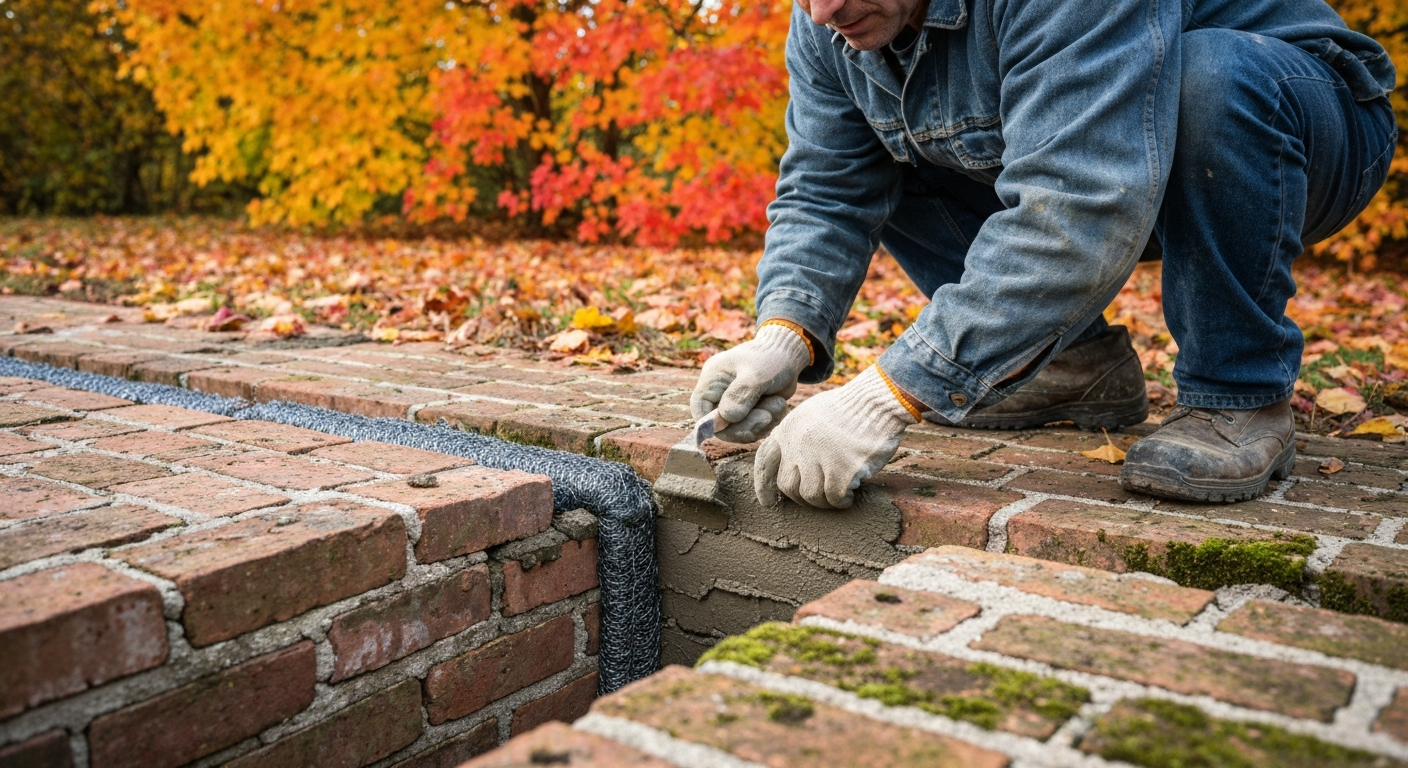
- Masonry and foundations: Repair cracks and holes with mortar.
- Pipes and cables: Secure openings for cables and pipes with steel wool or special sealant. Rats do not like gnawing through metal.
- Doors and windows: Check basement windows for a tight seal. Fit rubber strips or brush seals to the bottom edges of garage or shed doors.
- Roof and ventilation: Secure ventilation openings with close-mesh metal grilles. Check roof tiles for damage.
Additional advice
Do not underestimate rats' climbing abilities. A rough exterior wall or ivy growing up the facade can provide the perfect climbing aid, allowing them to reach higher openings such as roof hatches or leaking roof connections.
Make the garden unattractive
An untidy garden offers rats ideal hiding places and routes. Arrange your Garden + Outdoor area so that rodents feel uncomfortable there.
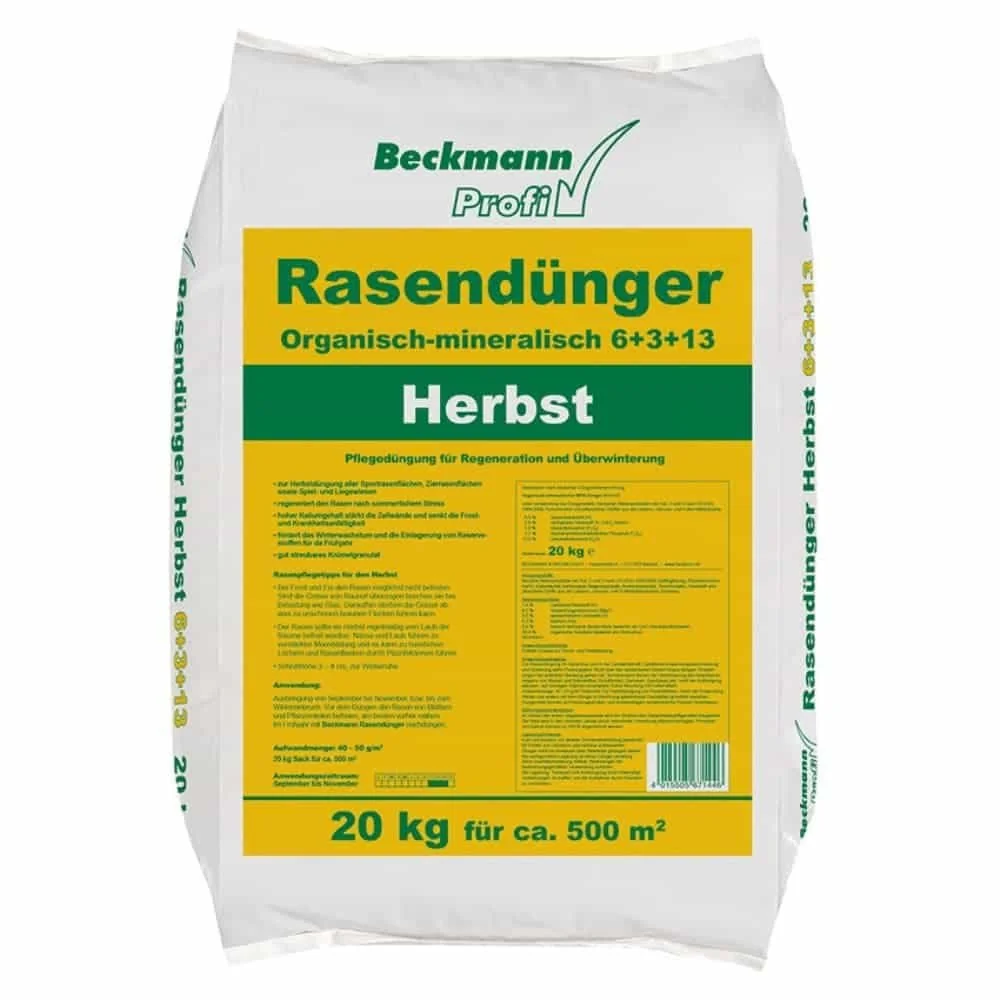
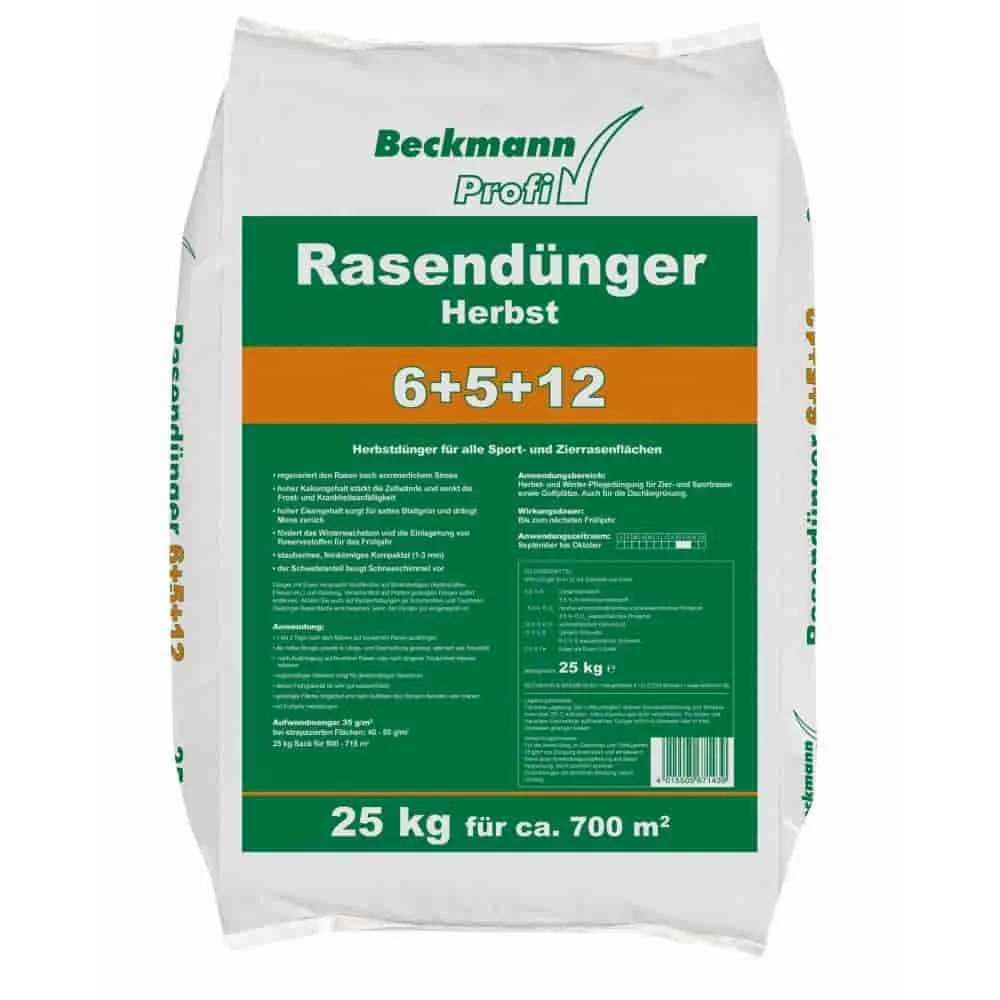
Remove clutter, old boards or piles of stones near your home. Store firewood in a stack with space between it and the exterior wall. Dense ground cover directly alongside the foundations also provides shelter. Keep the lawn short in autumn to deprive the animals of cover. A strong lawn survives winter better and recovers more quickly in spring. Use a special autumn lawn fertiliser such as the 20 kg Autumn Lawn Fertilizer Beckmann NPK-6+3+13 or, for larger areas, the 25 kg Autumn Lawn Fertilizer Beckmann NPK-6+5+12. Trim trees and shrubs whose branches touch the house and could serve as a bridge.
What to do about an active rat infestation: Fast and effective control
Despite taking every precaution, have you discovered an infestation? Then you need to act quickly. Don’t wait, because the problem will not resolve itself—it will only get worse. For domestic use, snap traps are the most effective and safest method.
Choosing the right trap
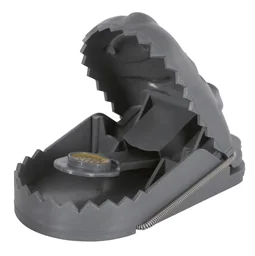
Modern snap traps are robust, easy to use and, when used correctly, compliant with animal welfare requirements because they kill the animal instantly. The ratStop rat trap is one such model. It is made from durable plastic, is easy to clean and can be reused. The integrated bait container makes baiting simple and safe. The powerful striking bar ensures quick results.
Set the trap according to the instructions. Wherever possible, handle the trap only while wearing gloves to avoid leaving human scent. Rats are wary of new objects and unfamiliar smells.
Place several traps a few metres apart. Rats rarely move around alone, and using multiple traps significantly increases your chances of catching them quickly.
The perfect bait and where to place the trap
A trap’s success depends on both the bait and its location. Strong-smelling, sticky foods make suitable bait. Peanut butter is the clear favourite. It has an intense smell and cannot easily be snatched away by a rat. Chocolate-hazelnut spread, bacon and dried apricots also work very well.
Place the traps directly against walls, along the routes you have identified. The trigger side should face the wall. Rats prefer not to cross the middle of a room. Place traps behind boxes, under shelving or in dark corners where the animals feel safe. Give them some time. It can sometimes take a few days for these neophobic rodents to get used to the new object.
Important information
Check the traps every day, preferably in the morning. Remove caught animals immediately to avoid attracting other pests and for hygiene reasons. Always wear gloves when disposing of a carcass and place it in a plastic bag before putting it in your household waste.
When to call a professional
You can often deal with a single rat yourself. However, DIY methods have their limits when there is a serious infestation. Do not hesitate to seek professional help if:
- You regularly discover signs of rats over an extended period.
- You see rats during the day.
- Your own control measures remain unsuccessful for several weeks.
- The infestation occurs in sensitive areas such as the kitchen.
A professional pest controller can accurately assess the scale of the problem and has access to more effective methods and products. Your entire pet supplies management system, especially food storage, should also be reviewed.
Act now before winter arrives. A thorough inspection and a few preventative measures in autumn can save you a great deal of trouble and expense. Secure your home, remove food sources and be prepared for the worst. A tidy garden and a well-sealed house are the best protection against a rat infestation in winter.
Frequently Asked Questions
- What is the best bait for rat traps?
- Rats love high-calorie, strong-smelling bait. Peanut butter is a classic because it is sticky and cannot easily be stolen. Chocolate, chocolate-hazelnut spread, dried fruit and bacon also reliably attract rodents into the trap. Change the bait if you do not catch anything.
- How small can a hole be for a rat to squeeze through?
- An adult brown rat can squeeze through openings with a diameter of just 2 euros, or around 2.5 cm. Younger, smaller rats can fit through even narrower gaps. Never underestimate these animals’ ability to find and exploit weak points.
- Do I have to report a rat infestation in my garden?
- In Germany, rat infestations must be reported under the Infection Protection Act. The exact regulations may vary depending on the federal state and local authority. Contact your local public health or regulatory office as soon as you discover an infestation on your property to avoid fines.
- What drives rats away without killing them?
- Ultrasonic devices can disturb rats temporarily, but they often become accustomed to them. Strong smells such as peppermint oil, cayenne pepper or used cat litter may also deter them. However, the most effective humane approach is to consistently remove their access and food sources.
- Why do I usually only see rats at night?
- Rats are crepuscular and nocturnal animals. Darkness makes them feel safer from predators and people. If you see rats during the day, this is often an alarming sign of a very large population or severe food shortages forcing them to take greater risks.
You may also be interested in
- Rats in the house? Effective control strategies
- Rat traps vs. rat poison: Which is safer and more effective?
- How to get rid of rats in the garden: Effective methods
- Buy a rat trap: The ultimate guide for 2024
- Damp autumn, cold winter: How to stop mould effectively
- When should you control voles? The seasonal trap guide