
In brief: The right rope depends on how you plan to use it. Heavy-duty construction ropes are suited to building projects and hauling. The right rope holders and end caps help secure the rope. Material, working load and weather resistance are key factors. Our comparison will help you choose.
Ropes are versatile tools for securing equipment and materials. Whether you need one for a construction site, the garden or hauling, the right rope can make all the difference. Our 2026 rope reviews and comparison explain what to look for. We cover different types of rope and useful accessories.
Learn which features matter for your intended use. Options range from heavy-duty construction ropes to specialized fastening accessories such as rope holders and end caps. Our guide will help you make an informed buying decision.
Table of contents
What types of rope are available?
There are several types of rope on the market, each with its own properties and uses.
Polypropylene construction ropes
These ropes are lightweight, buoyant and weather-resistant. They are well suited to tools and equipment on construction sites or in the garden. Their UV resistance is limited.
Polyester ropes
Polyester ropes have low stretch and are durable. They retain their strength when wet, making them ideal for permanent fastening and hauling.
Steel cables
Steel cables offer high strength with minimal stretch. They are used for heavy loads and safety applications. They require special fastening hardware.
Tip: Choose a rope material to suit the load and conditions. Polypropylene ropes are often enough for temporary outdoor tasks. For heavy loads or long-term use, polyester or steel is a better choice.
What should I look for when buying a rope?
Four factors are key when choosing a rope.
1. Working load and breaking strength
Never exceed the stated breaking strength. Always leave a safety margin, and keep the actual load well below the breaking strength.
2. Material and weather resistance
Check whether the rope is designed for indoor or outdoor use. Some materials lose strength when exposed to moisture or UV light.
3. Diameter and ease of handling
A thicker rope is usually stronger, but it is also heavier and harder to handle. Look for a rope that is easy to work with, especially if you need to tie knots.
4. Stretch
Ropes that stretch absorb sudden loads, but they are not suited to precise positioning. Low-stretch ropes keep loads in place more effectively.
How do I secure a rope properly?
Secure fastening is just as important as choosing the right rope. Incorrect installation can cause accidents.
Securing a rope with rope holders
Rope holders provide a secure anchor for the end of a rope. They are mounted on sturdy surfaces such as beams or posts. Fasten them securely with suitable screws or hanger bolts.
The product
is an example of a chrome-plated rope holder with screw holes and included mounting hardware. Its design makes installation easier.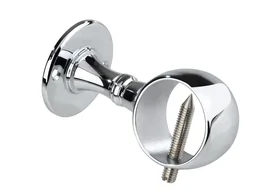
Securing a rope with end caps
End caps protect the end of a rope and can also serve as fastening points. They are pressed or clamped onto the rope end. End caps with a ring let you attach carabiners or other connectors.
Warning: Never use damaged ropes or faulty fastening hardware. Check every component before each use. If you have any doubts, replace it.
Which rope accessories are useful?
The right accessories can improve your rope's safety and service life.
End caps for a neat finish
End caps help keep rope ends from fraying. They come in a range of materials and styles. Brass and chrome-plated options are especially durable.
For a simple finish,
, a brass-colored end cap without a ring is a suitable choice. For hanging applications, , a chrome-plated end cap with a ring is a good option.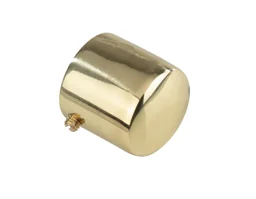
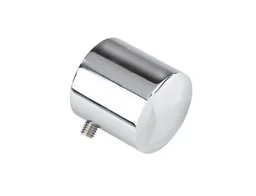
Rope holders for fixed anchor points
Rope holders create permanent, load-bearing anchor points. They are essential when ropes are kept under tension or need to support loads.
Other rope accessories
- Turnbuckles for tightening ropes.
- Rope clamps for joining rope sections.
- Protective sleeves to prevent abrasion.
Rope Test and Comparison
In our practical comparison, we tested a range of products. Here are the most important results at a glance.
Our top-rated ropes and accessories compared:
| Model | Customer rating | Availability |
|---|---|---|
| Chrome-plated rope holder with hanger bolt | – | Currently unavailable |
| Chrome-plated rope holder with screw holes, including mounting hardware | – | Currently unavailable |
| Polypropylene construction rope, 10 m | – | Currently unavailable |
| Brass end cap with ring | – | Currently unavailable |
| Brass end cap without ring | – | Currently unavailable |
Our top pick in the construction rope category is the
. This polypropylene construction rope is easy to handle and strong enough for many everyday jobs.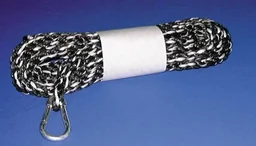
For end caps, we picked two models. For classic hanging applications, we recommend the
, a sturdy, attractive option without a ring.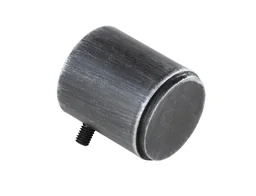
Note: Our comparison is intended as a guide. Choose a product based on your specific application, the length you need and the conditions at your work site.
How to Care for and Store Rope
Proper care can significantly extend the life of your rope.
Cleaning
When needed, clean rope with fresh water and mild soap. Avoid harsh chemicals. Let it air-dry completely before storing it.
Storage
Store rope in a cool, dry place away from direct sunlight. Keep it away from sharp edges that could damage the fibers. Coil it or store it loosely to help keep it in good condition.
Regular inspection
Check rope for visible damage before every use. Look for cuts, heavy abrasion, discoloration or brittle sections. If in doubt, replace it.
Our Buying Guide
Use this checklist to find the right rope for the job.
- Define the intended use: Transporting, fastening, securing or decorating?
- Determine the required length and strength: Measure carefully and allow extra length for knots.
- Choose the material: Polypropylene for light, temporary jobs. Polyester or steel for heavy, permanent loads.
- Consider the accessories: The right end caps or rope holders are essential for secure fastening.
- Prioritize quality and safety: Avoid rope without clear information about its load capacity and material.
Invest in quality. A well-made rope with the right accessories is safer and lasts longer. It saves hassle and helps prevent potentially dangerous situations. The products in our comparison give you a solid starting point.
Frequently Asked Questions
- What type of rope is best for heavy loads?
- For heavy loads, choose rope with a high breaking strength and low stretch. Polypropylene construction rope offers good performance for these applications. Always follow the stated load capacity and never exceed it.
- What is the difference between chrome-plated and brass end caps?
- Chrome-plated end caps offer good corrosion resistance and are suitable for outdoor use. Brass end caps have a classic look and are also durable. The choice often comes down to the appearance you prefer.
- How do I secure rope properly?
- Use suitable rope holders or end caps for a secure attachment. Make sure the anchor points are stable. When using rope holders with screw holes, use the included mounting hardware. Check the installation regularly.
- Can I leave construction rope outdoors year-round?
- Polypropylene construction rope is weather-resistant, but prolonged UV exposure can weaken it. When you won't be using it for an extended period, store it in a dry, dark place. Check it for damage before every use.
- What are end caps without a ring used for?
- End caps without a ring are mainly used to neatly close and protect the end of a rope. They help prevent fraying and give it a finished look. For hanging or connecting rope directly, choose end caps with a ring.