
In brief: A good RV cleaner removes dirt, protects surfaces and makes maintenance easier. In our test, products designed specifically for RV materials perform best. They should clean effectively while remaining gentle on acrylic windows, aluminum bodywork and rubber seals. Concentrates often offer good value.
RV Cleaner Test & Comparison 2026
Proper care is essential for the longevity and value of your RV. In our major test and comparison for 2026, we present the best cleaners and explain what to look for when buying. You’ll get clear buying advice to help you find the right product for your needs.
Table of contents
Why are specialty RV cleaners important?
Your RV is constantly exposed to the elements. UV rays, rain, bird droppings, insects and road grime take their toll on its surfaces. An all-purpose household cleaner isn’t the answer.
Specialty RV cleaners are formulated for the wide range of materials used in these vehicles. They gently clean aluminum or fiberglass bodywork, are suitable for acrylic windows and condition rubber seals. This helps protect the finish from fading and keeps seals from drying out.
Regular cleaning with the right products is the best investment in maintaining your vehicle’s value. A well-maintained RV also makes every trip more enjoyable. Browse our range of RV accessories to find everything you need for maintenance.
Warning: Avoid abrasive cleaners and harsh household chemicals. They can dull surfaces, cause scratches or damage the protective coating on windows. This damage is often irreparable.
The main types of RV cleaner at a glance
Different types of dirt call for different products. Here are the main product categories to keep in your vehicle care kit.
All-purpose wash for the body
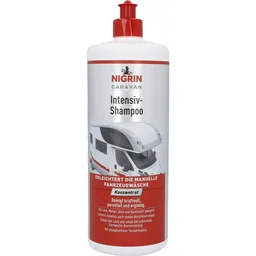
This is your go-to product for regular, thorough cleaning. Quality washes such as the are concentrates you dilute with water. They gently remove light to moderate dirt without leaving a film. Look for a product that lathers well to loosen dirt and helps condition the finish.
Polish for shine and protection
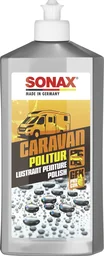
Polish after cleaning. It fills in fine scratches, brings out a deep shine and adds a protective layer to the finish. This layer helps repel dirt, so rain can rinse the vehicle more easily. The provides long-lasting protection.
Specialty cleaners for stubborn messes
Some types of dirt call for specialty products, including:
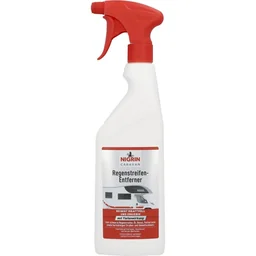
- Black streak remover: Removes black water streaks and mineral deposits. The is made for the job.
- Odor remover: Neutralizes unpleasant odors inside the RV, such as those caused by dampness or pets.
- Carpet cleaner: For upholstery and fabric surfaces in the living area.
Care products for seals and rubber
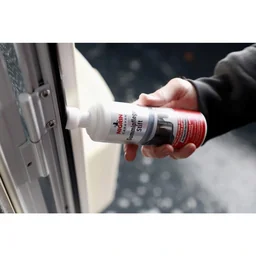
Rubber seals around doors, windows and tailgates are vulnerable. They can become brittle and stop sealing properly. A specialty conditions the material, keeps it flexible and helps prevent cracks. This helps keep out drafts and water.
Tip: Work in the shade and on a cool surface. Direct sunlight can make cleaners dry too quickly and leave marks. Start at the top of the roof and work your way down.
Our Test Criteria for the Comparison
What makes a good RV cleaner? We assessed and compared the products using these practical criteria.
Cleaning Power and Application
The product must reliably remove typical RV dirt: dust, insect residue, light water spots, and road grime. Ease of use is also important. Is it a concentrate with a convenient measuring cup? Is it easy to apply and rinse off? A good shampoo shouldn't require excessive rinsing.
Material Compatibility
This is the most important criterion. The cleaner must be safe for all common surfaces. We check whether it's suitable for aluminum, glass-fiber-reinforced plastic (GRP), painted surfaces, acrylic and polycarbonate windows, and rubber seals. Products with an excessively high pH or high solvent content can cause long-term damage.
Environmental Compatibility and Smell
You use the product outdoors, so biodegradable ingredients are a plus. The smell should be neutral or pleasant, since you may be working with the product for an extended period. Strong chemical odors are a drawback.
Value for Money
We consider the quantity, required dosage, and effectiveness. A highly concentrated product that requires only a small amount may be more economical in the long run than a cheap but weak product.
Our top-rated RV cleaners, compared side by side:
| Model | Customer rating | Availability |
|---|---|---|
| Caravan Grill - Cleaner, 750 ml | – | Currently unavailable |
| Caravan Intensive Shampoo Concentrate, 1 Liter | – | Currently unavailable |
| Caravan Odour - Remover, 750 ml | – | Currently unavailable |
| Caravan Polish, 500 ml | – | Currently unavailable |
| Caravan Rain Streak - Remover, 750 ml | – | Currently unavailable |
Tips for the Right Application and Care Routine
With the right product and technique, you can get the best results while protecting your RV.
Proper Preparation
First, rinse the vehicle thoroughly with clean water to remove loose dirt and dust. This keeps you from rubbing grit into the paint while washing. Use soft brushes or RV wash mitts to avoid scratches.
The Right Cleaning Technique
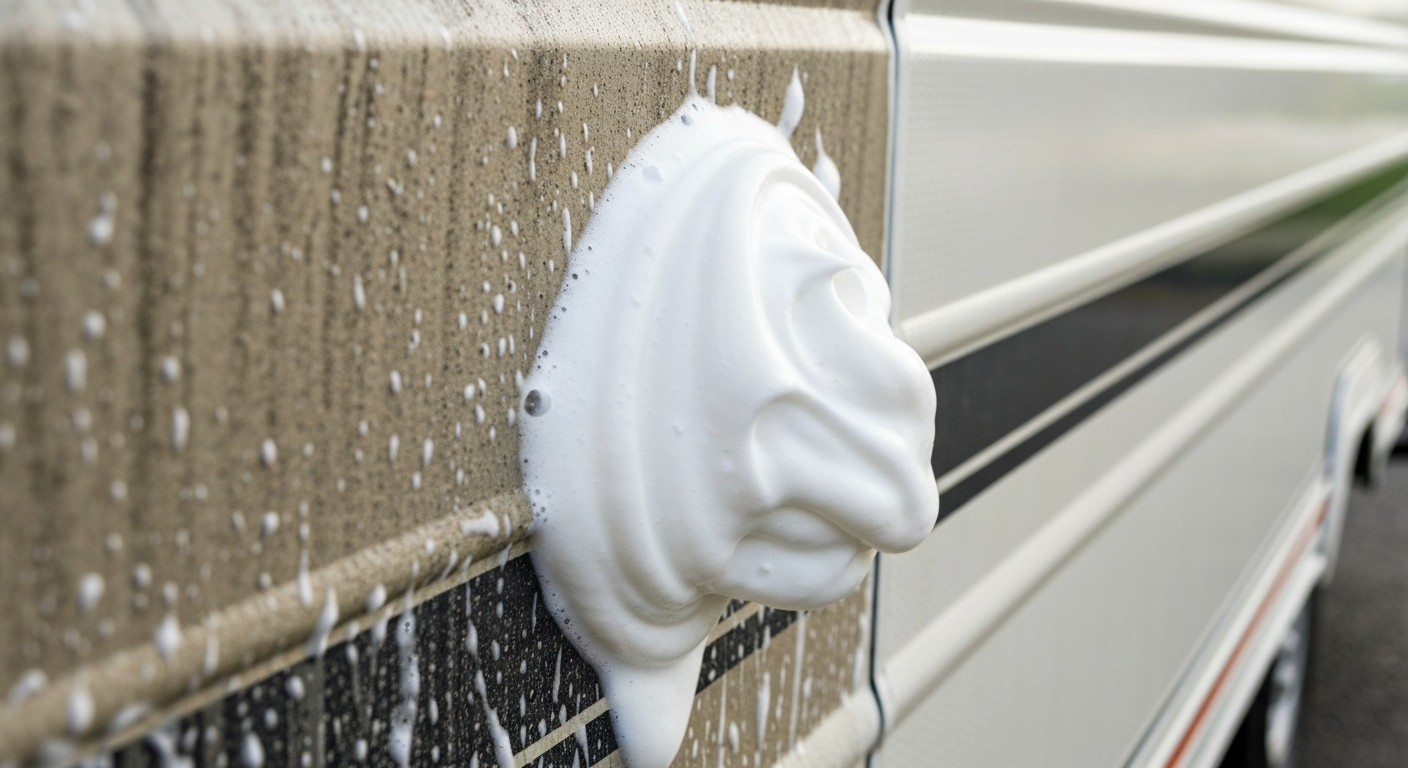
Apply the diluted shampoo with a bucket and sponge or a wash brush. Work one section at a time, and don't scrub too hard. Pay particular attention to the front and nose, where insect residue tends to build up. For stubborn stains, let the product sit for a short time.
After Washing: Drying and Care
After rinsing thoroughly, dry the RV with a soft, absorbent microfiber cloth to prevent water spots. If needed, apply polish afterward to protect the shine. Don't forget to care for the rubber seals with a product such as .
Note: Plan a thorough spring cleaning to remove winter grime. Before storing your RV for the winter, give it a final wash to keep corrosive dirt such as bird droppings or tree sap from sitting on the surface for months.
Buying Guide: How to Find the Best Cleaner
Choosing the right cleaner depends on your RV, the types of dirt it encounters, and how much maintenance you're willing to do. These key questions can help you decide.
What Surfaces Does Your RV Have?
Identify the materials used on your vehicle. Does it have a smooth aluminum body, GRP sidewalls, or a painted body? Does it have large acrylic windows? The answers determine how gentle your cleaner needs to be. For most modern RVs, a shampoo that's safe for multiple surfaces, such as those in our RV cleaner category, is the best choice.
How Heavy Is the Dirt?
For regular cleaning, a high-quality all-purpose shampoo is enough. However, if you often park under trees or take long road trips, you may also need a specialty cleaner for tree sap, water spots, or baked-on insects.
How Much Effort Do You Want to Put In?
Do you just want to give your RV a quick wash, or do a complete care routine with polish? Ready-to-use sprays or dilutable concentrates are convenient for a quick wash. For premium care, you'll need a set with shampoo, polish, and a rubber care product.
Our Test Verdict
A good RV cleaner is a worthwhile investment. The specialty products we tested effectively protect your vehicle and help preserve its value. They're worth the price because they help prevent damage caused by using the wrong products. Choose quality and check for material compatibility. A basic set with a gentle shampoo, polish, and rubber care stick covers the most important care needs. With the right routine and products from our test, your RV will remain a beautiful, reliable companion for years to come.
Frequently Asked Questions
- Can I use household cleaner on my RV?
- We don't recommend it. Household cleaners are often too harsh for sensitive surfaces such as acrylic windows or aluminum siding. RV cleaners are formulated for these combinations of materials, so they clean effectively while helping protect surfaces.
- How often should I clean my RV?
- We recommend a thorough cleaning at least twice a year: after winter and before storing your RV in the fall. While traveling, remove loose dirt such as bird droppings right away to prevent paint damage. Regular care helps preserve your RV's value.
- What's the difference between shampoo and polish?
- Shampoo is for general cleaning and removes dirt. Polish, on the other hand, forms a protective layer on clean paint, adds shine, and helps repel dirt for longer. Always clean before polishing.
- Do I need a special product to care for rubber seals?
- Yes, it's important. Rubber seals on doors and windows can dry out and become brittle. Specialty rubber care products such as PRODUCT_92459 keep them supple and watertight, helping prevent drafts and water leaks.
- How do I clean rain gutters and remove streaks?
- For stubborn dirt in rain gutters or black water streaks, specialty removers such as PRODUCT_108337 are a good choice. These products dissolve baked-on dirt and limescale that regular shampoos can't remove.