
In brief: Choosing the right silage materials is essential for airtight, secure preservation. In our comparison, silage cover nets stand out as an effective way to protect bunker walls, thanks to their stability and resistance to birds and weather. High-quality silage tape, especially in highly visible colors such as white, provides a reliable, easy-to-check seal between sheets of silage film. The key is combining sturdy protection with precise, airtight sealing.
High-quality silage starts with careful work and the right materials. An airtight cover on your silage bunker helps preserve forage quality and prevent losses caused by heating. In our comprehensive Silage Cover Net & Tape Comparison 2026, we assess key products for reliable forage preservation. Find out what to look for when choosing silage cover nets and silage tape.
Contents
How does silage work?
Silage is made through lactic acid fermentation in the absence of air. Green forage is stored, compacted and covered with film to create an airtight seal. This creates an oxygen-free environment where lactic acid bacteria preserve the forage.
Every leak lets oxygen in. This can lead to undesirable fermentation, mold growth and significant nutrient loss. Choosing the right covering materials is therefore an investment in forage quality.
What to look for in silage materials
Before comparing products, let's look at the key features. What makes a good silage cover net or reliable tape?
Material and durability
The material must be UV-resistant and able to withstand extreme weather. For nets, weight per square meter (g/qm) is a key indicator of durability. A higher weight per square meter usually means a more durable net.
Adhesion and airtightness
For tape, lasting adhesion to silage film is essential. It must seal reliably in wet, hot and cold conditions. The adhesive should hold firmly but still be removable when needed.
Ease of use and reuse
Easy handling saves time and effort. Wide rolls that unwind smoothly are useful. A silage cover net should be easy to remove after harvest without damage and easy to store.
Product comparison: silage cover nets and tape
The ideal silage covering combines several products. The silage cover net provides physical protection, while the tape seals the film. Our comparison highlights the differences.
Here are the top-rated silage products in our range:
| Model | Customer rating | Availability |
|---|---|---|
| Silage tape, black - 100 mm x 10 m (0,2 mm) | – | Currently unavailable |
| Silage tape, white - 100 mm x 10 m (0,2 mm) | – | Currently unavailable |
| Silage cover net 240 g/qm, 10 x 20 m | – | Currently unavailable |
| Silage cover net 240 g/qm, 15 x 18 m | – | Currently unavailable |
Tip: Always pair a durable silage cover net with high-quality tape. This protects your investment in silage film and helps create the best possible airtight seal.
Silage cover nets reviewed in detail
Silage cover nets go directly over the silage film. They help protect it from damage caused by birds, stones or other hazards. We took a closer look at two popular sizes.
The
with an area of 10 x 20 meters is especially suitable for medium-sized to large silage bunkers or for covering vulnerable areas such as side walls. At 240 g/qm, it balances durability with ease of handling.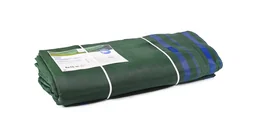
For larger areas, the
is a good choice. Measuring 15 x 18 meters, it covers large areas efficiently. The same high-quality 240 g/qm construction provides reliable protection.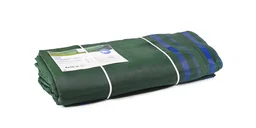
Warning: Even with a protective net, check the silage bunker regularly. Inspect the covering for damage, especially after storms or heavy rain.
What makes a good protective net?
An ideal net is tear-resistant yet flexible. It should be easy to cut to size and should not fray at the edges. The mesh should be sturdy without making the net unnecessarily heavy.
Silage tape reviewed in detail
Silage tape seals the overlaps between sheets of silage film and secures the film at the base of the bunker. It creates the airtight barrier, so careful application is essential.
The
in white has one clear advantage: it is easy to see. Gaps or tears stand out during a visual inspection. The 100 mm width and 0,2 mm thickness provide a broad, sturdy adhesive surface.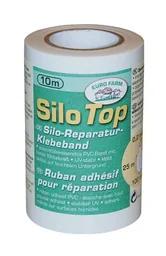
Why does tape color matter?
Black tape blends in with dark silage film, while white tape creates a strong contrast. This makes it much easier to check the seal and spot problems early.
Note: Store the tape properly. Keep it in a cool, dry place, away from sunlight, to preserve its adhesive strength until you use it.
How to apply silage products: tips and advice
Even the best materials are of little use if they’re not applied correctly. Follow these steps to create a properly sealed silage bunker.
First, lay out the silage film and join the sheets with tape. Then place the silage protection net over the film and secure it around the edges. Work in dry weather and make sure the film is clean.
Common mistakes to avoid
- Dirt on the adhesive surface: Even small particles can prevent a secure bond. Clean the film edges before applying the tape.
- Not enough overlap: The film sheets must overlap sufficiently, with the tape centered over the seam.
- Not enough pressure: Press the tape down firmly and evenly after applying it. A pressure roller can help.
Our Final Buying Advice
Choosing the right silage products depends on the size of your silo, your farm’s day-to-day operations and how long you need the cover to last.
For reliable protection from physical damage, we recommend a silage protection net with a fabric weight of at least 240 g/qm. Choose a size that fits your silage clamp. For most farms, the 10x20m or 15x18m formats are ideal.
For a long-lasting airtight seal, choose high-quality white silage tape. A width of 100 mm provides plenty of adhesive surface for a secure bond. The white color makes it easier to carry out important inspections.
Think of the cover as a system: the best protection comes from combining film, tape and netting. Invest in quality for all three. Find more products for preserving silage in our silage category. For general farm supplies, browse our full range. You’ll find all our information about agriculture here.
With the right materials and careful installation, you can produce high-quality silage that provides your animals with optimum nutrition and helps improve your farm’s profitability.
Frequently Asked Questions
- What are the advantages of a silage protection net over a simple sheet of film?
- A silage protection net shields the film underneath from physical damage caused by birds, stones or storks. It stabilizes the cover, reduces wind exposure and significantly extends the life of the entire silage cover.
- Why should I use white silage tape?
- White tape is easier to see on the film, so you can spot tears or loose sections more quickly during inspections. This makes maintenance easier and helps maintain an airtight seal, which is crucial for silage quality.
- How long does silage tape last?
- How long it lasts depends on the tape’s quality and the weather. High-quality PE tape with a UV stabilizer stays flexible and airtight even in sunlight. Check the condition of last year’s tape before the season begins.
- Can I reuse a silage protection net?
- Yes, with careful handling, a net can be used for several years. Take care not to damage it when removing and storing it. Check for wear or tears before using it again.
- What should I do if the tape no longer sticks?
- Thoroughly clean the film surface to remove dirt and moisture. Apply new, high-quality tape and press it down firmly. In cool temperatures, gently warming the surface can improve adhesion.