
In brief: A flashing red smoke detector almost always means it needs maintenance. Short, regular flashes usually indicate a low battery. A steady or irregular red light may point to dust, a fault, or the end of the detector's service life. Check the battery first, then carefully clean the sensor chamber. Replace the detector when it reaches the end of its stated service life. Don't ignore the warning—your home's safety depends on it.
Smoke detector flashing red: What does it mean and what should you do?
A flashing red light on your smoke detector is no reason to panic, but it is a clear signal to take action. This visual warning system is communicating with you. You just need to understand what it means. Here's how to decode the different flash patterns and take the right steps.
What the red light means: Decoding flash patterns
Not every red flash means the same thing. The frequency and regularity of the flashes offer the first clues about the cause. Watch the pattern carefully.
Short, regular flashes (e.g. every minute)
This is the most common and familiar signal. Your smoke detector is indicating that its battery is low or dead. A short beep, usually about once a minute, often accompanies the red light. The detector is telling you to replace the battery.
“The low-battery warning is the most important signal for the user. It sounds well before the power supply fails completely, giving you enough time to respond. Even so, don't ignore it.”
Steady or rapidly flashing red light
A steady or rapidly flashing red light often indicates a fault. Possible causes include heavy dust buildup in the sensor chamber, a technical defect, or the end of the detector's service life. Replacing the battery alone won't solve the problem.
Important
Never disable a smoke detector just because it's annoying or flashing. Doing so removes vital protection. Instead, find and fix the cause of the warning. Whenever you're working on your home electrical system, remember: safety first.
Flashing after you press the test button
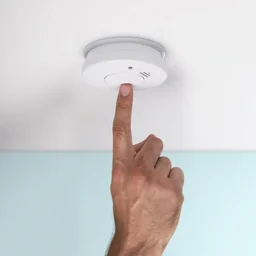
A brief flash of the red LED when you press the test button is normal and expected. It confirms that the electronics and visual signal are working properly. If the light is dim or doesn't flash at all, the battery may be very low.
Step-by-step guide: What to do now
Work through these steps to troubleshoot the problem. Start with the simplest solution and move on from there.
Step 1: Check and replace the battery
Open the smoke detector's battery compartment and remove the old battery. Check the contacts for corrosion. Insert a new, high-quality battery of the correct type, making sure the polarity is right. Close the compartment, then press the test button to check that the detector works.
Pro tip
Write the battery replacement date on the smoke detector with a waterproof pen, or add it to your household calendar. This makes it easier to keep track and plan the next replacement. It's a simple but effective way to stay organized at home with whole-home organization.
Step 2: Clean the smoke detector
Dust and insects can block the sensors and trigger false alarms or fault warnings. Remove the smoke detector from the ceiling. Carefully vacuum the ventilation slots using the lowest setting. Don't use compressed-air spray, which can push particles deeper into the detector. Wipe the housing with a dry, soft cloth.
Step 3: Check the service life and replace the detector
Every smoke detector has a replacement date. Look for the manufacturing date or recommended replacement date on the back of the device. If its service life (usually 10 years) has ended, replace the entire detector. Sensors age and become less reliable. At that point, replacement is essential.
“Smoke detectors with a built-in lithium battery designed to last 10 years solve a major problem: forgotten battery changes. When installed correctly, they provide consistent protection for a decade without gaps caused by missed maintenance.”
When to replace your smoke detector
Not every problem can be fixed. Watch for these signs that it's time for a new detector.
The service life has ended
After 10 years of use, a smoke detector's electronics and sensors have reached the end of their reliable service life. Even if the housing looks intact, its ability to detect smoke may decline. Replace the device. Modern
provide long-term safety.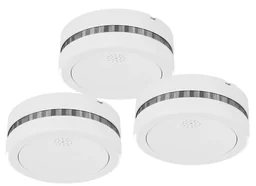
Recurring faults after cleaning and replacing the battery
If the smoke detector keeps flashing red after you've tried all the troubleshooting steps, it probably has an internal fault. Repairs usually aren't worth the cost and may be unsafe. Replace it with a new, certified device.
More advice
Plan to replace your old smoke detectors together rather than one at a time. If a detector in the hallway reaches the end of its service life, the ones in bedrooms and children's rooms are probably around the same age. Replacing all detectors from the same generation at once helps keep safety standards consistent. Packs such as
or make this simple and cost-effective.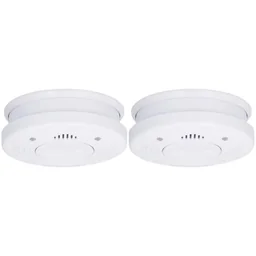
Visible damage
Cracks in the housing, discolored contacts, or water damage can affect how the detector works. A damaged smoke detector can't be relied on. Replace it immediately.
Choosing the Right Smoke Alarms for Your Home
When buying new smoke alarms, you have plenty of options. Use these criteria to improve your home’s safety.
Long-Life Battery vs. Replaceable Battery
Smoke alarms with a permanently installed 10-year lithium battery (such as ) provide maintenance-free protection for their entire service life. Devices with replaceable batteries cost less upfront but require annual attention. Weigh convenience against the purchase price.
Look for Certifications
Only buy smoke alarms with recognized certification marks such as VdS or TÜV. These confirm that the device meets strict standards (e.g. DIN EN 14604). Avoid no-name products without clear certification. Your safety is not something to experiment with.
Interconnection and Smart Features
Modern smoke alarms can be interconnected wirelessly. If one device triggers an alarm, all the others in the house will sound as well. This feature is particularly valuable in multi-story homes or large apartments. It also warns you when the fire is far from where you are.
Preventive Maintenance: How to Avoid Red Flashing
With a simple maintenance schedule, you can keep your smoke alarms working reliably and prevent fault signals.
Monthly Function Test
Press the test button on each smoke alarm once a month. Hold it down until the alarm sounds and the LED lights up. This test checks the entire alarm chain – electronics, sounder and battery. Make this check part of your routine, for example on the first weekend of every month.
Annual Thorough Cleaning
Remove the smoke alarms from the ceiling once a year – ideally when replacing the battery. Vacuum the ventilation slots thoroughly. Check the housing for damage. This small effort significantly extends the reliable service life of the sensors and is part of comprehensive home maintenance.
Keep Records
Create a list of all the smoke alarms in your apartment or house. Record the location, installation date, battery type and planned replacement date. Update this list every time you carry out maintenance. This overview gives you control and peace of mind when planning.
A flashing smoke alarm is no cause for concern; it’s a helpful feedback system. Respond promptly to its signals. Check the battery, clean the sensors and replace outdated devices. With this knowledge and minimal effort, you can maintain reliable protection against fire hazards. Your home’s safety is in your hands.
Frequently Asked Questions
- How often does a smoke alarm flash when the battery is low?
- A smoke alarm typically warns you of a low battery with a short, regular beep accompanied by a red flash about once a minute. This signal can vary depending on the model, but it always serves the same purpose: to alert you that the battery needs replacing. If in doubt, consult the operating instructions for your specific device.
- Can I simply remove a flashing smoke alarm?
- No. Simply removing or disabling a flashing smoke alarm only eliminates the symptom, not the cause, and puts your home’s safety at risk. Instead, identify the cause of the signal. If the battery is empty, replace it. If the device is dusty, clean it. If it has reached the end of its service life, replace it immediately with a new model.
- Why is my new smoke alarm flashing red?
- A new smoke alarm often flashes red briefly after installation to indicate that it is ready for use. Some models also display this signal at long intervals during normal operation. Check the operating instructions. However, a red light that stays on or pulses rapidly on a new device may indicate an installation error or a defect.
- How long does a smoke alarm battery last?
- Battery life depends on the type of device. In models with replaceable 9V block batteries, it lasts around one year. 10-year smoke alarms have a non-replaceable long-life lithium battery that lasts for the entire service life of the device. The smoke alarm will warn you in good time when the battery is nearing the end of its life with audible and visual signals.
- Do I need to replace a smoke alarm after 10 years?
- Yes. The sensors in smoke alarms undergo a natural aging process. After 10 years of operation – or earlier for some models – their reliability is no longer guaranteed. The devices have reached the end of their functional service life. Replace them completely at this point, even if they are not yet showing a fault signal. This is a key aspect of home safety.
You May Also Be Interested In
- Smoke Alarm Test & Comparison 2026
- Chimney Smoking or Going Out? Common Problems & Solutions
- Fire Safety at Home: Your Guide to Maximum Safety
- What to Do in Case of Fire: How to Protect Yourself & Your Home
- Battery Not Charging? Fix 18V Li-Ion Battery Problems Yourself
- Learn How to Put Out Fires: Fire Safety for Your Home