
In brief: Support garden birds with year-round food sources and safe nesting sites. Plant native shrubs for natural food and shelter. Avoid pesticides to preserve the insect population. Provide nest boxes for cavity-nesting birds and leave fallen leaves and faded perennials in place in autumn as winter shelter. A diverse, wildlife-friendly garden is the best way to protect birds.
Support Garden Birds: Nesting Sites and Food
A garden full of life is more than just green. Birdsong is what makes it complete. Birds need two things: safety and food. Provide both to attract feathered visitors all year round.
The key is to stop trying to keep everything perfectly tidy. Avoid excessive neatness and chemical aids. Choose diversity instead. A wildlife-friendly garden is the best foundation for successful bird conservation.
Why do garden birds need our help?
Modern landscapes offer less and less. Intensive farming, sterile gardens and sealed surfaces are drastically reducing habitats. Food supplies are dwindling.
Insects, the most important source of protein for young birds, are becoming less common. Natural nesting sites in old trees and dense hedges are disappearing. This is where your garden becomes an important stepping-stone habitat.
Private gardens have enormous potential for species conservation. Even the smallest wildlife-friendly area can be vital for the survival of birds, insects and small mammals.
Your help has a direct impact. A nest box can mean a successful brood. A hedge rich in food can help birds survive the winter. Every measure counts.
How do I create an insect-friendly natural garden?
Start with the plants. Native species are unbeatable. They are adapted to the climate and soil and provide native insects with exactly the food they need. These insects, in turn, feed the birds.
Plan in layers: tall trees, medium-sized shrubs, perennials and ground cover. This structural diversity creates different microclimates and countless hiding places. A well-equipped garden needs the right tools to maintain this variety.
Pro tip
Leave faded perennials standing over winter. Their hollow stems provide insects with shelter for overwintering. The seed heads of sunflowers, thistles and teasels are popular winter food for finches and other seed-eating birds.
Say goodbye to the perfectly manicured lawn. A wildflower meadow, or even just a wild corner with nettles, attracts butterfly caterpillars and other insects. Mow no more than twice a year.
Choosing the right plants
Choose plants with multiple benefits. An elderberry shrub flowers for insects, produces berries for birds and provides dense foliage for nesting. This combination is ideal.
Berry-bearing shrubs are essential. Firethorn, rowan, sea buckthorn and wild roses provide food from summer well into winter. The fruit of many cultivated varieties, on the other hand, is often of little value to wildlife.
Don't forget climbing plants. Ivy provides late flowers for insects, winter berries for birds and evergreen cover for nesting. Virginia creeper creates similarly good conditions.
Where do birds build their own nests?
Many bird species nest in cavities. They use natural tree hollows or woodpecker holes. These are becoming increasingly rare in tidy gardens and young woodland. Nest boxes provide a replacement.
Other species are open-nesters. They build their nests in dense shrubs, hedges or tall grass. Support these birds by allowing untidy, dense areas to develop. An untrimmed hedge of native shrubs is a perfect nursery.
Important note
Clean nest boxes only in late summer or autumn, after the breeding season. Never use chemicals—just hot water and a brush. Wear gloves when cleaning to protect yourself from parasites.
Ground-nesting birds such as robins build their nests in sheltered spots on the ground. Leave piles of leaves beneath shrubs. Stack branches and garden cuttings into a small deadwood pile. This provides shelter for many animals.
How to hang and maintain nest boxes correctly
Buy or build boxes from untreated wood. The entrance hole must be the right size: 32 mm in diameter for nuthatches and great tits, 26 mm for blue tits. Larger holes attract competitors.
The location is crucial. Hang the box two to three metres above the ground. The entrance should face east or southeast, protected from the strong midday sun and prevailing rain. Secure the box against cats and martens.
Check nest boxes for dirt only before the breeding season. During breeding, any disturbance is strictly off limits. Birds might abandon their eggs.
A wildlife-friendly garden does not need exotic ornamental shrubs. Our native birds have adapted over thousands of years to the plants and insect life found here. This cycle cannot be replaced.
How do I feed garden birds correctly?
Feed birds all year round. Winter feeding helps them survive. Summer feeding supports parent birds during the demanding task of raising their young. The quality of the food is important.
Distinguish between seed-eating and soft-food-eating birds. Finches, sparrows and tits love sunflower seeds and high-energy suet feed such as our
. Robins, blackbirds and wrens prefer soft food such as oatmeal, raisins or dried insects.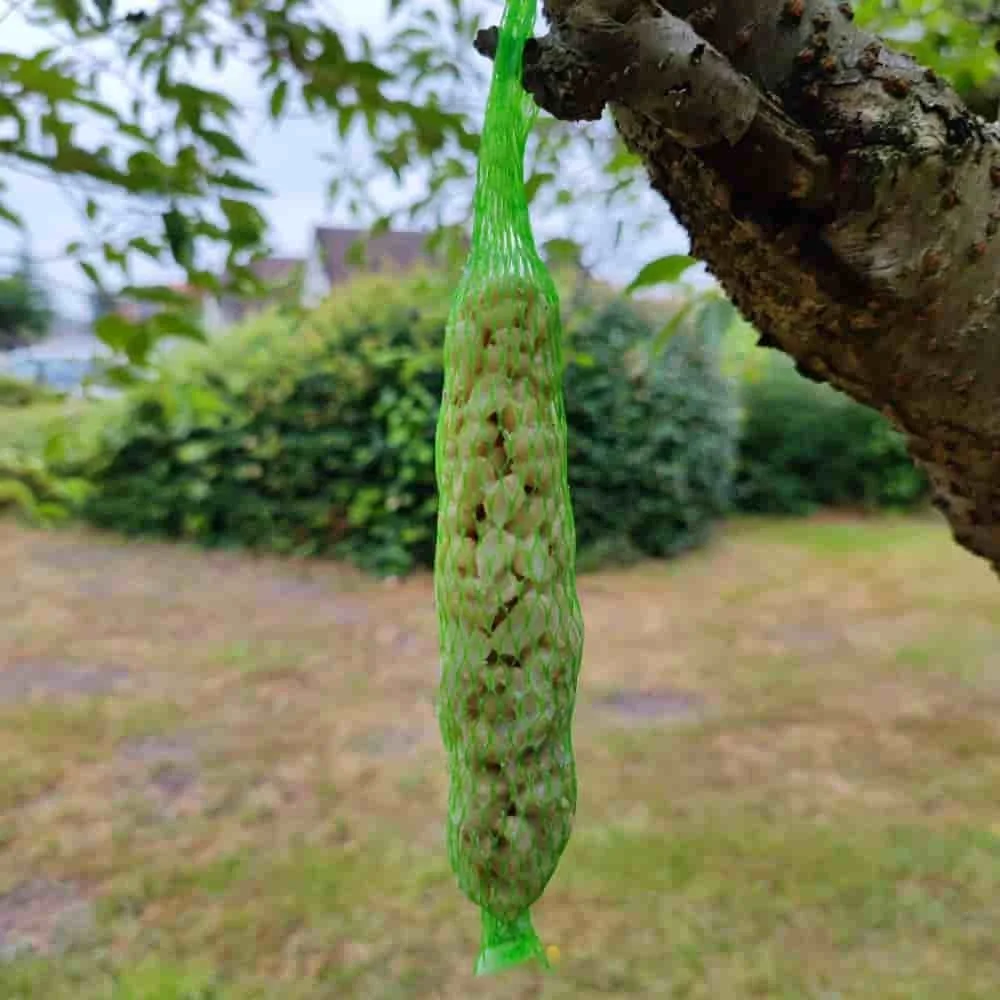
Hygiene is the top priority. Feeding stations must be kept clean. Clean birdhouses and feeders regularly with hot water. Remove any damp food immediately, as it quickly becomes mouldy. A suitable bird feeder minimises mess.
Additional advice
Place a shallow bowl of fresh water outside. Birds drink and bathe in it. Change the water daily. In winter, replace the birdbath with a frozen water ball or regularly defrost the bowl. Water is often in shorter supply than food in winter.
Place feeding stations in a sheltered location. Near bushes, birds have a quick escape route if threatened by sparrowhawks or cats. However, leave enough distance to prevent a cat from stalking them.
Choosing the right bird food
Cheap bird food often contains fillers such as wheat grains, which many birds avoid. Invest in high-quality mixes. Our
offers a balanced scatter feed mix for many species.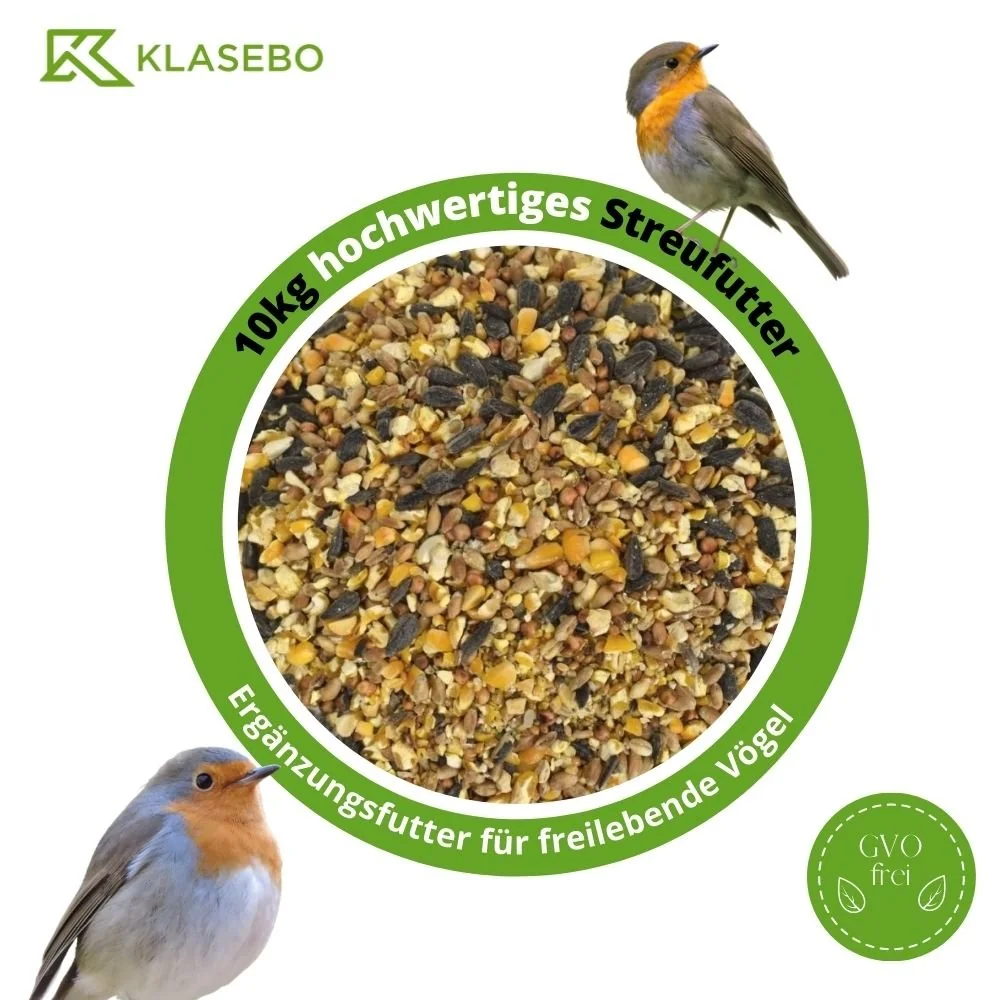
Special mixes are suitable for larger birds such as pigeons, as well as backyard chickens. Our
is a universal pigeon feed. For poultry keepers, our range of chicken feed offers suitable products.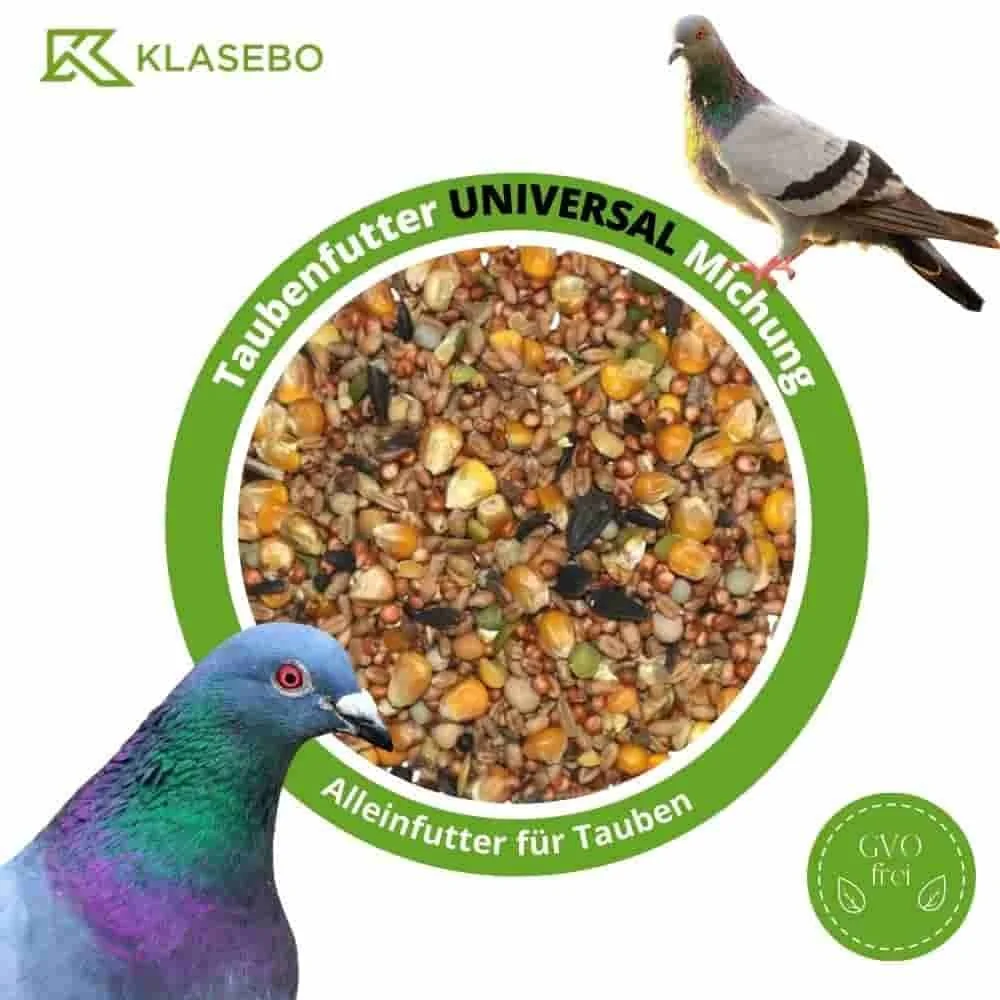
Peanuts are a high-energy treat, especially in winter. Make sure you choose unsalted, unroasted products specifically intended for birds. You will find the right quality in our range of peanuts.
Suet feed such as fat balls or rings is ideal in winter. Offer it in special feeders so birds do not get stuck in the fat. Make sure any plastic nets are designed so birds cannot become entangled in them.
How can I protect birds from natural predators?
Threats are everywhere. Domestic cats are the most common predators. Create safe zones for birds. Place nest boxes and feeding stations where cats cannot reach them.
Windows are a deadly trap. Birds see the reflection of the sky and trees. Cover large panes of glass from the outside with stickers or patterns. Special UV-reflective films are invisible to us, but birds can see them.
Avoid using robotic lawnmowers at dusk and at night. Hedgehogs, fledglings and amphibians have no chance. Mow from the inside out so animals can flee into the surrounding bushes.
My garden through the seasons: an action plan
Bird protection is not a one-off task. Care for your garden throughout the year. Each season brings different jobs.
Spring: Hang up the last nest boxes. Start summer feeding, especially with protein-rich food to support the rearing of young birds. Plant native perennials and shrubs now.
Summer: Provide plenty of water. Leave sections of lawn or meadow uncut until they have finished flowering. Do not harvest all the berries from your bushes. Plan your autumn planting.
Autumn: Clean the nest boxes. Leave leaves and perennials in place. Plant trees and shrubs now. Start winter feeding as soon as natural food becomes scarce.
Winter: Feed birds regularly and hygienically. Provide frost-free drinking water. Check nest boxes for roosting birds during frosts. Plan your garden design for the following year.
A bird-friendly garden is never finished. It evolves over time. Observe which species visit. Adapt what you offer. The effort is worthwhile. Your garden will become livelier, more diverse and more beautiful with every bird that makes it its home.
Frequently asked questions
- Which bird food is best for native garden birds?
- Sunflower seeds and high-energy suet food are suitable all year round. In winter, also offer soft food such as porridge oats or dried berries. Avoid salty or seasoned leftovers. High-quality bird seed such as PRODUCT_23316 meets the needs of many species.
- When should I put up nest boxes in the garden?
- Autumn is the best time. This allows birds to use the boxes as sleeping quarters in winter and become familiar with them as nesting sites in early spring. Put up nest boxes by February at the latest, before the breeding season begins.
- How can I make my garden more insect-friendly for birds?
- Plant native perennials, shrubs and herbs such as lavender, yarrow and wild roses. Leave wild areas with nettles and dead wood. Avoid chemical pesticides altogether. This creates a rich insect habitat as a natural source of food for birds.
- Can I feed birds in summer too?
- Yes, feeding birds all year round can be beneficial, especially while they are raising their young in early summer. Choose protein-rich food such as dried insects or mealworms. Ensure the feeding area is kept absolutely hygienic to prevent disease.
- Which plants provide birds with natural shelter and food?
- Native trees and shrubs such as elder, blackthorn, hawthorn and rowan provide berries, flowers for insects and dense cover for nesting. Perennials with seed heads, such as coneflowers or thistles, provide natural food in winter. For a true wildlife garden, always include a mixture of different heights and structures.
You may also be interested in
- Garden birds: How to create a paradise for feathered friends
- Identifying garden birds: Which species visit your garden?
- Attracting birds: How to turn your fat ball feeder into a hotspot
- Feeding garden birds: How to do it right all year round
- Cats in the garden? How to protect your birds effectively
- Feeding birds in winter: How to help native species