
In brief: A Swedish house is a timber home in the Scandinavian style, typically featuring a vertical wood facade in colors such as Falun red, gray or ochre, with white contrasting elements. Building one requires careful planning, choosing the right wood and regularly maintaining the facade to preserve its durability and distinctive appearance.
A red timber home with white windows, surrounded by green nature—that is the image many people have in mind when they think of a Swedish house. These buildings embody a lifestyle defined by coziness, a connection with nature and understated elegance. Scandinavian style is more than just an aesthetic; it is a commitment to sustainability and functionality. Building your own timber home requires planning, knowledge of materials and proper maintenance.
What makes a Swedish house so special? The features of Scandinavian style
The charm of a Swedish house lies in the combination of traditional looks and modern construction. Its visible wood structure creates an immediate sense of warmth. These homes blend harmoniously into their surroundings, whether in the countryside or a suburban neighborhood. They represent an architectural style that puts people and nature at the center.
The typical facade design: More than just Falun red
The famous “Swedish red,” also known as Falun red, is the hallmark of many Scandinavian timber homes. This color has a long tradition. Originally, it was a byproduct of the copper mines in Falun and provided affordable, effective protection for wood. The pigments allow the wood to breathe while protecting it from harsh weather conditions.
But the color palette is more diverse. Ochre yellow, muted blue, deep anthracite and simple white are also popular choices for wood facade design. Contrast is a key feature: window frames, doors, decorative corner trim and the porch are almost always finished in bright white. This contrast gives the house its fresh and welcoming country-style look.
The wood siding itself is usually installed vertically. Shiplap siding is often used, with the upper boards slightly overlapping the lower ones. This allows rainwater to run off effectively and protects the structure behind it.
The construction method: Sustainable and energy-efficient
A genuine Swedish house is made from the renewable resource wood. It is usually built using wood-frame construction. A framework of solid wooden beams forms the load-bearing structure, while the spaces between them are completely filled with insulation. This construction method delivers excellent insulation values and makes the home highly energy-efficient.
Wood also creates a healthy indoor climate. It regulates humidity by absorbing excess moisture from the indoor air and releasing it again when the air is dry. Many people find living in a timber home especially comfortable and pleasant. Today, most Swedish houses are offered as prefabricated homes, which allows for reliable planning and a short construction time.
The idea that things must be not only beautiful but also functional is deeply rooted in the Swedish psyche. It is not about deprivation, but about appreciating what is essential.
How do I plan the construction of my timber home? From the idea to the foundation
Building a timber home begins long before the first shovel breaks ground. Thorough planning is the foundation of a successful project. You need to consider legal requirements, choose the right materials and coordinate the construction phases.
Building permits and legal requirements
Before you begin detailed planning, check your local zoning regulations. They determine what types of homes are permitted in your residential area. The roof design, ridge height and sometimes even the facade color may be regulated. In most cases, a Scandinavian-style timber home will not be a problem, but clarifying the requirements with the local building authority early on provides peace of mind.
Choosing the right wood
Softwoods are primarily used to build a Swedish house. Native spruce is the classic choice: it is affordable, lightweight and easy to work with. Pine contains somewhat more resin and is therefore more durable. Larch is the most robust option; its high resin content makes it naturally very weather-resistant, although it is also more expensive. For the facade, the choice of wood has a major impact on future maintenance requirements.
Important note
Pay attention to structural wood protection. This means installing the wood so that it is exposed to as little constant moisture as possible. An adequate roof overhang, correct installation of the siding and sufficient clearance from the ground are essential to prevent rot and pest infestations.
Foundation and construction
A timber home is lighter than a masonry home and therefore does not always require such a substantial foundation. A continuous reinforced-concrete slab is usually sufficient. It provides stability and protects the house from rising ground moisture. During construction, it is important to protect all building materials from moisture. Always cover stored construction timber properly, for example with a durable cover tarp for wood, to protect it from rain.
A smaller project such as a Swedish-style garden shed, for example the
in natural finish, is a great opportunity to practice working with wood on a smaller scale before planning an entire home.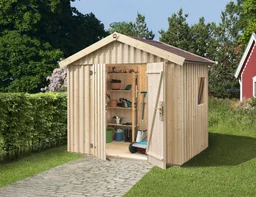
The Art of Interior Design: Hygge at Home
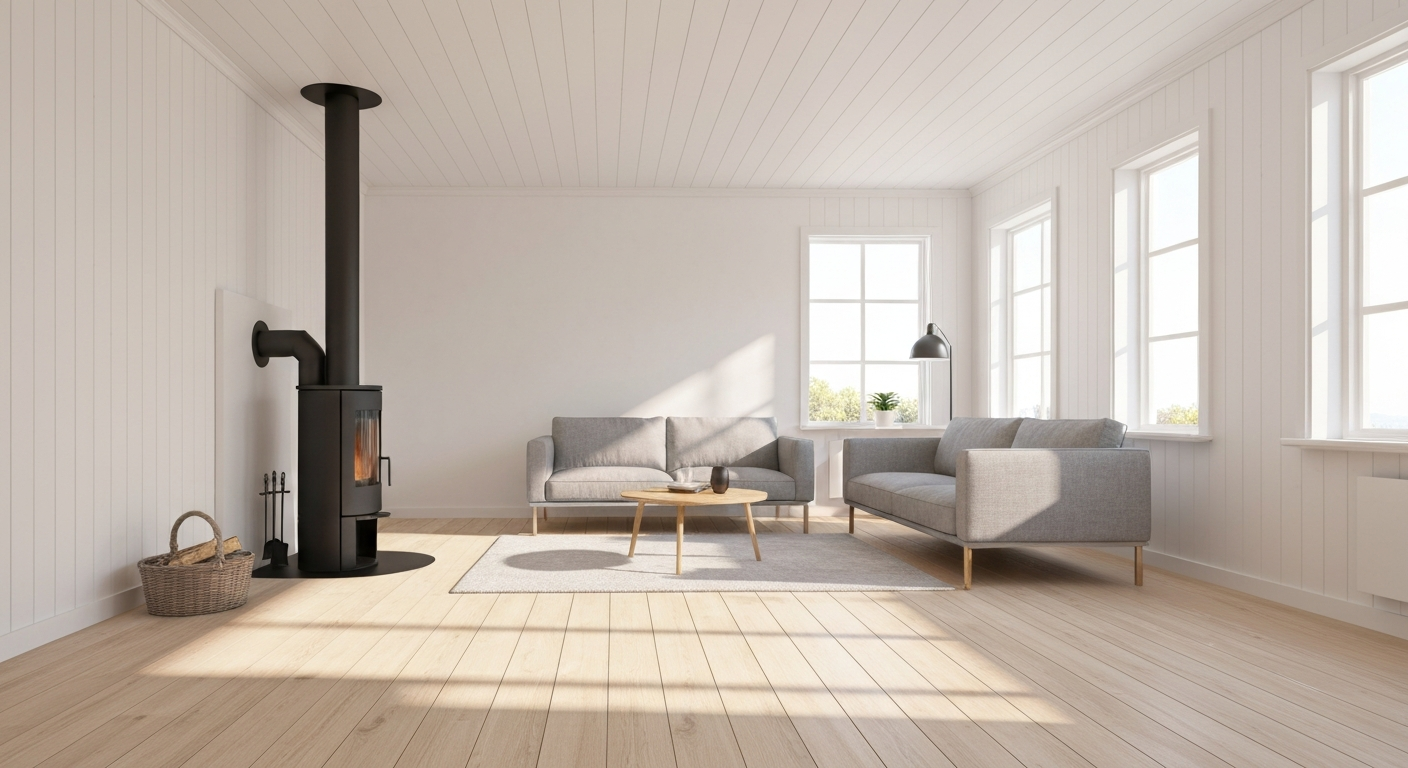
Scandinavian style continues indoors. Brightness, natural elements and understated cosiness, often referred to as “hygge”, define the ambience. The aim is to create a retreat that radiates peace and comfort.
Light Colours and Natural Materials
White or very light-coloured walls are typical. They reflect daylight and make rooms feel larger and more open, which is particularly important during the long, dark Nordic winters. Light wooden floors made from wide, pale floorboards provide a warm, natural contrast. Textiles are dominated by materials such as linen, cotton, wool and fur. They add texture and comfort to the room.
Where Functionality Meets Cosiness
Scandinavian design is known for its clean lines and high functionality. The furniture is often simple but thoughtfully designed. Open-plan layouts that connect the living, dining and kitchen areas are widespread and encourage social interaction. A wood-burning stove is often a central feature, serving as both a source of heat and a cosy gathering place.
Expert tip
Use a variety of light sources. A combination of ceiling lights, floor lamps and candles creates a dynamic and cosy atmosphere that can be adapted to suit your mood. Dimmers are a worthwhile investment for flexible control of light intensity.
This interior style can be applied throughout the home. In a child's bedroom, too, the combination of light colours and natural materials creates a calming atmosphere. Add charming country-style children's furniture to create a harmonious overall look. Take inspiration from different styles & designs to add your own personal touch.
Why Is Proper Maintenance Essential for a Wooden House?
A wooden house is an investment in the future. To keep it looking beautiful and structurally sound for decades, it requires regular attention and maintenance. The exterior in particular is exposed to the elements and must be protected.
Maintaining the Exterior: Painting and Protection
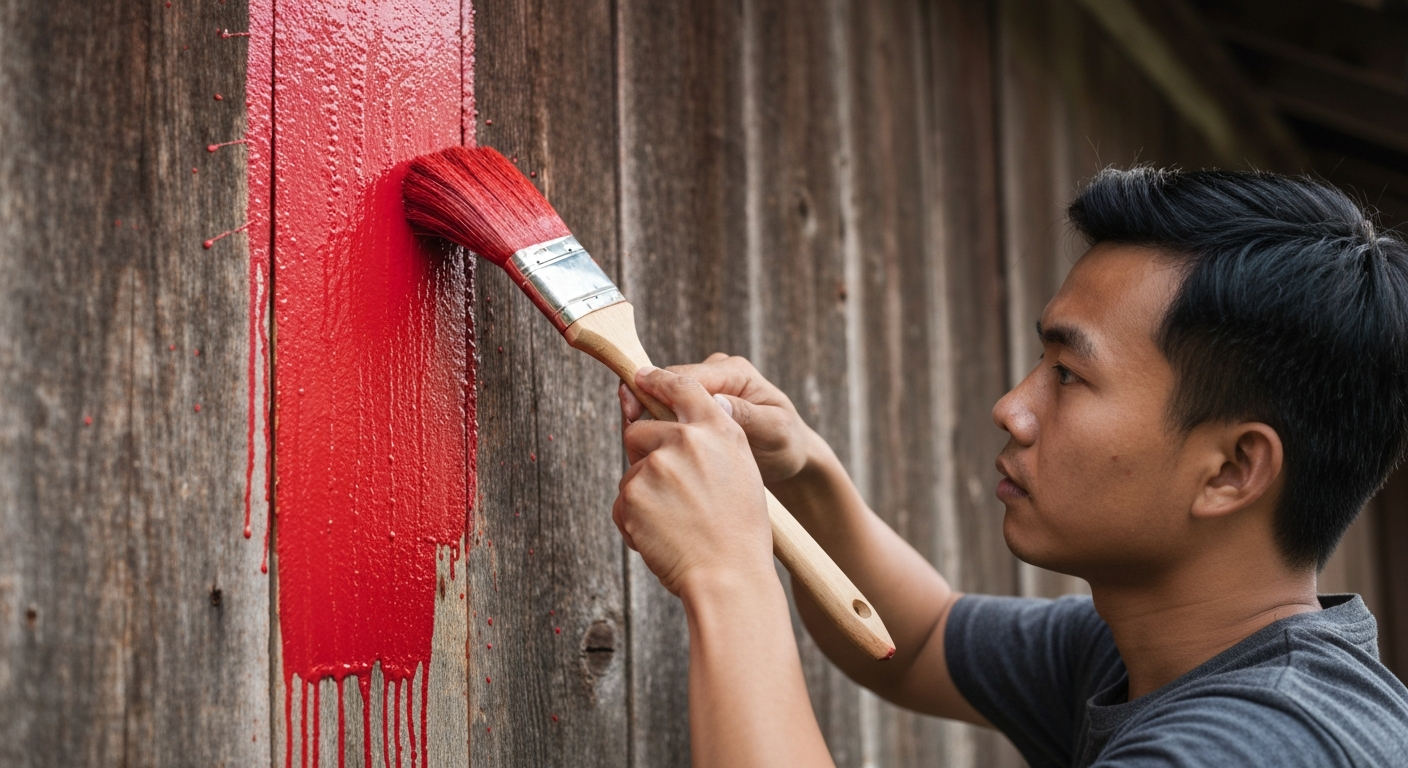
The wooden exterior is your home's protective shield. Depending on the type of coating and the intensity of sunlight and rain, it must be renewed at regular intervals. Traditional slurry paints such as Falun red are vapour-permeable, meaning they allow the wood to breathe. They need to be renewed approximately every 5 to 10 years. Modern acrylic paints or wood stains form a more resistant layer and often last 10 to 15 years. Inspect the exterior annually for cracks or flaking paint so that you can take action in good time.
Wood is the only building material that grows back. Its use in construction stores carbon over the long term and therefore makes an active contribution to climate protection.
Protection from Moisture and Pests
Moisture is wood's greatest enemy. Ensure good ventilation around the house so that the exterior can dry quickly after rain. Trim shrubs and trees that grow too close to the house. Regularly check all connections, such as those around windows and doors, for watertightness. Seal cracks in the wood immediately to prevent moisture from getting in.
Additional advice
Check gutters and downpipes at least twice a year, in spring and autumn. Blockages caused by leaves can lead to standing water, which may overflow and permanently damage the wooden exterior. Keeping water drainage clear is one of the simplest and most effective ways to protect the longevity of your home.
The Swedish House in the Garden: Small Nordic-Style Retreats
The Scandinavian dream does not have to end at the main house. It can easily be extended into the garden. A garden house, tool shed or children's playhouse in the Swedish style creates a harmonious connection between indoors and outdoors.
Models such as the
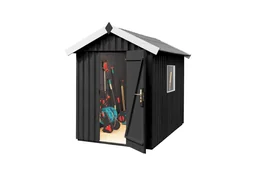
Surround your garden house with landscaping that reflects its Nordic character. Create paths using light-coloured gravel, plant hardy grasses and wildflowers instead of perfectly ordered flower beds, and add simple wooden furniture. This will create a small oasis of calm. For the youngest members of the family, the garden becomes an adventure playground equipped with sturdy wooden toys that perfectly complement the natural and safe surroundings.
Building and living in a Swedish house is a conscious decision in favour of a close-to-nature, sustainable and cosy lifestyle. From careful planning and thoughtful design to regular maintenance, you create a home that is more than just a house—it embodies a way of life.
Frequently Asked Questions
- How often does a Swedish house need to be painted?
- Painting intervals depend on the type of paint and the weather. Breathable clay paints need repainting every 5 to 10 years, while modern paints and wood stains often last 10 to 15 years. Regularly inspecting the exterior is essential for determining the right time to repaint.
- Is a timber-frame house more expensive than a brick-built house?
- The costs are comparable. While the material costs for timber may be higher, the often shorter construction time for prefabricated timber-frame homes can save on labour and financing costs. Total costs depend heavily on the features, the amount of work you do yourself and the complexity of the design.
- What are the benefits of a timber house for the indoor climate?
- Wood is a breathable building material that can absorb and release moisture. This naturally regulates humidity and creates a pleasant, healthy indoor climate. Wood also has a warm surface and good insulating properties, which improves living comfort.
- Which type of wood is best for a Swedish house?
- Locally sourced softwoods such as spruce, pine or larch are usually used for the exterior and load-bearing structure. Spruce is affordable and easy to work with. Larch is naturally more resistant to the weather, but also more expensive. The choice depends on your budget and the maintenance intervals you prefer.
- Can you build a Swedish house as a prefabricated home?
- Yes, most Swedish houses are now built as prefabricated homes using timber-frame or timber-panel construction. This enables high precision, fast assembly on site and reliable cost planning. Custom designs are just as possible as standardised models.
You might also be interested in
- Timber house maintenance: Ensure your home lasts for years
- DIY Swedish fire log: Add cosiness to your garden
- Build your own house – step by step to your dream home
- Build your own garden shed: Create your perfect retreat
- Living in a one-euro house: Affordable renovation and design
- Designing a country kitchen: Rustic charm for your home