
In brief: If your sweeper is not sweeping properly, first check the brushes and sealing lip for wear. Then adjust the sweeping height so the bristles make proper contact with the ground. Check the drive for blockages, and make sure the dirt container is empty and fitted correctly.
A sweeper saves time and spares your back. But what should you do if it stops sweeping properly? When it leaves dirt behind or creates streaks, frustration can set in quickly. The good news is that the cause is usually simple, and you can often fix it yourself in just a few steps. From worn brushes to incorrect settings, this guide covers the most common problems and how to solve them.
How can I tell if the sweeping brushes are worn?
Worn brushes and a damaged sealing lip are the most common causes of poor sweeping performance. These parts stay in contact with the ground and wear down over time. You can often get your sweeper working like new again by replacing them, without replacing the whole machine.
The sweeper replacement parts set (), which includes two new disc brushes and a fresh sealing lip, is a great first fix. It can quickly restore your sweeper's performance.
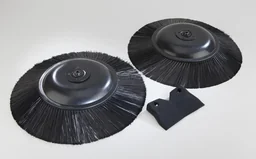
Look out for these clear signs of wear:
- Short bristles: Compare the bristles with their original length. If they are noticeably shorter, they lose their spring and can no longer pick up dirt effectively.
- Flattened or bent bristles: Bristles that stay bent in one direction or lie flat have lost their spring. They slide over dirt instead of sweeping it up.
- Gaps in the bristles: Missing tufts leave streaks and patches of dirt behind.
- Frayed ends: Heavily frayed bristle ends are a sign of significant wear and can no longer pick up fine dust effectively.
The sealing lip at the back of the sweeping housing is just as important. An intact lip follows the ground and keeps stirred-up fine dust from escaping behind the machine. If the lip is cracked, hard or partly torn off, the sweeper will perform especially poorly on smooth surfaces.
Pro tip
Before removing any parts, take a photo of how the brushes and drive are arranged. This makes reassembly easier and helps you put everything back in the right place.
How do I adjust my sweeper correctly?
Even new brushes will not deliver great results if the settings are wrong. Adjust the height of the main sweeping roller and disc brushes to suit the surface. The wrong setting can leave dirt behind or wear out the brushes faster than necessary.
Adjusting the height of the main sweeping roller
The main sweeping roller does most of the work, so its setting has a big impact on the results. Look for an adjustment wheel or lever, usually near the wheels or on top of the housing. Make small adjustments until you find the right height.
Place the machine on a level surface and adjust the height until the bristle tips just touch the ground. Push the sweeper forward one metre. You should feel a little resistance. If the bristles bend too much, there is too much pressure. If they barely reach the ground, the gap is too large. The right setting lets the bristles sweep effectively without putting them under too much strain.
Adjusting the disc brushes (side brushes)
The side brushes move dirt from corners and along edges toward the main roller. You can often adjust their contact pressure, too. They should lightly “scratch” the ground without being forced against it. If they are set too low, they slow the machine and wear out quickly. If they are set too high, dirt gets left along the edges.
Adjusting the brushes is not a one-time job. Set their contact pressure to suit the surface, whether you are sweeping rough concrete or smooth screed. This helps maximize cleaning performance and the service life of the parts.
Why have the brushes on my sweeper stopped turning?
This is especially frustrating: you push the machine, but nothing happens. The brushes stay still. The problem is usually with the drive mechanism, which transfers movement from the wheels to the brushes. Here are the three main things to check.
Clearing blockages and foreign objects
The cause is often simple: long grass, cords, leaves or plastic film can wrap around the brush or roller axles and jam them. When that happens, the whole drive can stop.
Carefully tilt the machine on its side so you can reach the underside. Check around the disc brushes and main roller. Remove any foreign objects carefully by hand or with pliers. Turn the brushes by hand to make sure they move freely again.
Important note
Before inspecting or cleaning the sweeping mechanism on a cordless or gas-powered sweeper, remove the battery or disconnect the spark plug cap. This prevents the machine from starting accidentally and helps protect you from injury.
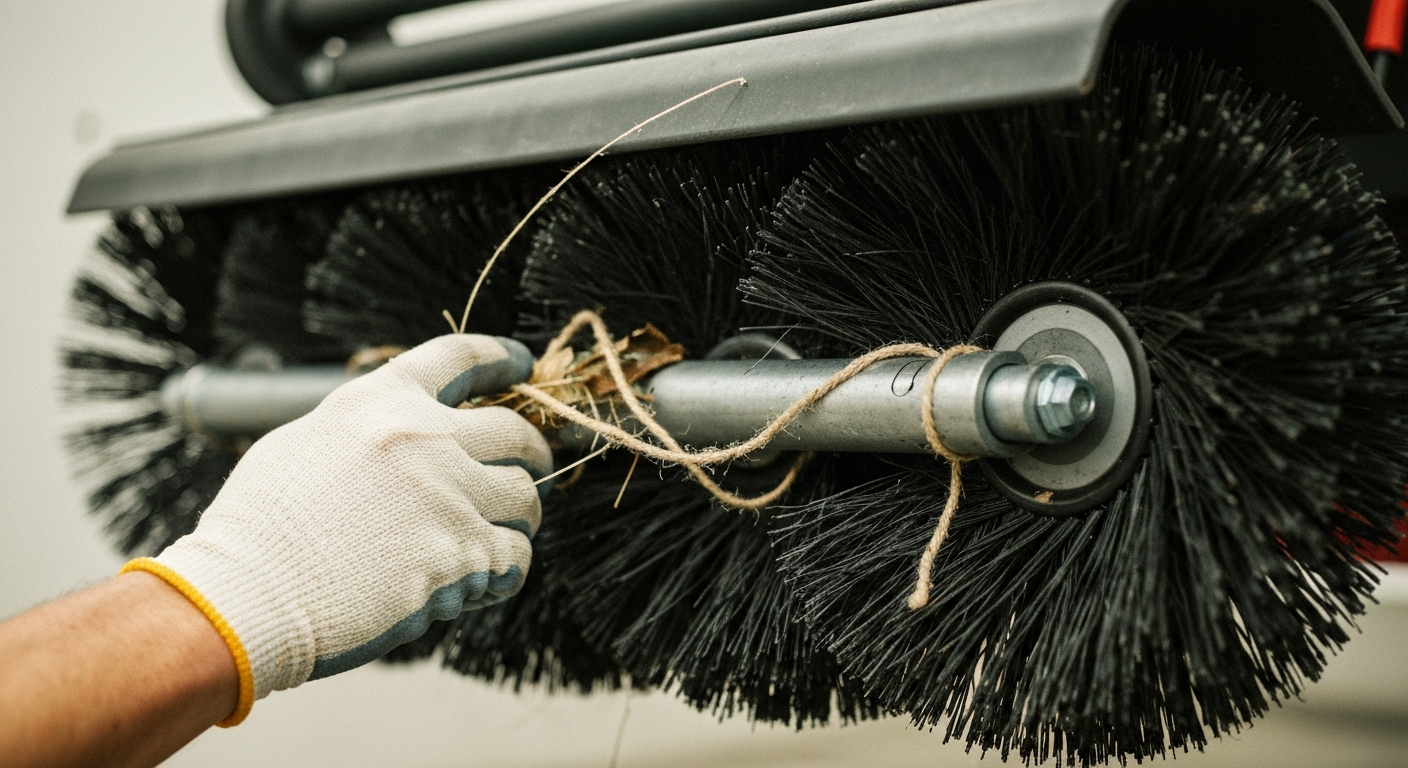
Checking the drive belt or gears
Many walk-behind sweepers use a belt or gear drive to transfer power from the wheels to the brushes. Open the side cover according to the operating instructions. Check that the belt is still on the pulleys and has enough tension. Replace any broken or worn belt. If the machine has a gear drive, check for broken teeth or dirt blocking the gears.
Checking the wheels and axles
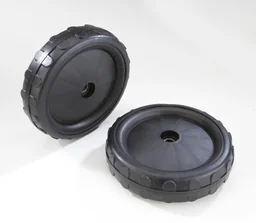
The drive starts at the wheels. If they lose traction or are hard to turn, they cannot transfer power to the brushes. Check the wheel tread. If it is badly worn, the wheels may slip on smooth surfaces. Replace damaged or heavily worn wheels. A set of sweeper replacement wheels () restores traction and smooth power transfer.
What should I do if my sweeper doesn’t pick up dirt?
The brushes are rotating and the machine is moving, but the dirt isn’t ending up in the container—it’s just being spread around. This usually means the path for the swept material is blocked or something is interfering with collection.
Is the dirt container full or installed incorrectly?
It sounds obvious, but it’s easy to overlook: A full collection container can’t hold any more dirt. Empty it regularly. Also check that the container is installed correctly and sits flush. If it’s crooked, a gap can form, allowing dirt to escape or blocking the intake.

The sealing lip is key to collecting dirt
We mentioned it earlier when discussing wear, but the sealing lip plays a crucial role in collecting dirt. The rubber lip at the edge of the dirt container is more than a seal—it also acts like a “scoop.” It helps direct dirt thrown up by the main roller into the container. If the lip is hard, wavy, or cracked, much of the fine debris will pass underneath it. Replacing it is easy and can make a huge difference.
Additional tip
Sweep in even, slightly overlapping passes. Pushing too quickly can cause the brushes to fling dirt away instead of picking it up. A moderate, steady pace produces the best results.
How can I extend the life of my sweeper?
Prevention is better than repair. With regular care, you can maintain consistent sweeping performance and significantly extend the life of your machine. This applies to simple manual sweepers as well as powerful models in our power tool range.
Clean the machine after every use
Take two minutes to clean up after you finish. Remove coarse dirt, leaves, and threads from the brushes and housing. Empty the dirt container and wipe it out with a damp cloth if needed. This keeps dirt from building up and blocking moving parts.
Store it properly
Store your sweeper in a dry, sheltered place. Direct sunlight and moisture can make plastic parts brittle and rubber lips hard. If possible, hang up the machine or position it so the bristles aren’t pressed flat. This helps them keep their shape and springiness.
I used a manual sweeper for years. When I got a larger yard, I switched to a battery-powered sweeper. The consistent brush rotation, even in corners, makes a huge difference. It’s nothing like simply pushing a manual sweeper along.
When is it worth buying a new sweeper?
Even with the best care, every machine eventually reaches the end of its service life. If the frame, wheel mounts, or drive system are significantly damaged in addition to the usual wear parts, repair costs can quickly exceed the cost of a new machine. Modern models often offer greater convenience and better performance, too.
The battery-powered sweeper TE-SW 18/610 () features motorized brush rotation, for example. This delivers even sweeping results with minimal effort, even when you’re walking slowly. For professionals or large properties that need business supplies, gas-powered models are a powerful alternative.
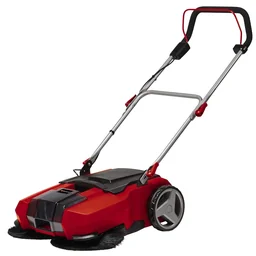
Whether you repair or replace your sweeper, a properly working machine is an indispensable helper. With the right steps and suitable replacement parts, you can keep your yard and sidewalks clean with ease. Browse our Garden + Outdoor products to find the perfect solution for your needs.
Frequently asked questions
- Why does my sweeper leave a strip down the middle?
- This usually means the main brush rollers are worn or the height is set incorrectly. The bristles in the middle are too short to reach the ground. Replacing the brushes will usually solve the problem.
- How often should I replace my sweeper’s brushes?
- Brush life depends on how often you use the machine and the type of surface you sweep. Check the bristles every few months. If they’re visibly shorter, frayed, or flattened and sweeping performance is declining, it’s time to replace them.
- My sweeper squeaks when I push it. What can I do?
- Squeaking is often caused by dry wheel axles or brush bearings. Clean these areas to remove dirt, then apply a little silicone spray or multipurpose oil to the moving parts. This reduces friction and noise.
- Can I use a sweeper to pick up wet leaves?
- It’s not ideal. Wet leaves are heavy and sticky, so they can quickly clog the brushes and the intake to the container. Sweepers work best with dry or slightly damp material. It’s best to wait for a dry day.
- The drive belt on my sweeper snapped. Can I replace it?
- Yes. On most models, the drive belt is a replaceable wear part. You can often find replacement belts from the manufacturer or at specialty retailers. Installation is usually straightforward and described in the instruction manual.
You may also be interested in
- Buy sweeper replacement parts: The ultimate guide
- Sweeper maintenance: How to replace brushes and sealing lips correctly
- Types of sweepers: The ultimate guide
- Sweeper reviews and comparison 2026
- How to clean and maintain a sweeping set: Make it last longer!
- How to use a standing sweeping set correctly: The guide to effortless sweeping