
In brief: The most important fertilizers are organic slow-release fertilizers such as compost or cattle manure, mineral complete fertilizers for quick results and special lawn fertilizers. Organic varieties improve the soil, while mineral fertilizers specifically correct nutrient deficiencies. The right choice depends on the plant, soil and time of year. Combining both types is often ideal.
The Most Important Fertilizers for a Healthy Garden
A healthy garden starts with good soil. The right nutrients fuel strong growth, abundant flowers and plentiful harvests. But the choice of plant fertilizers is vast. We show you which fertilizers are truly essential.
They differ in origin, how they work and which plants they are intended for. Organic and mineral fertilizers form the foundation. Special fertilizers round out the range for lawns, vegetables or trees and shrubs.
Expert tip
Have your soil tested before applying fertilizer for the first time. It reveals the pH value and the nutrients already present. This allows you to fertilize precisely and avoid overfertilization. Many local gardening authorities offer this service.
Think of your garden as a complex system. Every plant is an individual with its own needs. A lawn needs different nutrients from a tomato plant. A rose bush has different requirements from an apple tree.
What are the basics of plant nutrition?
Plants mainly need three primary nutrients to live. Nitrogen (N) promotes leaf and shoot growth. Phosphorus (P) is essential for root development and strong flowering. Potassium (K) regulates water balance and strengthens cell walls.
Plants also need trace nutrients such as iron, magnesium or zinc. They are required in smaller amounts but are just as important. A magnesium deficiency often appears as yellow leaves with green veins.
The NPK numbers on every fertilizer pack reveal the ratio of these primary nutrients. Lawn fertilizer often has a high nitrogen content (the first number). An autumn lawn fertilizer contains plenty of potassium (the third number) to improve frost resistance.
The art of fertilizing lies not in using more, but in using the right amount. Providing nutrients according to the plant’s needs strengthens it sustainably. Overfertilization weakens the plant and harms the environment.
How do organic and mineral fertilizers work?
Organic fertilizers come from plant or animal materials. Examples include compost, horn shavings or cattle manure. They first have to be broken down by soil organisms. Only then do the nutrients become available to the plant.
Organic fertilizers therefore work slowly and gently over several weeks. They also improve soil structure and support active soil life. They are an investment in the long-term health of your garden.
Mineral fertilizers are chemically produced nutrient salts. Their nutrients are available in water-soluble form. Plants can absorb them immediately. The effect is quickly visible, especially in cases of acute nutrient deficiency.
However, applying too much mineral fertilizer can “burn” plants. It can also pollute groundwater. Use mineral fertilizers carefully and according to the instructions on the pack.
Which organic fertilizers belong in every garden?
Granulated cattle manure is an excellent, versatile organic fertilizer.
is one such organic fertilizer. It supplies vegetables, roses and perennials with natural nutrients.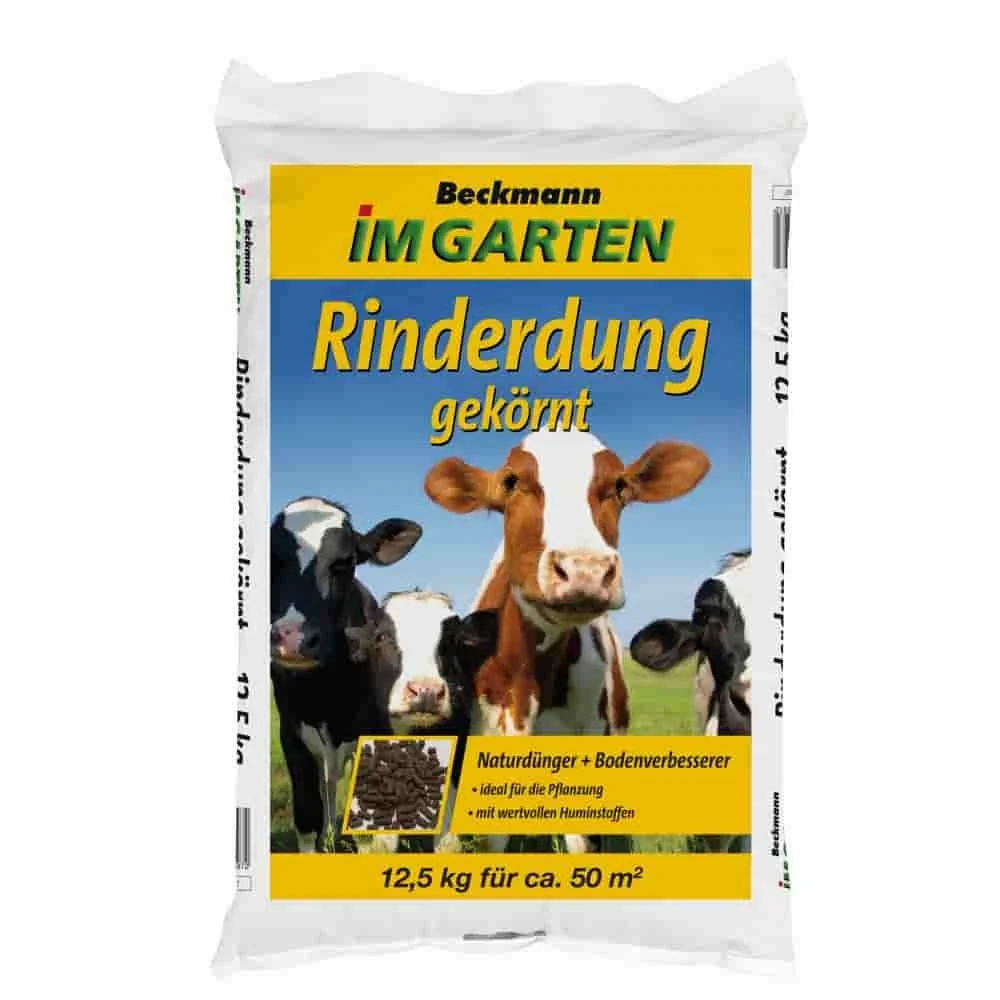
Cattle manure sustainably improves soil fertility. Its nutrients are released slowly, helping to prevent leaching. Work it lightly into beds in spring or spread it as a mulch layer.
Homemade compost is the king of organic fertilizers. It provides not only nutrients but also valuable humus. A composter is therefore a worthwhile investment for every garden.
Horn shavings or horn meal are pure nitrogen fertilizers with a very long-lasting effect. They are ideal as a starter fertilizer for hungry plants. Mix them into the soil when planting new trees or shrubs.
Important note
Store organic fertilizers such as cattle manure in a dry place protected from rain. Moisture activates decomposition, causing nutrient loss and unpleasant odours. Always seal opened bags securely.
When should I use mineral complete fertilizers?
Mineral complete fertilizers provide emergency help in the garden. They quickly correct an identified deficiency. Plants can benefit from this instant source of nutrients, especially during the main growing season from April to July.
A general-purpose fertilizer such as
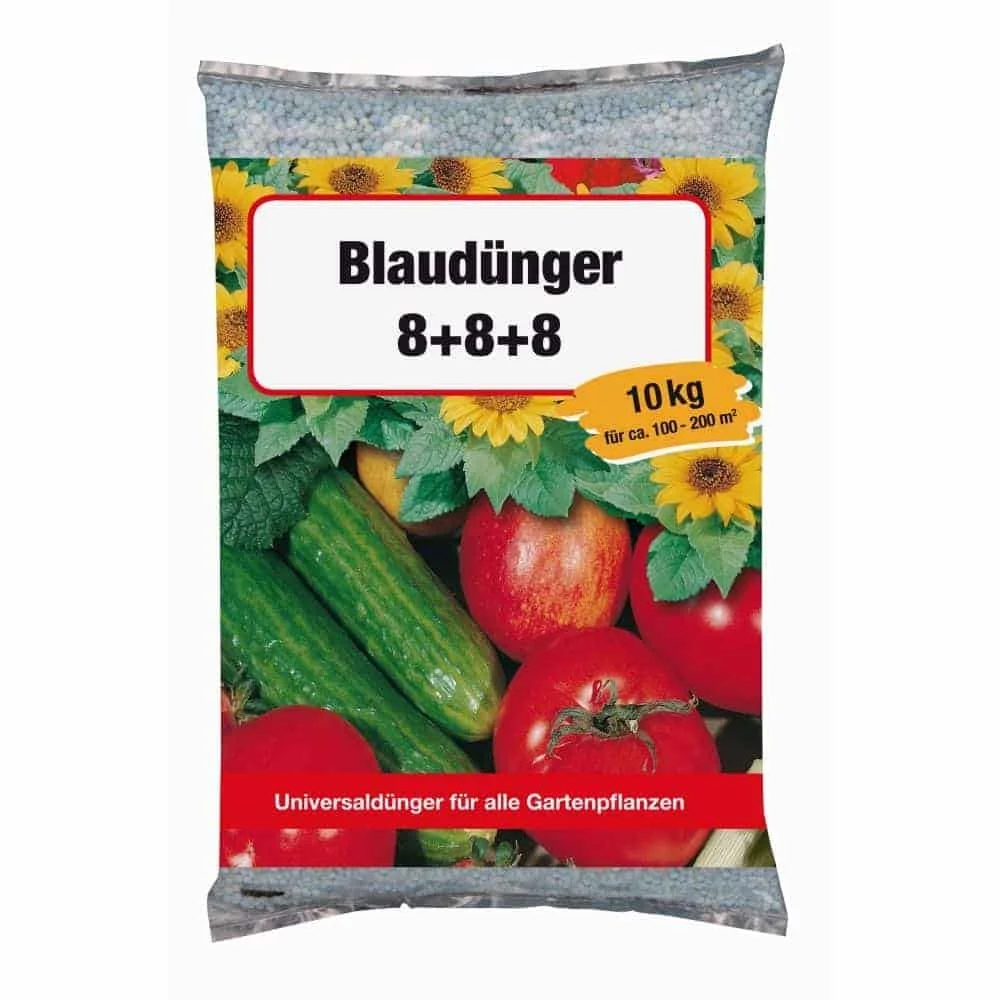
It is best to apply mineral fertilizers before a rain shower. Rain dissolves the nutrient salts and carries them into the root zone. Alternatively, water thoroughly after applying. This helps prevent leaf scorch.
Always follow the recommended dosage. More fertilizer does not mean a better yield. On the contrary: too much salt in the soil damages delicate root hairs and impairs water absorption.
Why does the lawn need special fertilizer?
Lawn grasses are perennial crops with specific needs. They are mowed constantly, which removes many nutrients from the soil. A standard all-purpose fertilizer is often not ideally formulated for them.
Lawn fertilizers usually contain a high proportion of nitrogen. This is responsible for the rich green colour and dense growth. An organic lawn fertilizer such as
is particularly gentle and sustainable.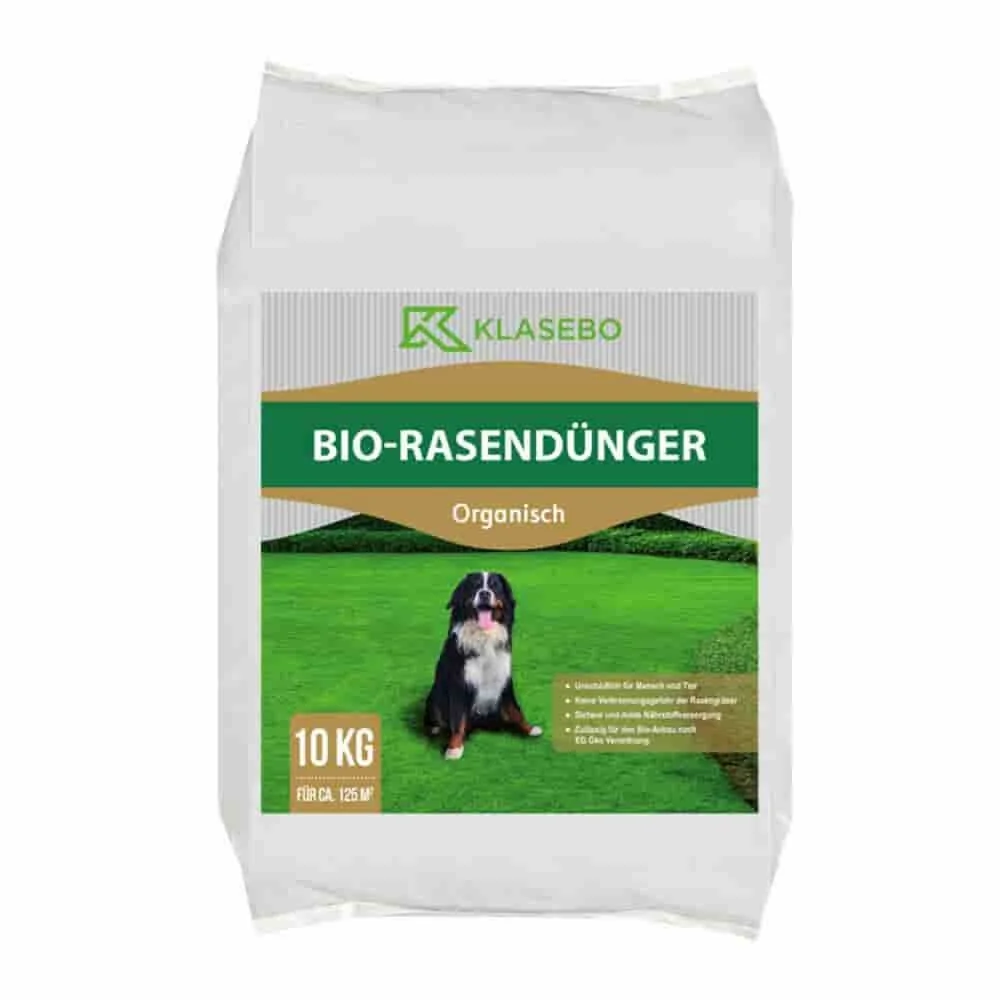
Lawn fertilization follows the seasons. In spring, use a nitrogen-rich slow-release fertilizer. It wakes the lawn from its winter dormancy and promotes tillering.
Choosing the right fertilizer in autumn is crucial. An autumn lawn fertilizer such as
is rich in potassium and low in nitrogen. Potassium strengthens the grass cells and makes the lawn winter-hardy. This gives moss and diseases less chance to take hold.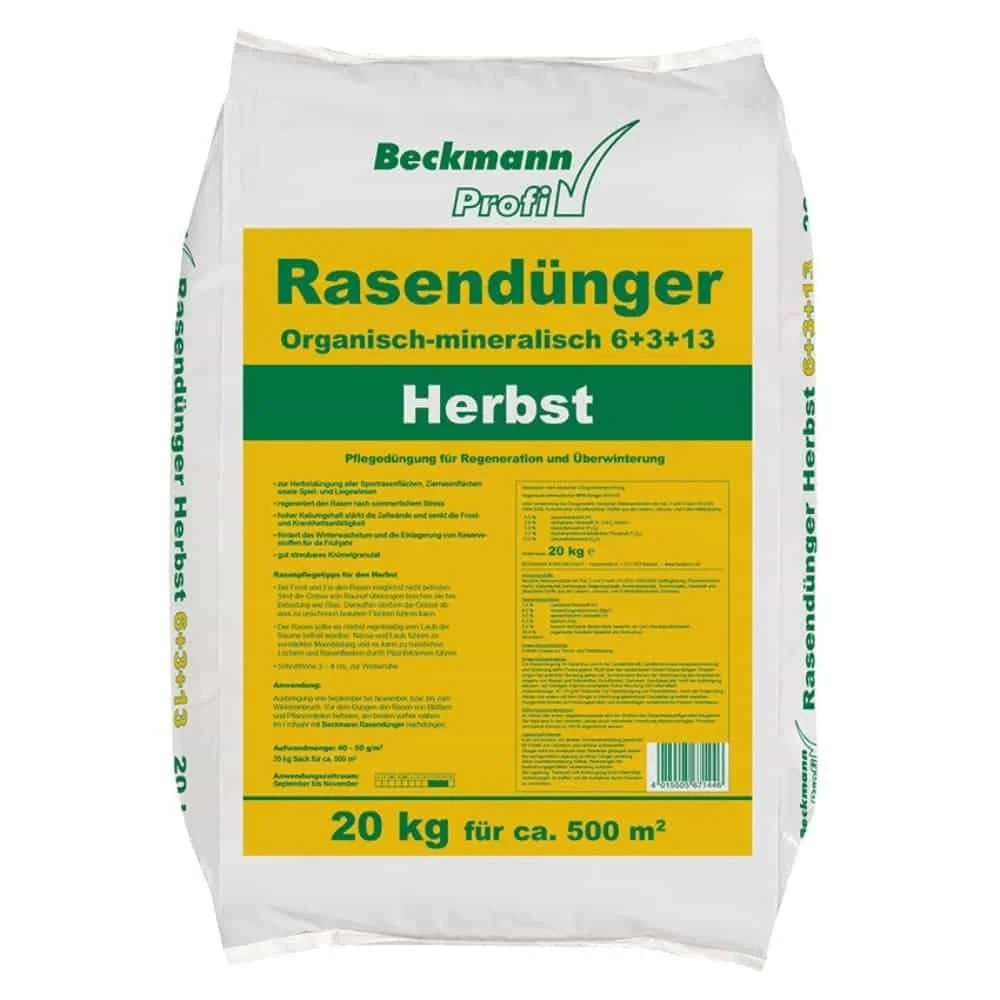
Discover our special selection of lawn fertilizers for every season and every need. From starter fertilizer for new lawns to maintenance fertilizer for ornamental lawns, you will find everything you need.
Autumn fertilization is the most important application of the entire lawn year. It lays the foundation for a robust, deeply rooted turf in the following spring. Do not neglect it.
What are the benefits of organic lawn fertilizer?
Organic or certified organic lawn fertilizers work with nature. They are based on plant-based or animal-derived raw materials. Their nutrients are released by microorganisms in the soil.
This long-lasting effect is their greatest advantage. You need to fertilize less often because the nutrients are released evenly over 2-3 months. The risk of over-fertilization is significantly reduced.
At the same time, every application of organic fertilizer feeds the soil organisms. Earthworms and microbes become active. They loosen the soil and build up valuable humus. Your lawn develops a deeper, more resilient root system.
For amateur gardeners with children or pets, organic fertilizers are often the first choice. They are safer to handle. After application, children and animals can usually walk on the area again immediately.
Additional tip
Scarify your lawn before applying spring fertilizer. This removes thatch and moss, allowing the fertilizer to reach the soil and roots more effectively. Nutrient uptake becomes more efficient. Combine scarifying with overseeding bare patches.
How do I fertilize vegetables, fruit and ornamental plants correctly?
In the vegetable garden, the plants' nutrient requirements determine the approach. Divide them into heavy, medium and light feeders. Heavy feeders such as tomatoes, cabbages and pumpkins need generous basic fertilization with compost or cow manure.
Feed them during fruit formation with a fast-acting, potassium-rich fertilizer. Special tomato fertilizers with extra potassium are ideal for flavourful fruit. Medium feeders such as carrots and lettuce need less.
Fruit trees such as apple trees and berry bushes are best fertilized in early spring. Use an organic berry fertilizer or compost. A second, light application after harvesting supports the formation of flower buds for the following year.
Ornamental plants such as roses benefit from specialist nutrition. Rosefertilizers often contain additional magnesium for intense leaf colour and trace nutrients for abundant blooms. Apply the first dose when growth begins and the second after the first flowering.
For all fertilizers and suitable accessories such as broadcast spreaders, you will find a wide selection in our category. This makes application precise and clean.
Which specialist fertilizers are useful?
Alongside the classics, there are fertilizers for specific requirements. Rhododendrons and other acid-loving plants need acidic soil. Specialist fertilizers for these plants contain no lime and often include iron.
Boxwood fertilizers are often combined with a fungicide against box tree moth or fungal diseases. They therefore provide nutrition and protection at the same time. Read the application instructions carefully.
Liquid fertilizers are ideal for potted and container plants on balconies and patios. They work extremely quickly and can be applied with the watering water. They are also suitable for foliar feeding in cases of acute deficiency.
Fertilizer sticks are the most convenient form of feeding houseplants. Simply push them into the soil. They slowly dissolve when you water the plant. One stick feeds the plant for several months.
How can I avoid the most common fertilizing mistakes?
The most common mistake is over-fertilization. More is not better. Excess nutrients damage the roots, encourage soft, vulnerable growth and pollute groundwater. Strictly follow the recommended quantities.
Never fertilize dry soil. The salt concentration becomes too high and scorches the roots. Water the beds or lawn thoroughly beforehand, or fertilize when rain is forecast.
Avoid one-sided fertilization. A pure nitrogen fertilizer may make plants grow large, but it also makes them soft and vulnerable to pests. Ensure a balanced NPK supply suited to the plant.
Do not ignore your soil's pH value. If it is too acidic or too alkaline, plants cannot absorb many nutrients, even when they are present in the soil. Apply lime if the pH value is too low.
For all questions about soil care and plant protection, we offer expert advice and the right products. Healthy soil is the best form of prevention.
Choosing and applying the right fertilizer makes all the difference. It promotes healthy plants, a plentiful harvest and a hard-wearing lawn. Start with the basics: an organic slow-release fertilizer and a mineral complete fertilizer for when plants need an immediate boost. Observe your plants. They will show you what they need.
Frequently Asked Questions
- What is the difference between organic and mineral fertiliser?
- Organic fertiliser such as compost or cow manure is made from natural materials. It works slowly, improves soil structure and promotes soil life. Mineral fertiliser supplies nutrients in a form that plants can absorb immediately. It works quickly and specifically in cases of acute deficiency, but does not build up humus.
- When should I fertilise my lawn?
- Fertilise your lawn in spring with a nitrogen-rich slow-release fertiliser for a strong start. A second application in early summer helps maintain its vitality. In autumn, a potassium-rich autumn lawn fertiliser such as PRODUCT_55168 is essential. It strengthens the grass for winter and makes it more resistant to frost and disease.
- What do the NPK numbers on a fertiliser package mean?
- The NPK numbers indicate the percentage of the main nutrients. N stands for nitrogen (for leaf growth), P for phosphorus (for roots and flowers) and K for potassium (for resilience). An NPK 6+3+13 fertiliser therefore contains 6% nitrogen, 3% phosphorus and 13% potassium. The remaining percentages are carrier materials.
- Can I fertilise all plants with an all-purpose fertiliser?
- An all-purpose fertiliser such as PRODUCT_3713 is suitable for many garden plants, flower beds and perennials. However, specialist fertilisers are better for specific requirements. Roses, rhododendrons and tomatoes have particular nutrient needs. Lawns require different NPK ratios from vegetables. All-purpose fertiliser is a good basic feed.
- How often do I need to fertilise my vegetable garden?
- Heavy feeders such as tomatoes, cabbage and pumpkins need a base dressing with organic fertiliser such as PRODUCT_23313 before planting. During the growing season, apply fertiliser 1-2 more times using a fast-acting mineral fertiliser. Medium and light feeders such as beans and lettuce can often manage with the base dressing alone. Pay attention to crop rotation.
You may also be interested in
- Plant Fertiliser Guide: Choosing the Right Fertiliser for Your Plants
- How to Fertilise Your Garden Properly: Giving Plants All the Nutrients They Need
- Vegetable Fertiliser Test & Comparison 2026
- Optimal Plant Care: The Basics of a Healthy Garden
- How to Fertilise Perennials Properly: For a Spectacular Display of Flowers
- Find the Right Lawn Fertiliser