
In brief: Choosing the right tin snips depends on material thickness, cut shape and workload. Manual tin snips are suitable for sheet metal up to 1.5 mm thick. Electric tin snips provide powerful support when working with larger quantities. Pay attention to cutting direction, ergonomics and maximum material thickness. Our comparison helps you find the ideal tool for your project.
Are you working on a metal project and need the right tool? Good tin snips are essential for making clean cuts in sheet metal, aluminium or plastic. Our 2026 test and comparison helps you find the best snips for your needs among the wide range of models available. We analyse manual and electric models, explain the differences and provide specific buying recommendations.
Whether you occasionally carry out small repairs or regularly work in metalworking – the right snips make all the difference. They save effort and time while delivering precise results. In this guide, you will learn what really matters.
Contents
What types of tin snips are available?
Tin snips differ fundamentally in their drive mechanism and cutting geometry. The type you choose determines which jobs you can complete efficiently.
Manual tin snips
Manual tin snips are the classic solution. They work purely mechanically and are ideal for thin materials and precise cuts. Their advantages include:
- Independence from power sources: You can use them anywhere.
- Precision: Ideal for short, accurate cuts and shaping.
- Strength and durability: With good quality, they can last for decades.
The disadvantage is that they require more effort, especially when cutting harder metals or making longer cuts.
Electric tin snips
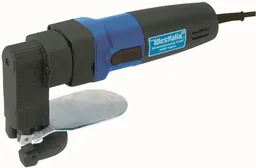
Electric or cordless tin snips do the main work for you. A motor moves the cutting heads. They are ideal for:
- Large quantities of cutting.
- Thicker or harder materials.
- Users who want to work with less effort.
A model such as the (electric tin snips 500 W) provides this kind of powerful support. You only need to guide and position the tool; the cutting itself requires very little pressure.
Cutting direction: right, left and straight
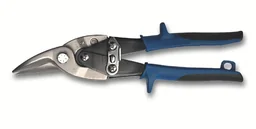
This criterion is crucial when choosing manual snips. It describes the direction in which the cut-off material is deflected.
- Right-cutting: The waste material bends to the right. Standard for right-handed users making straight cuts.
- Left-cutting: The waste material bends to the left. Ideal for left-handed users or for cutting curves anticlockwise.
- Straight-cutting: The material remains largely flat. Perfect for long, straight cuts without unwanted bending.
For general-purpose use, (pattern shears, straight-cutting) may be the best choice.
Tip: For complex cutting jobs with many curves, it is worth buying a set of snips with right- and left-cutting models. This ensures you always have optimum control over the cutting line.
What should you look for when buying?
In addition to the basic type, you should compare these technical details.
Maximum cutting thickness
The stated maximum cutting thickness usually refers to steel. Greater thicknesses are often possible with aluminium or plastic. Choose snips designed for the materials you typically work with. Do not buy an oversized model, as large snips are unwieldy when cutting thin material.
Ergonomics and comfort
An ergonomic handle is essential for working without fatigue. Look for:
- Soft, non-slip handle covers.
- Handles large enough for all hand sizes, including when wearing gloves.
- Well-balanced weight distribution.
Cutting quality and material
The blades should be made from high-quality tool steel, often chrome-vanadium alloy, and hardened. Forged snip heads are more stable than cast ones. A sharp, precise blade guarantees clean cut edges without burrs.
Warning: Never use tin snips to cut wire, nails or hardened steel. This immediately dulls the blades and can cause permanent damage or cracks in the blade. Use suitable tools for these jobs.
Test & Comparison: The Best Tin Snips 2026
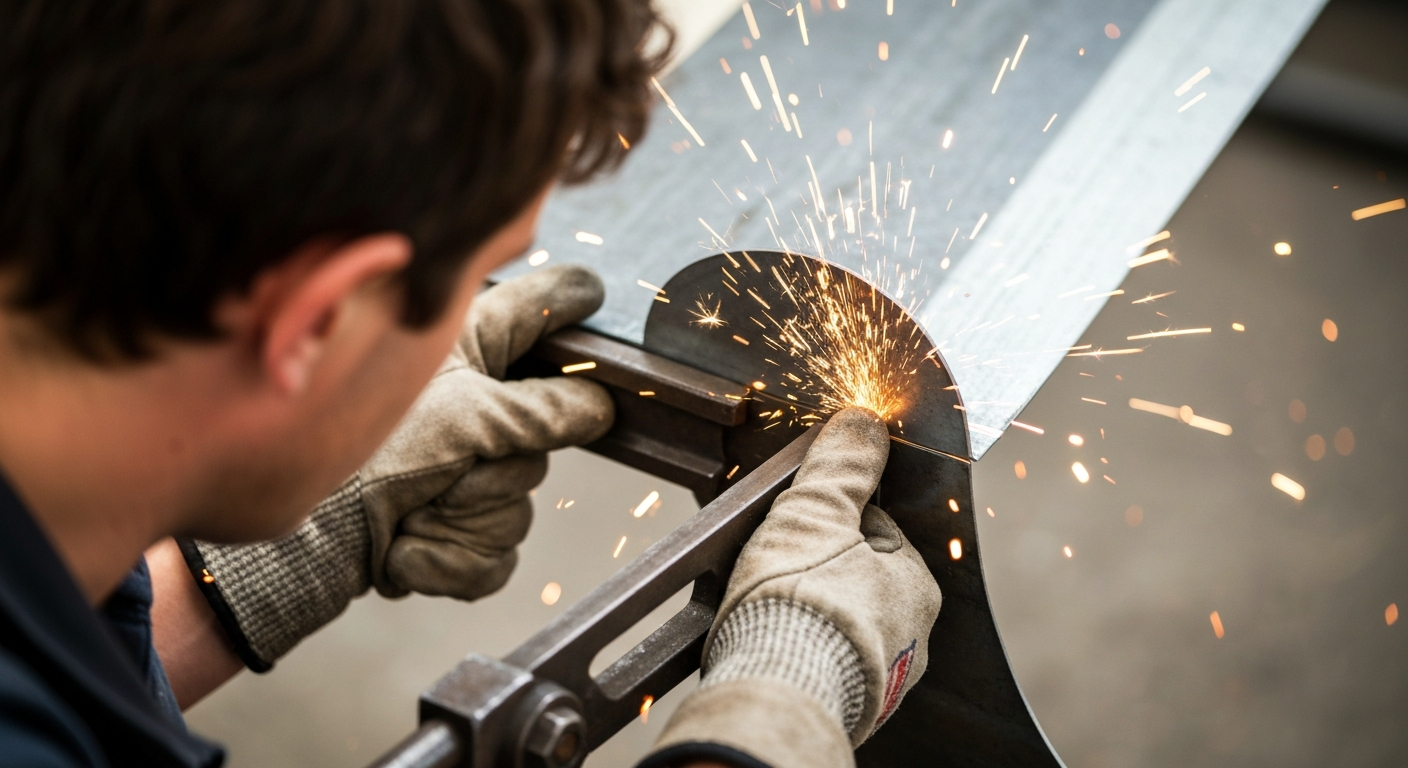
Our comparison introduces various high-performance models for different applications. We assess them based on handling, cutting performance and build quality.
The highest-rated tin snips in our range compared directly:
| Model | Customer rating | Availability |
|---|---|---|
| Electric Tin Snips 500 W | – | Currently unavailable |
| Pattern Snips (right-cutting) | – | Currently unavailable |
| Pattern Snips (straight-cutting) | – | Currently unavailable |
| Fritz Göbel 45cm Metal Water Squeegee Without Handle - Efficient Water Removal | – | Currently unavailable |
| Fritz Göbel 55cm Metal Water Squeegee - Without Handle for Efficient Water Removal | – | Currently unavailable |
For specialised applications in animal care or topiary, a robust model such as the (27 cm heart-shaped hand sheep shears) may also be of interest, as its principles are similar to those of metalworking.

How do you use and care for your tin snips properly?
Proper care significantly extends the service life of your snips.
Correct use
Always position the snips perpendicular to the material. Guide them with even pressure without twisting. When using hand snips, use the full length of the blades to prevent only the front sections from becoming blunt prematurely.
Cleaning and storage
- After every use, remove metal shavings from the blades with a dry cloth.
- Store the snips in a dry, protected place.
- Applying a little oil to the pivot prevents rust and keeps the mechanism moving smoothly.
Sharpening
Blunt blades require more effort and produce poor results. Sharpening tin snips requires expertise and the correct angle. Leave this work to a professional tool sharpening service.
Note: Many high-quality tin snips have lockable safety handles or protective caps. Always use them when transporting and storing the snips. This protects the blades and helps prevent injuries.
Safety comes first
Care is essential when working with sharp tools for metalworking.
- Wear protective equipment: Cut-resistant gloves and safety glasses are essential. Metal shavings can fly off.
- Secure the workpiece: Secure the sheet metal in a vice or with clamps. Working freehand is dangerous.
- Check the tool's condition: Never work with loose, damaged or blunt snips.
- Electrical safety: When using electric snips, check the cable for damage. Do not work in damp conditions.
Conclusion and buying guide: How to find the perfect tin snips
Choosing the right tin snips is easy when you know what you need. Take a systematic approach.
For occasional work on sheet metal up to 1.5 mm thick, high-quality hand tin snips are perfectly adequate. Choose straight-cutting snips for maximum versatility, or combine right- and left-cutting models.
For regular projects, thicker materials or long cuts, investing in electric tin snips is worthwhile. They save time and effort. Look for good ergonomics and sufficient power.
Browse our tin snips category to discover all available models. Compare the technical specifications and rely on trusted brands for durable, safe results. With the right tool, metalworking is not only more enjoyable but also more efficient and precise.
Frequently asked questions
- What is the difference between right-cutting and left-cutting tin snips?
- Right-cutting snips cut clockwise and are suitable for right-handed users making straight cuts. Left-cutting models cut counterclockwise and are ideal for left-handed users or cutting curves. Your choice affects cutting accuracy and comfort.
- What material thickness can hand-operated tin snips cut?
- High-quality hand tin snips typically cut steel sheet up to 1.5 mm thick. For aluminum or copper, thicknesses of up to 2.0 mm are often possible. Check the manufacturer's specifications. For thicker materials, we recommend electric tin snips.
- When are electric tin snips worthwhile?
- Electric tin snips are worthwhile for regular work, large quantities or material thicker than 1.5 mm. They significantly reduce the effort required and enable precise cuts without fatigue. For occasional work, hand snips are often sufficient.
- How should I care for and sharpen tin snips?
- Remove metal shavings from the blades after every use. Store the snips in a dry place. Professional sharpening should be carried out by a specialist service. Avoid cutting materials that are harder than those the snips are designed for to protect the cutting edges.
- What safety precautions are important when working with tin snips?
- Always wear cut-resistant gloves and safety glasses. Secure the workpiece to prevent it from slipping. For electric snips, make sure the cable is intact and use a GFCI. Never work with blunt or damaged blades.