
In brief: A wasp nest is made of paper that worker wasps chew from weathered wood. The queen builds the first cells in spring and raises the first brood. These wasps then take over nest building. In autumn, the colony dies, and only young queens overwinter. Many nests are harmless. Take action only if there is a risk to allergy sufferers or the nest is directly next to living areas.
How do wasps build their nests?
Wasps are paper architects. They produce their own building material. Worker wasps gnaw weathered wood, mix it with saliva and shape it into a paper-like mass.
This creates the characteristic honeycomb structure. The queen always builds the first cells in spring. She lays her eggs there and feeds the larvae when they hatch.
This first generation then takes over expanding the nest. The nest grows in layers. Each new outer layer protects the honeycomb underneath.
You will often find German wasp or common wasp nests in the ground, in mouse holes or in dark, sheltered places such as roller shutter boxes. Hornets usually build their nests in hollow trees.
Expert tip
If you find an abandoned nest in autumn, you can carefully remove it. It is empty and dry. Wear gloves. This means there will be no old nesting site nearby next spring.
When does a wasp nest become a wasp problem in the garden?
Not every nest is a problem. Many species are shy and cause no disturbance. A wasp problem exists when the insects seriously disrupt your peace in the garden or pose a danger.
This is the case if someone with a wasp allergy lives in your household. A sting can be life-threatening in this situation. You should also act if nests are directly beside frequently used walkways, patio doors or children's play areas.
In Garden + Plant Accessories you will also find products for prevention. A nest a long way away or in a hedge is often harmless. Wasps pollinate plants and eat pests.
How to identify the two most dangerous wasp species
German wasps and common wasps are the most frequent nuisances. You can identify them by their black-and-yellow pattern. These species are attracted to our food.
They are the ones that hover around your barbecue food. They often build their nests in the ground or in cavities in buildings. The risk of accidentally disturbing them is high in these locations.
A healthy wasp colony catches up to half a kilogram of insects per day. This makes wasps important helpers in biological pest control.
How should you deal with a wasp nest?
Staying calm is the first step. Hectic movements make the insects aggressive. Observe the flight activity from a safe distance. This will help you locate the nest entrance.
Mark the area. Make sure children and pets do not go near it. Avoid vibrations around the nest or on the ground above it.
Do garden work nearby in the evening or at night. All the wasps will then be in the nest and less active. Good garden tools allow you to work precisely without unnecessary disturbance.
Important note
Never try to remove an occupied nest yourself with water, fire or insect spray. This triggers a massive attack by the entire colony and is against the law. You put yourself and others at risk.
Professional wasp nest removal: process and costs
Call a professional pest controller or a beekeeper licensed to relocate nests. These experts assess the situation. Relocation is often possible, especially for protected hornets.
The professional usually arrives at dusk or during the night. They anaesthetise the wasps with a special gas. The nest can then be removed in its entirety. For ground nests, the entire area is often vacuumed.
For nests in cavities, the access point is sealed after the wasps have been anaesthetised. As the property owner, you pay the costs yourself. Get several quotes.
When does the fire department cover the costs?
The fire department only responds in an absolute emergency. This means an acute, immediate danger to people. A nest in a child's bedroom or above the front door of someone with a wasp allergy may be sufficient reason.
In most cases, however, the fire department is not responsible. It will refer you to specialist companies. Ask your local authority about the exact regulations.
Relocation only makes sense if the nest is not yet too large and the new location is suitable. Often, leaving the nest in place is better for species conservation.
How to deter and keep wasps away without removing the nest
You do not have to have every nest removed. Often, it is enough to keep the insects away from your seating area. Natural methods and smart products are suitable for this.
One proven method is to use a wasp nest decoy. It simulates a rival territory. Real wasps then avoid the area to prevent conflicts. The
offers this solution with two decoys for different locations.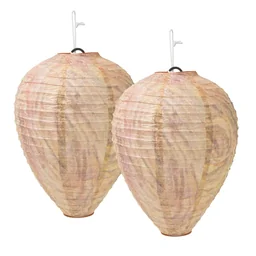
Plant fragrant herbs such as lavender, thyme or mint near your patio. Their scent deters many insects. Keep your garden clean. Remove fallen fruit immediately and cover compost heaps.
Additional advice
Do not make traditional wasp traps with juice or beer. They kill the insects painfully and often attract even more wasps. Closed live traps are better, allowing you to release the wasps later at a safe distance.
Practical helpers for a garden with fewer wasps
The right equipment makes dealing with wasps easier. With the
, the "Wunderschere", you can cut branches and hedges precisely. This helps you avoid accidentally coming across a hidden nest while pruning.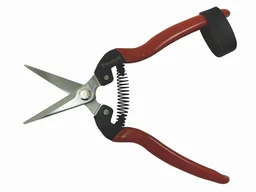
A dense garden fleece over your compost or strawberry bed prevents wasps from getting inside. They search these areas for food.
Store your garden furniture under a sturdy garden furniture cover in winter. This means you do not provide sheltered cavities where a nest could be started next spring.
Plan your garden equipment so that there are few dark niches. A tidy garden is less attractive to queen wasps looking for a place to nest.
After the Season: The Empty Wasp Nest
By late autumn, the activity is over. Frost kills the entire colony. All that remains is the delicate paper structure. You can now remove the nest safely.
Carefully detach it. Wear gloves for hygiene reasons. Dispose of it in the garden waste bag. This prevents parasites or other insects from taking over the old nest.
Now seal the nesting cavity. Fill ground nests with soil. Seal holes in roller shutter boxes with fine-mesh wire. This stops the next queen from deciding to move in here in spring.
Living alongside wasps peacefully is often possible. With knowledge, respect and the right products, you can enjoy a peaceful garden while protecting beneficial insects.
Frequently Asked Questions
- Can I remove a wasp nest myself?
- No. Wasps are protected by species protection laws. Removing or killing them without authorisation is punishable by law. Hire a professional pest controller or beekeeper. They know when relocation is possible and when the nest must be removed professionally.
- How long does a wasp nest remain occupied?
- A wasp colony lives for just one season. The queen establishes the nest in April or May. The population peaks in August or September. The entire colony dies off with the first frosts. The abandoned nest is not reused.
- Which wasp species are particularly aggressive?
- German wasps and common wasps can react aggressively if disturbed near their nest. Hornets, on the other hand, are often more peaceful. Wasps that bother you at your coffee table are usually looking for food, not looking for a fight.
- How can I keep wasps away from my patio?
- Cover food and sugary drinks. Use special wasp traps or a wasp nest decoy such as PRODUCT_72977. Plants such as tomatoes, lavender or basil on the table can often help deter them. Clear away fallen fruit in the garden promptly.
- How much does professional wasp nest removal cost?
- The cost is usually between 80 and 150 euros, depending on accessibility and size. Some local authorities or fire services offer the service free of charge or at a reduced cost when there is a risk to people. Ask your local council.
You may also be interested in
- Wasps in the Garden: Causes and Effective Strategies
- How to Remove a Wasp Nest Safely
- How to Care for a Wasp Nest Decoy: Tips for Long-Lasting Use
- Wasps Under the Roof: Prevent Damage and Remove Nests
- Wasp Nest Decoy vs. Home Remedies: What Keeps Wasps Away?
- Ground-Nesting Wasps in the Garden: Relocate or Control Them?