
In brief: If water remains in your washing machine’s fabric softener compartment after a wash, a blockage is usually to blame. Fabric softener residue can clog the siphon that drains the compartment. Clean the drawer and siphon thoroughly to fix the problem. Low water pressure or a washing machine that isn’t level can also be the cause.
Water in the Fabric Softener Compartment: Find and Fix the Cause
You open your washing machine and find water in the fabric softener compartment. This is a common problem and is usually harmless. However, your laundry may not get properly soft, and bacteria can grow in the standing water. The good news is that you can usually find and fix the cause yourself in just a few simple steps.
This guide covers the most common causes of water in the fabric softener compartment and explains how to fix them, from cleaning the drawer to checking the water pressure.
[toc]
Why does water collect in the fabric softener compartment?
To fix the problem, it helps to understand how the fabric softener compartment works. The mechanism is simple, but it can be prone to problems. When it’s time to add fabric softener, the machine directs water into the compartment. The rising liquid reaches a certain level and triggers the siphon effect. A small tube or cap in the compartment draws the water and fabric softener mixture into the washing drum.
If water remains, the siphon isn’t working properly. There are three main reasons why:
- Clogged nozzles or siphon: Dried fabric softener and detergent residue are the most common cause. They form a sticky buildup that blocks the siphon’s narrow channel or the water nozzles above it.
- Water pressure is too low: If water flows in from the supply line at too low a pressure, the stream may not be strong enough to fully trigger the siphon effect. Rinse water fills the compartment but doesn’t drain it.
- Washing machine isn’t level: If the machine isn’t level, the liquid in the compartment may not reach the height needed to activate the siphon. Even a slight forward tilt can disrupt the process.
Additional advice
Thick fabric softener concentrates are especially likely to leave residue. Dilute them with a little water before adding them. This helps them dissolve and prevents clumps from forming in the siphon tube.
How do you clean the washing machine detergent drawer properly?
Thorough cleaning is the first and most important step in fixing the problem. Set aside about 20 minutes. You’ll need warm water, a brush, and, if necessary, a mild household cleaner.
Step 1: Remove the detergent drawer
Pull the drawer out as far as it will go. Look for a color-coded button or small lever in the middle or on the side. Press it down or inward while pulling the drawer all the way out of its housing. On some models, you may need to lift the drawer slightly at the end to release it.
Step 2: Disassemble and clean the siphon
The fabric softener compartment has a removable cap or small tube called the siphon. Remove it. You’ll probably find the cause underneath or inside it: a slimy layer of old fabric softener residue. Thoroughly clean the drawer and siphon under warm running water. An old toothbrush or small bottle brush works well for reaching narrow channels and corners. Avoid harsh cleaners that could damage the plastic.
Step 3: Clean the compartment inside the machine
Check inside the housing where the drawer sits, too. Shine a flashlight inside. You’ll see small nozzles at the top where water flows in. These can also become clogged with limescale or detergent residue. Carefully clean the nozzles with a brush or damp cloth. Make sure no dirt falls into the machine.
Expert tip
For stubborn buildup in the siphon’s narrow channels, use pipe cleaners or fine wire brushes. Soak the parts in warm vinegar water for a few minutes first to loosen limescale and old soap residue.
Step 4: Reassemble everything
Dry all parts thoroughly before putting them back together. Replace the siphon cap in the compartment, then slide the drawer into the washing machine until it clicks into place. Run a short rinse cycle to check that it works.
Problem not solved? Check for other causes
If there is still water in the compartment after cleaning, the problem may lie deeper. The next steps involve checking the water supply and how your washing machine is installed.
Important note
Unplug the washing machine before working on the water connections. Also turn off the faucet to prevent flooding.
Check the water pressure
Low water pressure is a common, often overlooked cause. The pressure must be high enough to flush water into the compartment with sufficient force.
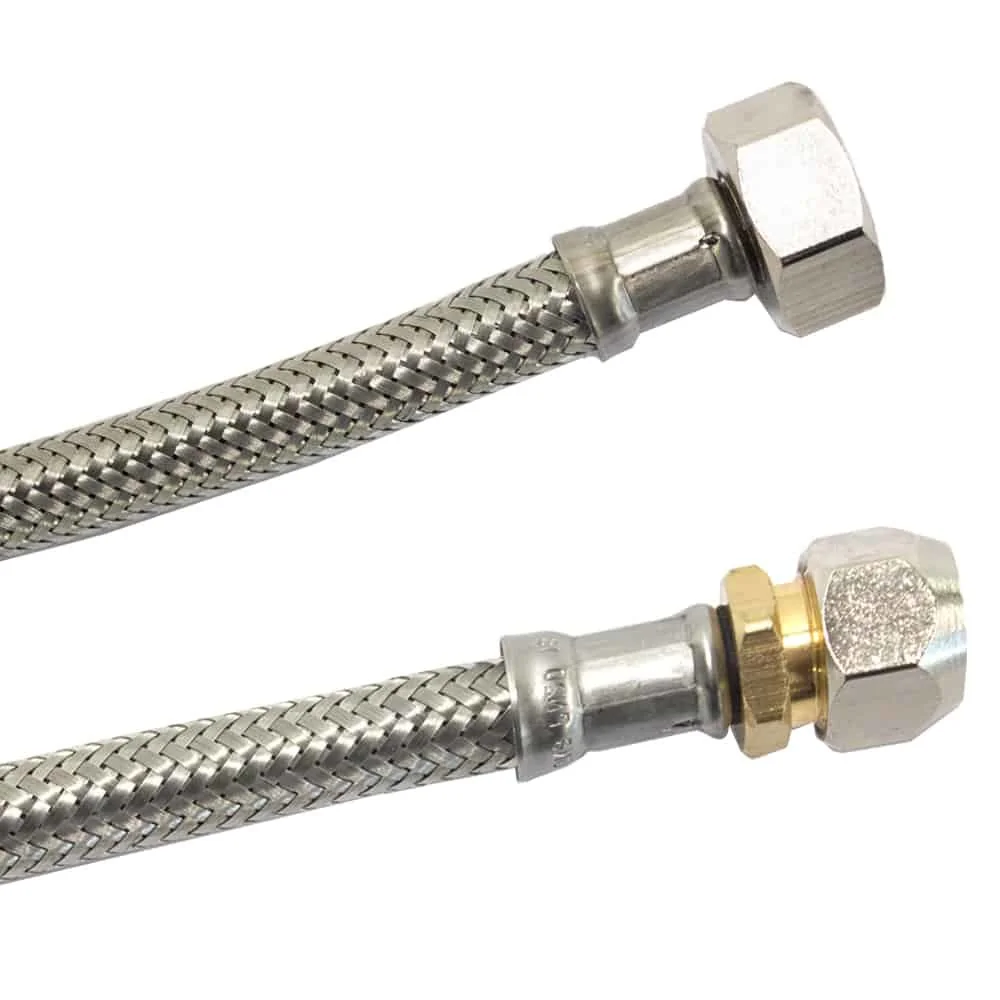
- Check the inlet hose: Make sure the inlet hose at the back of the machine is not kinked or pinched. A kink significantly reduces water flow. If the hose is old or porous, replace it. A high-quality water hose such as the braided hose provides lasting reliability.
- Clean the filter screen: A small screen is located at the inlet hose connection on the faucet, and often at the machine connection too. Unscrew the hose with water pump pliers and clean the screen to remove limescale, rust, or sand.
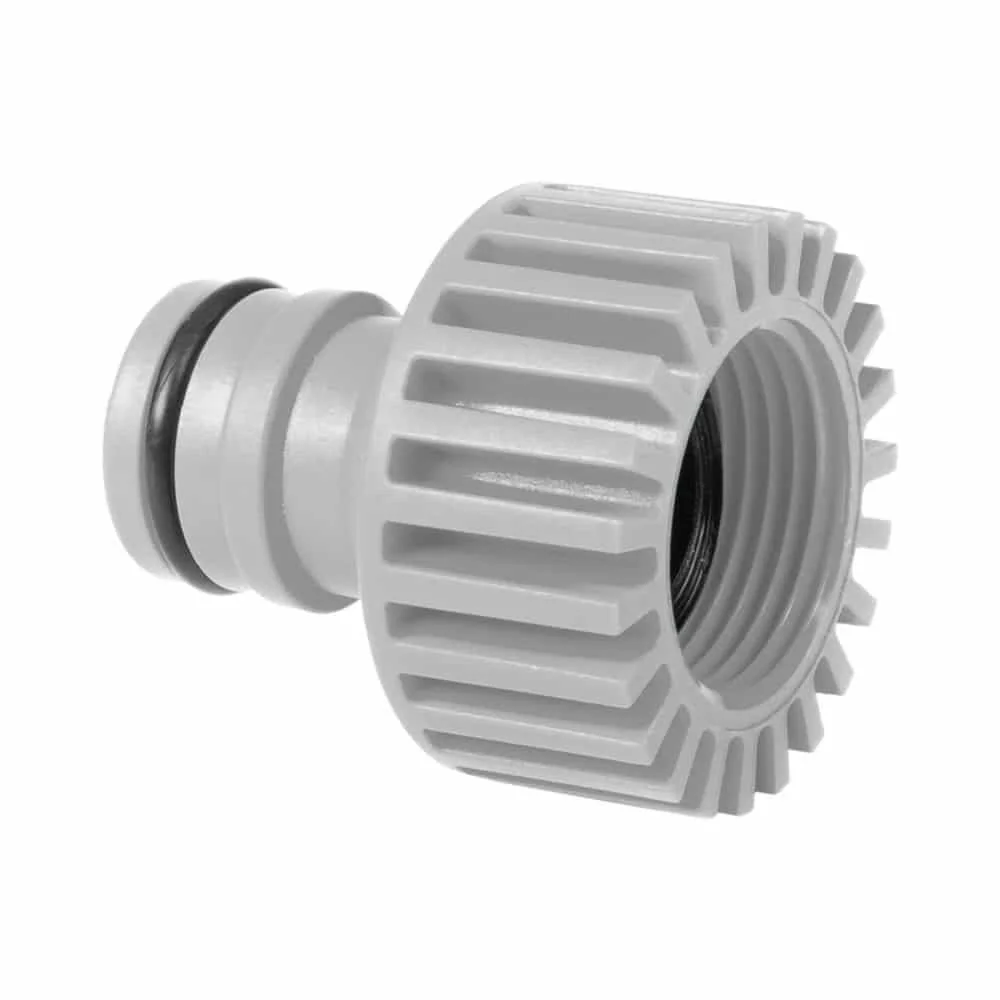
- Do the bucket test: To check the water pressure directly, unscrew the hose from the faucet. Hold a 10-litre bucket under the faucet and turn it on all the way. The bucket should fill in about 30 seconds. If it takes significantly longer, your home's water pressure may be too low. You may also need a new faucet adapter to ensure a better connection.
Experts at Stiftung Warentest point out that most washing machines need water pressure of at least 1 bar to work properly. Below that level, the machine may not flush water in with enough force, which can cause problems dispensing detergent.
Level the washing machine
A washing machine must be perfectly level to work properly. Even a slight tilt can interfere with the siphon mechanism. Use a level and place it lengthwise and crosswise on the machine.
The bubble should be exactly in the center. If it is not, adjust the machine's feet. Most washing machines have four adjustable screw feet. After adjusting them, tighten the locking nuts so vibration during the spin cycle does not move the feet out of place.
How to prevent blockages in the fabric softener compartment
Regular maintenance helps keep the problem from coming back. A few simple habits can keep your machine and fabric softener compartment clean and working properly for longer.
- Clean regularly: Once a month, take time to clean the detergent drawer as described above.
- Use the right amount: Follow the manufacturer's recommended dosage. Using too much fabric softener harms the environment and causes residue to build up more quickly.
- Use washing machine cleaner: Every two to three months, run an empty wash cycle at a high temperature (at least 60 °C, preferably 95 °C). A washing machine cleaner dissolves grease, limescale, and other residue throughout the system, including the lines leading to the fabric softener compartment.
- Leave the drawer open: After washing, leave the detergent drawer slightly open. This lets moisture escape and makes it harder for mold and bacteria to grow.
A clean fabric softener compartment keeps your laundry smelling fresh and helps extend the life of your washing machine. With the right care, you can help keep all your household plumbing + irrigation systems working properly.
Verbraucherzentrale recommends removing and thoroughly cleaning the detergent drawer about once a month to prevent detergent residue and mold. This helps maintain hygiene and keeps the appliance working properly.
Follow these simple maintenance steps to help your washing machine run efficiently and make standing water in the fabric softener compartment a thing of the past.
Frequently asked questions
- Can using too much fabric softener cause the problem?
- Yes, using too much fabric softener is a common cause. The dispenser is designed to hold a specific amount. If you add too much, it may not be siphoned out completely. Residue can dry and cause blockages that prevent water from draining during the next rinse cycle.
- How often should I clean the fabric softener dispenser?
- Ideally, clean the fabric softener dispenser and the entire detergent drawer once a month. If you use your washing machine frequently or have hard water, you may need to clean it more often to prevent residue and blockages and keep the machine hygienic.
- Is standing water in the fabric softener dispenser harmful?
- It usually won’t damage the machine directly, but it can be unhygienic. Standing water encourages bacteria and mold to grow. It also means the fabric softener may not be dispensed into the laundry properly, which can affect the washing results.
- My fabric softener is very thick. Could that be a problem?
- Yes, thick or concentrated fabric softeners are more likely to leave residue and clog the siphon. Try diluting the softener with a little water before adding it. This helps it dissolve and rinse away more easily.
- Cleaning did not help. What else can I do?
- If cleaning doesn’t help, check the water pressure at the inlet hose and make sure the washing machine is level. A kinked inlet hose or low water pressure could also be causing the problem.
You may also be interested in
- Water in your fridge? Find the cause and fix it yourself
- Dishwasher not filling with water? Causes and solutions
- Dishwasher pod not dissolving? Causes and tips
- Washing machine repairs: common problems and simple DIY fixes
- Damp interior walls: identify the cause and repair the damage
- Washer door won’t open? Causes and solutions