
In brief: Buying and renovating a historic home means preserving a piece of the past, but the work is subject to strict rules. You may need approval for almost any changes, depending on your home’s historic designation and local regulations. Renovation costs can be 30-50% higher than for a modern home. In return, you may qualify for tax benefits and enjoy unique character and long-term value. Careful planning and early contact with your local historic preservation office are essential.
Buying and Renovating a Historic Home: What to Know
Buying a historic home is a chance to choose something special. You are preserving a piece of architectural history and creating a home with incomparable character. Renovating one, however, involves different rules than working on a modern house. This article guides you through the unique considerations of historic preservation, from your first ideas to the finished home.
What does historic designation mean for home buyers?
A historic home may be subject to special legal protections because its preservation serves the public interest. This applies not only to castles, but often also to farmhouses, timber-frame homes, Victorian houses and old workshops. Protections may cover the exterior, distinctive features such as stairs or doors, and sometimes the floor plan.
As the owner, you become the steward of this cultural heritage. That can limit your freedom to change the building. In return, you take on a responsibility that reaches beyond your property. You are shaping not only your own home, but also the character of your town or village.
Important note
Historic designation applies to the property, not its previous owner. When you complete the purchase, you take on the obligations that come with it. Before closing, check your local historic register to confirm whether the home is designated. The purchase contract should also disclose its historic status.
How do I find the right balance between old and new?
Historic preservation calls for thoughtful updates. The goal is not to freeze a building like a museum exhibit, but to adapt it with care. New additions should complement the original while still looking contemporary. A glass addition in the courtyard may work, while a plastic window in the historic facade may not.
Take the opportunity to learn about traditional building methods. Clay plaster, limewash and traditional roofing materials can create a healthy indoor environment and may be the only options likely to receive approval. Modern features such as smart home systems and efficient heating can often be added discreetly without disturbing the building’s historic character.
Historic preservation is not about keeping a building frozen in time. It is a conversation between the past and the present. The goal is a living historic property that stays in use and is preserved as a result.
Planning for the unique challenges of renovation
Every historic building has its own character. Timber-frame homes need different care than brick buildings. Examine the structure carefully. Which original windows have survived? What floors lie beneath later layers? Historic wall paintings or paneling may be hidden beneath wallpaper.
Set aside money for surprises. When you open up a wall, you may find hidden damage or unexpected historic features. These discoveries are part of the process, but they call for flexible plans and budget reserves. An intact house drainage system is just as important to long-term preservation as a beautiful facade.
What permits do I need for renovation work?
You may need approval from your local historic preservation office for almost any work on a designated historic property. That can include projects that would not require a permit on an ordinary house. Contact your local historic preservation office early and provide plans and descriptions of the proposed work.
The office will assess whether your project preserves or affects the home’s historic significance. A constructive conversation is essential. Prepare carefully and show that you understand the preservation goals. Approval may come with conditions, such as using specific materials or documenting the work.
Expert tip
Talk to your local historic preservation office before commissioning detailed plans. Explain your ideas early. This can help you avoid costly design changes later. Staff may also have practical suggestions for balancing preservation requirements with the way you want to use your home.
Common projects that may require approval
- Replacing or renovating windows: Installing new windows that match the original building may still require approval.
- Exterior insulation or changing the facade color: Changes to the exterior appearance may need to be approved.
- Alterations or additions: Even small sunrooms or dormer windows may be covered by historic preservation rules.
- Removing interior features: Removing old doors, stairs or plasterwork may be prohibited.
- Creating new openings in exterior walls: You may need approval to add a window or patio door.
Why does renovation often cost more?
Renovating a historic building can cost 30 to 50 percent more than a comparable new build or standard renovation. There are several reasons. Special materials such as handmade bricks, traditional paints and solid timber cost more to buy and install.
The work itself is more demanding. Old beams must be inspected one by one and carefully repaired. Plasterwork is restored by hand. You may also have costs for preservation oversight, inspections and more extensive documentation. A durable cover for greenhouse film and mesh sheeting in the garden can also protect outbuildings.
The cost difference between a preservation-sensitive renovation and a modern renovation is real. Yet the value of a well-maintained historic building is not only financial. It also lies in the sense of identity it creates for its owner and the wider community.
Cost factors to consider
Allow room in your budget to find qualified tradespeople. Not every painter is familiar with lime plaster. Not every carpenter can interpret a historic roof structure. Specialists charge more. Time is another cost factor. Approval processes take time, and work on an old building progresses more slowly than construction on a blank site.
Do not forget the hidden costs. A professional home inspection before work begins, historic building research and photographs documenting each stage are standard and cost money. Specialist renovation tools such as a
or a may be necessary.
How should I design the outdoor space around a historic home?
The garden or courtyard contributes to the overall character of a historic home. Design guidelines may apply here too. Historic paving, old boundary walls or fences, and distinctive trees may be protected. Check with the relevant heritage authority to find out whether there are requirements for the outdoor areas.
A naturalistic garden with native plants often suits an older home well. Create sheltered spaces for wildlife. Wild bird seed or a protected bird feeder can bring the garden to life. For maintaining hedges and flower beds, a sturdy
is a practical tool.
Additional tips
Look into available funding. Many German states, local authorities and foundations offer grants or low-interest loans for renovating historic homes. KfW has special programs. Tax deductions can offset much of the additional cost over time. Get comprehensive professional advice.
Helpful tools for your home and garden
The right tools make maintenance easier. A
cleans hard-to-reach areas in the house thoroughly and gently. Specialized renovation tools can be essential for interior work. Think of the next generation too: cottage-style children's furniture complements the character of an older home.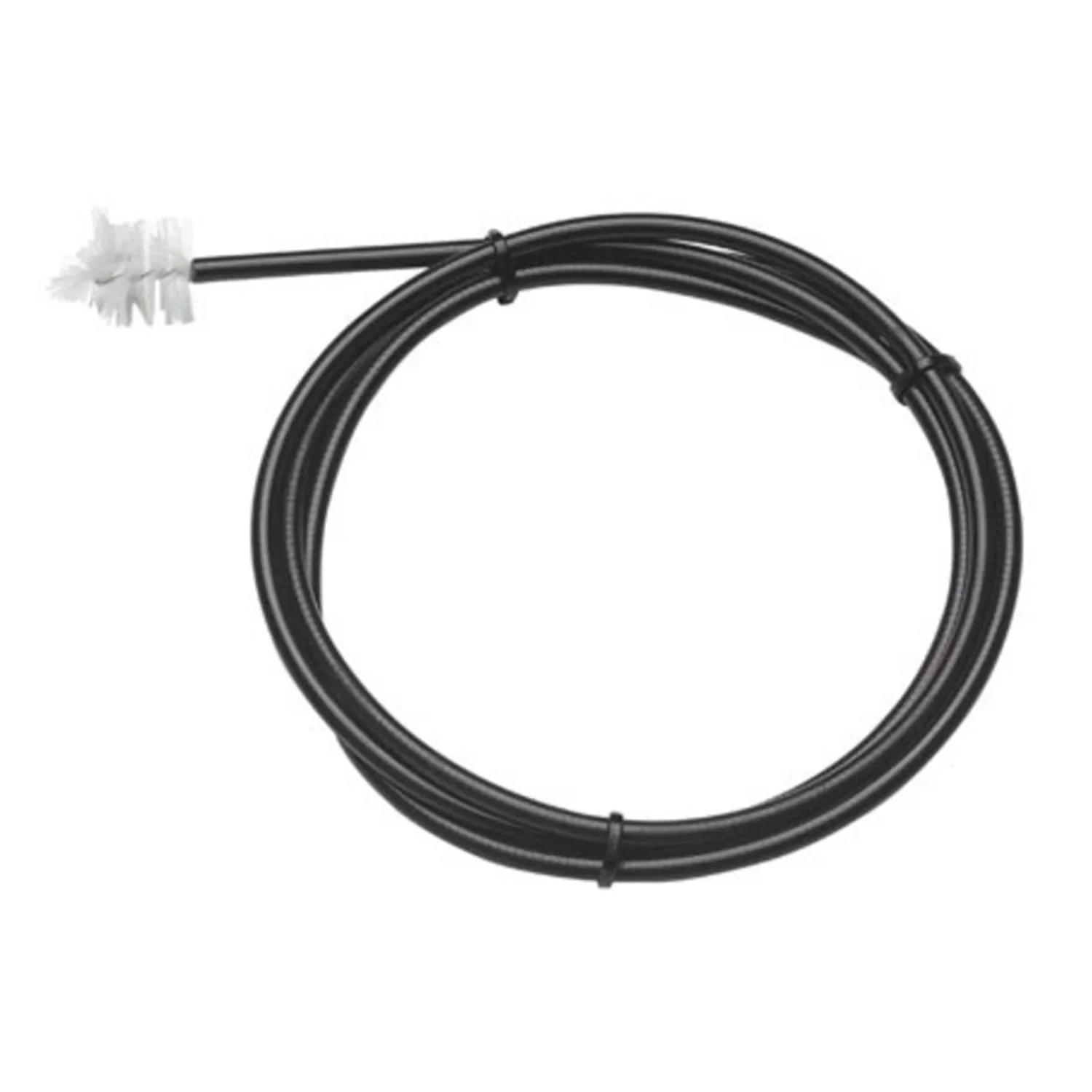
Maintaining a large property is an ongoing task. Break the work into manageable stages. Create a long-term maintenance plan that includes small repairs before major damage occurs. This will preserve the value of your investment and the beauty of the house for years to come.
Conclusion: The effort is worth it
Renovating a historic home is a project that calls for both heart and practical judgment. It takes patience, passion and a measure of pragmatism. The challenges are considerable, but the reward is unique. You sleep beneath centuries-old beams, open a historic door every morning and live in an atmosphere no new home could ever offer.
You will become an expert in architectural history, traditional craftsmanship and official procedures. In the end, you will have more than a renovated home: you will have preserved a living piece of the past for the future. Begin the adventure with your eyes open, realistic cost estimates and an appreciation for what makes the home special.
Frequently asked questions
- What are the drawbacks of owning a historic home?
- The main drawbacks are the strict requirements imposed by the heritage authority, which limit your freedom to make changes. Renovations often cost more because you have to use specialized materials and traditional construction methods. Modern features such as large expanses of glass or full insulation may not be feasible. The approval process can also extend the planning phase.
- Can I make a historic home more energy efficient?
- Yes, but you must take historic preservation requirements into account. Interior insulation is often the only option because the historic facade must be preserved. Windows are usually upgraded to match historic models or renovated with specialized insulating glass. Insulating the floors or basement ceiling is often straightforward. Get expert advice early in the process.
- What tax benefits are available for historic homes?
- If you live in a renovated historic home, you can deduct up to 9% of renovation costs from your taxes each year for 10 years as special expenses. For rental properties, special depreciation of up to 9% is available over 8 years. You need a certificate from the heritage authority confirming that the work qualifies. Get professional tax advice.
- Who can help me renovate a historic home?
- Start by contacting your local heritage authority. Hire an architect who specializes in renovating older homes. Contractors experienced in historic building techniques are essential. Organizations such as Deutsche Stiftung Denkmalschutz can offer advice. A building inspector who specializes in older properties can also help before you buy.
- Can I do renovation work on a historic home myself?
- Simple maintenance, such as painting, is often allowed. You must get approval for any work that affects the structure or appearance of a historic home. Mistakes can be irreversible and may result in heavy fines. Confirm every planned project with the authority in writing. Leave complex work to professionals.
You may also be interested in
- Renovating an older home: How to plan your historic home renovation
- Home renovation: Planning and key steps for your project
- Renovating a half-timbered home: How can I combine tradition with modern technology?
- Energy-efficient home renovation: Modernize your home efficiently
- Renovating a three-sided farmstead: How to bring old farmhouses back to life
- Save energy at home: DIY tips for renovating your home