
In brief: For a successful raspberry harvest, choose a sunny location with loose, well-drained soil. Water regularly, fertilize in spring, and mulch the soil. Pruning is the key difference: prune summer-bearing raspberries after harvest and cut fall-bearing raspberries back completely in late winter. This helps keep your plants healthy and produce plenty of fruit.
There’s nothing like the taste of sun-ripened raspberries picked straight from the bush. With a few simple steps, you can turn a corner of your garden into a sweet-tooth’s paradise. Growing these popular berry bushes is easier than you might think. All you need is a little preparation and some know-how about care and pruning.
This guide walks you through every step. You’ll learn how to choose the right variety, prepare the ideal location, and keep your plants healthy. We explain the key difference between pruning summer-bearing and fall-bearing raspberries and show you how to enjoy a plentiful harvest.
- Choosing the right raspberry variety: summer-bearing or fall-bearing?
- How do you plant raspberries for the best harvest?
- Raspberry care: watering, fertilizing, and mulching
- Why is pruning raspberries so important?
- Harvesting and storing raspberries: how to enjoy them for longer
- How to avoid common raspberry problems
Choosing the right raspberry variety: summer-bearing or fall-bearing?
Before you pick up your spade, make one key decision: Would you prefer a large harvest all at once in early summer, or fresh berries over a longer stretch into fall? Your answer will help you choose between summer-bearing and fall-bearing raspberries.
Summer-bearing raspberries: One harvest in early summer
Summer-bearing raspberries produce fruit on canes that grew the previous year. These two-year-old canes provide a concentrated, often abundant harvest in June and July. They then die back, while new canes grow for the following year.
These varieties need a sturdy trellis to support the fruit-bearing canes. A trellis helps support the plants, improves air circulation, and makes harvesting easier. Pruning takes a little more care because you need to tell old canes from new ones.
Fall-bearing raspberries: Harvest until the first frost
Fall-bearing raspberries are especially suitable for beginners. They produce fruit on the current year’s canes—the new growth. Harvest typically starts in August and often continues until the first frost. The yield from each plant is spread across the season but remains steady.
One major advantage is how easy they are to prune. Because the plants fruit on new canes each year, you can simply cut all the canes back close to ground level in late winter. Fall-bearing raspberries are also more robust and less susceptible to raspberry beetles because they flower later in the year.
Additional tip
Grow both summer-bearing and fall-bearing raspberries in your garden. Plant them in separate beds to make care easier. This gives you a steady harvest from June through October, so you can enjoy fresh fruit throughout the summer.
How do you plant raspberries for the best harvest?
Getting your plants off to a good start lays the foundation for healthy growth and plentiful harvests for years to come. Choosing the right location and preparing the soil properly are essential.
The ideal location and soil
Raspberries love sunshine. Choose a location that gets at least six hours of direct sunlight a day. A sheltered spot, such as next to a wall or hedge, is ideal. The soil should be deep, rich in organic matter, and, above all, well drained.
Prepare the planting bed thoroughly. Loosen the soil deeply and work in plenty of mature compost or well-rotted manure. This improves soil structure and provides essential nutrients to help the plants get established. In heavy clay soil, mix in extra sand to improve drainage.
Important note
Raspberries cannot tolerate waterlogged soil. Wet soil can quickly lead to root rot and plant death. Make sure the soil is loose and well drained. In very heavy soil, a raised bed or mound may be the solution.
When and how to plant raspberries
The best time to plant bare-root raspberries is in fall, from October to November. This gives the plants time to get established before winter. You can also plant container-grown raspberries in spring. Don’t plant young raspberries too deeply; the root ball should be covered with just a light layer of soil.
Space plants 40-50 cm apart in the row. Leave about 1,50 meters between rows so you can care for and harvest your plants comfortably. Water the raspberries thoroughly after planting. Cutting the canes back to about 30 cm encourages the plants to get established.
Remember to install a root barrier. Raspberries tend to send up suckers and spread through the garden. A plastic barrier buried about 30 cm deep will keep the plants in their designated bed.
Raspberry care: watering, fertilizing, and mulching
Raspberries are fairly easy to care for, but consistent water and nutrients encourage healthy growth and plenty of fruit. Proper care is part of the essential garden and plant care know-how.
Meeting their water needs
A steady supply of water is especially important during flowering and fruit development. Dry conditions at this stage can lead to small, hard berries. It’s better to water thoroughly but less often, allowing the water to reach deep into the root zone. Avoid wetting the leaves and fruit to help prevent fungal diseases. Targeted garden irrigation with a soaker hose is ideal.
Providing nutrients: when and how to fertilize
Raspberries have moderate nutrient needs. Applying organic fertilizer in spring, shortly before new growth begins, is usually enough. Use mature compost, horn shavings, or a fertilizer made for berries. Work the fertilizer lightly into the top layer of soil, then water thoroughly.
Avoid fertilizers with too much nitrogen. They encourage leafy growth, often at the expense of flowers and fruit. A second, lighter application may help summer-bearing raspberries after harvest by supporting the growth of new canes.
Healthy soil is the foundation of healthy plants. Regular applications of compost nourish raspberries and support active soil life, helping plants become more resilient to disease.
Mulching for healthy plants
A layer of mulch on the raspberry bed is one of the best ways to care for your plants. It suppresses weeds, holds moisture in the soil, and keeps soil temperature even. As it slowly breaks down, it also provides a steady supply of nutrients.
In late spring, once the soil has warmed up, spread a 5-10 cm layer of partially dried grass clippings, straw, or bark mulch. Leave a small area around the canes clear to prevent rot at the base of the stems.
Why is pruning raspberries so important?
Pruning is one of the most important parts of raspberry care. It improves air circulation, helps prevent disease and encourages a good harvest the following year. When and how to prune depends on whether your raspberries are summer-bearing or fall-bearing.
How to prune summer-bearing raspberries
Summer-bearing raspberries need a little more attention when pruning. First, distinguish the old canes that have fruited from the new canes that grew this year.
- Right after harvesting (July/August): Cut all the canes that have fruited down to ground level. They will not fruit again next year and would only use up the plant's energy.
- Thin out the canes: Keep only the 8-10 strongest new canes per meter of trellis. Cut weaker and excess shoots down to ground level.
- Tie in the remaining canes: Secure the young canes to the trellis in a fan shape. This supports them and allows good air circulation.
Expert tip
On summer-bearing raspberries, spent two-year-old canes have darker, woodier bark. They are often brittle and have side shoots where the fruit grew. This year's new canes, by contrast, are light green, flexible and grow straight upward.
How to prune fall-bearing raspberries
Fall-bearing raspberries are much easier to prune. They fruit on this year's canes, so pruning is simple and thorough. In late winter (February/early March), before new growth begins, cut all the canes down to ground level. In spring, the plant will put on vigorous new growth and produce the canes that will bear fruit in late summer and fall.
Choosing the right pruning tools
Sharp, clean tools make neat cuts and help avoid unnecessary damage to the plant. A good pair of bypass pruning shears is enough for most canes. For thicker, woody shoots, a small pair of loppers is a good choice. Browse our garden tools for everything you need to prune your garden.
Harvesting and storing raspberries: How to enjoy your berries longer
Harvest time is the reward for all your hard work. Harvesting at the right time and handling the berries carefully helps prevent waste and preserve their full flavor.
When to harvest raspberries
Ripe raspberries have a rich, characteristic color and come away from the stem very easily. If a berry is still firmly attached, give it another day or two. Pick berries on dry days, ideally in the morning once the dew has dried. Wet berries spoil quickly.
How to pick and store raspberries
Raspberries bruise easily. Gently pick the fruit with your fingers and place it in a shallow container. A practical
like this keeps the berries at the bottom from being crushed by the ones above. Avoid tall buckets and bowls.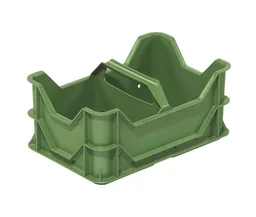
Fresh raspberries keep for just one to two days in the refrigerator. Store them unwashed, spread loosely on a plate lined with paper towels. Wash them just before eating; otherwise, they'll absorb water and turn mushy.
The best way to preserve raspberries keeps the taste of summer alive. Process or freeze them as soon as they are picked to lock in their full flavor and bring a little sunshine to your plate, even in winter.
How to preserve raspberries
If you have more raspberries than you can eat fresh, there are plenty of ways to preserve them. To freeze, spread the berries on a tray and freeze them individually before transferring them to freezer bags. This keeps them from sticking together. Raspberry jam, syrup and homemade liqueur are also wonderful ways to capture the taste of summer.
How to prevent common raspberry problems
Even with the best care, diseases and pests can sometimes appear. Spotting and dealing with them quickly helps limit damage and protect your harvest.
How to identify and treat cane blight
Cane blight is a fungal disease that causes purple to brown spots on the canes. The bark splits and the shoots die back. To help prevent it, choose an open, airy spot and prune regularly. Remove infected canes right away and dispose of them with household trash, not in the compost. Thin the plants regularly to maintain good air circulation.
Raspberry beetles: How to deal with them
If you find small white grubs in your fruit, raspberry beetles are to blame. The beetles lay their eggs in the flowers, and the larvae then develop inside the fruit. This is less common with fall-bearing raspberries, which flower after the beetles' main flight period. Put up white sticky traps before flowering to catch the beetles. Removing wild blackberries nearby can also help reduce the risk of an infestation.
Growing raspberries in your own garden and outdoor space is rewarding. Choose the right variety, find a good spot and prune properly, and you'll be well on your way to a plentiful harvest of sweet berries. Enjoy the fruits of your labor!
Frequently asked questions
- What is the best location for raspberries?
- Raspberries need a sunny to partly shaded, sheltered spot. The soil should be rich in organic matter, loose and well drained to prevent waterlogging. Slightly acidic soil is ideal. Install a trellis for summer raspberries to support the canes and improve air circulation.
- Do I need to fertilize raspberries?
- Yes, fertilizing is important for a plentiful harvest. Feed your raspberries with an organic berry fertilizer or mature compost in spring. A second, lighter application after harvesting can help strengthen new canes on summer raspberries. Avoid nitrogen-rich fertilizers, which encourage leaf growth at the expense of fruit.
- Why do my raspberries have worms?
- The “worms” in raspberries are usually raspberry beetle larvae. The beetle lays its eggs in the flowers, where the larvae develop. To reduce infestations, keep the area clean, remove affected fruit right away and loosen the soil in fall to disturb the pupae.
- What is the difference between summer and fall raspberries?
- Summer raspberries produce fruit on two-year-old canes, meaning shoots from the previous year. You harvest them in June and July. Fall raspberries fruit on new canes from August until the first frost. They are easier to prune because all the canes are cut back close to the ground in winter.
- How can I stop raspberries from spreading uncontrollably?
- Raspberries produce root suckers and can spread extensively. For this reason, plant the bushes with a root barrier. Dig it around the bed to a depth of approximately 30-40 cm. Regularly removing suckers that grow beyond the desired area also helps keep the plants under control.
You may also be interested in
- Raspberry trellis: How to build one for a bumper crop
- Growing strawberries in your garden: Planting, care and harvesting
- Planting currants: Location, varieties and care tips
- Caring for rhubarb after harvest: A complete guide
- Preserving berries: Make your sweet harvest last
- Growing cranberries: Fresh cranberries from your own garden