
In brief: A heat recovery ventilator (HRV) replaces stale indoor air with fresh air while using heat from the outgoing air to preheat the incoming air. This significantly reduces the energy needed for heating. At the same time, it helps manage humidity and prevent mold growth. Savings on heating bills can help offset the cost of the system.
HRV Systems: Efficient Home Ventilation
Modern homes are built to be airtight. This saves energy, but raises a new question: how can fresh air enter without letting heat escape? The answer is a heat recovery ventilator. These systems circulate fresh air while retaining heat inside your home.
They can improve your home's energy efficiency and help manage excess humidity in well-insulated rooms. The result is a healthier indoor environment with lower energy use.
How does a heat recovery ventilation system work?
The heat exchanger is the heart of the system. Two separate air streams pass through it without mixing. The first is warm, stale air drawn from the kitchen, bathroom and living areas. The second is cold, fresh air from outside.
In the heat exchanger, the outgoing air transfers most of its heat to the incoming fresh air. This preheated supply air then flows into bedrooms and living rooms. The stale air is exhausted outdoors. The process runs continuously and quietly in the background.
“The heat exchanger is the heart of the system. Its efficiency determines how much of the heating energy you use stays in your home. Efficiencies above 90 percent are standard in modern units.”
You can adjust the airflow using different settings. A humidity sensor automatically increases ventilation when a lot of water vapor is produced. Supply-air pollen filters can also improve indoor air quality for people with allergies.
How does a ventilation system improve your home's energy efficiency?
When you open windows to ventilate, heated indoor air can escape in just a few minutes. You then have to heat cold outdoor air from scratch. That wastes energy.
A heat recovery ventilator helps prevent this loss by returning heat from the outgoing air to the system. Your heating system only has to make up the small temperature difference between the preheated supply air and your desired room temperature.
Expert tip
Pair your ventilation system with a heat pump. Preheated supply air makes the heat pump's job easier, especially during the spring and fall. This can improve the overall efficiency of your home's heating and ventilation systems.
Realistic heating cost savings range from 30 to 50 percent. In a well-insulated new home or a renovated older home, the system can pay for itself quickly. It is a key part of an energy-efficient home.
How does ventilation help protect your home from moisture?
A household of four can produce up to twelve litres of moisture every day. Cooking, showering, breathing and houseplants all contribute. In airtight homes, that moisture can build up.
Without adequate ventilation, moisture condenses on the coldest parts of the building envelope. These are often window recesses or uninsulated sections of wall. Damp surfaces and organic materials such as wallpaper or plaster provide ideal conditions for mold to grow.
Important note
Opening windows wide for a few minutes may not be enough to remove moisture continuously in modern, airtight homes. In winter, people often ventilate for too short a time because they don't want to let in cold air. A ventilation system works reliably regardless of how often you open the windows.
Controlled ventilation removes humid air from the kitchen and bathroom and supplies fresh air to living spaces. This helps keep relative humidity within the ideal range of 40 to 60 percent. That makes it harder for mold to grow.
The two types of systems: central and decentralized ventilation
You can choose between two basic system types. A central ventilation system has a main unit, often in the attic or basement. A network of ducts draws air from humid rooms and distributes fresh air to drier rooms.
Installation takes more work because the ducts have to be installed. However, the system is quiet and efficient, and maintenance is handled in one location. It is a popular choice for new homes and major renovations.
Decentralized units are installed directly in the exterior wall of individual rooms. They are ideal for retrofits. Each unit ventilates one room, so long duct runs aren't needed and planning is simpler.
“For existing homes, decentralized ventilation units are often the more practical choice. With one core-drilled opening per room, the system can be installed quickly and start working right away. Modern controls can intelligently synchronize several units throughout the home.”
The right choice depends on your home and budget. A qualified contractor can provide impartial advice. Both types of systems may qualify for incentives.
What should you consider when planning and installing the system?
Start with professional planning. An energy consultant or ventilation specialist will calculate the required airflow rate for your home. The size of the rooms, the number of occupants and how the rooms are used are all taken into account.
The position of the air outlets and inlets is crucial for quiet operation. Avoid short distances between extract and supply air. Otherwise, the fresh air will flow straight back into the extract system without circulating through the room.
With a central system, installing the ductwork is a critical step. Flexible hoses reduce sound transmission. Insulating the ducts prevents unwanted heat loss and condensation.
Additional advice
Before installation, agree on a precise schedule with your contractor. Dust from core drilling or duct installation is unavoidable. Ideally, plan this work before the final fit-out or during a renovation phase.
Maintenance and cleaning for long-term efficiency
A ventilation system requires regular maintenance. This is the only way to ensure it continues to operate efficiently and hygienically. The most important step is replacing the filters.
The coarse and fine filters in the supply air system trap dust and pollen. Depending on the level of contamination, they should be replaced between one and four times a year. Clogged filters increase the fan's energy consumption and reduce air quality.
Clean the heat exchanger according to the manufacturer's instructions, usually once a year. Dust and grease can coat its surface and reduce efficiency. Some units have an automatic defrost function for condensate.
Wipe the ventilation grilles on the ceiling or wall regularly. For cleaning surfaces and removing coarse dust after building work, a powerful vacuum such as the 18 V wet/dry vacuum cleaner is ideal. Its power also removes stubborn dirt from corners.
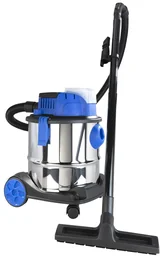
For quickly cleaning external grilles or drying condensate drains, a handy multifunctional vacuum such as the
3-in-1 stainless steel wet/dry vacuum and blower is ideal. Its compact size makes it the perfect helper for regular system maintenance.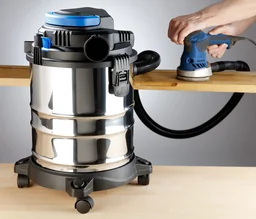
How is a ventilation system financed and subsidized?
Investing in a ventilation system with heat recovery is eligible for government funding. The Federal Funding for Efficient Buildings (BEG) program offers grants through BAFA or low-interest loans through KfW.
You must always apply for funding before starting the work. A specialist company will prepare the required individual renovation roadmap (iSFP) or confirm the work in a quotation. Submit these documents to the funding authority.
The amount of the grant depends on the system's efficiency. Units with particularly high heat recovery rates receive greater subsidies. Combining the system with other measures, such as a new heating system, can also increase the funding rate.
Do not calculate the financial benefits based solely on the grant amount. The annual savings on heating costs are the real benefit. Over the system's service life of 20 years or more, these savings add up significantly. Many homeowners recover the net cost within 10 to 15 years.
Suitable products for installation and maintenance
In addition to the system itself, you need accessories for professional installation and later maintenance. Sealing materials, acoustic insulation and suitable fixings are essential for a professional installation.
A gentle cleaning product is recommended for cleaning the external air vents or the unit housing. The
roof cleaner effectively removes organic dirt such as bird droppings or pollen deposits without damaging the materials.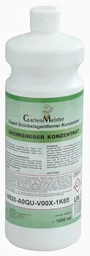
When planning, also consider the proper drainage of any condensate water from the system. A compliant drainage system prevents water damage.
Controlled residential ventilation is more than just technology. It actively helps preserve the value of your home. It protects the building structure, saves you money and creates a comfortable, healthy home. The investment is worthwhile for anyone who wants to live efficiently and sustainably in the long term.
Frequently Asked Questions
- How does an HRV system work?
- The system passes stale, warm exhaust air and fresh, cold outdoor air through a heat exchanger. Heat from the exhaust air is transferred to the incoming air without the two air streams mixing. This lets preheated fresh air enter the home while stale air is removed, saving energy on heating.
- How does a ventilation system improve energy efficiency?
- Heat recovery reduces heat loss during necessary air exchange by up to 90 percent. This can significantly lower heating costs. Modern systems achieve very high efficiency levels. Plus, a steady supply of fresh air improves indoor air quality without opening windows and wasting energy.
- Can a ventilation system help prevent mold?
- Yes. Controlled, demand-based air exchange reliably removes excess moisture from cooking, showering, and breathing. A steady air change helps prevent humidity from condensing on cold walls. This is one of the most effective ways to help prevent mold growth in well-insulated homes.
- Can you install a ventilation system in an older home?
- Yes, a decentralized ventilation system is well suited to retrofitting. Each unit requires just one core-drilled hole through an exterior wall. Central systems are more complex because they require ductwork throughout the house. A specialist can assess what's feasible and recommend the right system for your home.
- How much does a ventilation system cost, and what incentives are available?
- Depending on the system and the size of the house, costs range from 5.000 to 15.000 euros. The Federal Subsidy for Efficient Buildings (BEG) offers grants for installation. Applications must be submitted before work begins. Over time, lower heating costs can help pay back the investment.
You might also be interested in
- Ventilation systems: Improve indoor air quality in your home
- Gas heating for your home: Costs, benefits, and efficiency
- Heat pumps and solar systems: An energy-efficient solution for your home
- Home ventilation: Types and benefits explained
- Air-to-water heat pumps: An efficient heating solution for your home
- Install a heat pump yourself: A step-by-step guide