
In brief: A well-thought-out planting plan maximises your vegetable harvest by strategically combining location, crop rotation and companion planting. It helps you make the best use of the available space, keep the soil healthy and reduce pest infestations. This means you can harvest fresh vegetables from your own garden continuously from spring to autumn.
A productive vegetable garden bed is no accident. It is the result of careful thought and strategic planning. With a well-designed planting plan, you can turn even a small garden into a productive source of fresh, healthy vegetables. You save time, avoid disappointment and work with nature rather than against it. This guide shows you how to systematically create an efficient planting plan for your vegetables.
- Why is a planting plan important for your vegetable garden?
- How do you lay the foundations for your planting plan?
- Understanding the art of crop rotation and companion planting
- How do you create a practical planting plan?
- Planting plan examples for different garden sizes
- Maintaining and adapting your plan during the season
Why is a planting plan important for your vegetable garden?
A plan may initially sound like extra work, but it is the best investment you can make in a successful gardening season. It encourages you to understand the basics before you put the first seed in the ground. A good planting plan maximises your yield per square metre. You use the space thoughtfully by planting tall crops next to low-growing plants and filling gaps with fast-maturing crops. This creates a productive system that provides harvests from spring to autumn.
A plan also protects the health of your soil. If you grow the same vegetable in the same spot year after year, the soil becomes depleted in an uneven way. Diseases and pests that specialise in this plant family can multiply unchecked. A planting plan that includes crop rotation breaks these cycles. You actively prevent soil fatigue and reduce the need for pesticides and intensive fertilising. This saves money and protects the environment.
How do you lay the foundations for your planting plan?
Before planning where to plant tomatoes and lettuce, you need to understand your growing conditions. A detailed analysis of your garden is the basis for all subsequent decisions.
Assessing the site: sun, shade and soil
Observe the path of the sun across your property for one day. Most fruiting vegetables such as tomatoes, peppers and courgettes need at least six to eight hours of direct sunlight per day. Areas with less sun are better suited to leafy vegetables such as lettuce, spinach and certain herbs. Make a note of the sunny and shaded areas.
Soil is the foundation of your garden. Find out whether you have sandy, loamy or clay soil. A simple finger test can help: sandy soil feels gritty and falls apart, loamy soil is easy to shape and smooth, while clay soil is heavy and sticky. Most vegetables prefer loose, humus-rich loamy soil. You can improve any soil with compost and the right fertiliser.
Determining the size and shape of your bed
The practical handling of your bed is crucial. A bed width of 1.20 metres has proven effective. This allows you to comfortably reach the centre from both sides without stepping on and compacting the soil. The length is flexible and can be adapted to your garden. Rectangular shapes are the easiest to plan and work. Raised beds also offer the advantage of warmer soil in spring and a more comfortable working height.
What do you want to grow? Create a wish list
Write down what you and your family enjoy eating. There is no point growing huge quantities of Swiss chard if nobody likes it. Then research the needs of your preferred crops. How much space does a courgette plant need? What soil requirements does cabbage have? Be realistic and compare your wishes with the available space and climate.
Pro tip
Use graph paper for planning your beds. Draw your bed to scale and use circles or squares to show the space required by each plant. Colour-coding different plant families will help you keep track of your crop rotation.
Understanding the art of crop rotation and companion planting
Crop rotation and companion planting are the two pillars of sustainable and efficient garden planning. They imitate natural systems and create a resilient, self-regulating mini ecosystem in your garden bed.
Crop rotation: keeping the soil healthy
Crop rotation describes the planned alternation of plant families in one area over several years. The basic idea is simple: each plant removes certain nutrients from the soil and is susceptible to particular diseases. Systematic rotation prevents one-sided depletion.
Vegetables are divided into three main groups:
- Heavy feeders: Need a lot of nutrients. These include most types of cabbage, tomatoes, cucumbers, squash and potatoes. They are planted in the first year in an area freshly supplied with compost.
- Moderate feeders: Have moderate nutrient requirements. Examples include carrots, onions, fennel and lettuce. They follow the heavy feeders in the second year.
- Light feeders: Manage with few nutrients. These include peas, beans, radishes and most herbs. They thrive in the third year, when the soil has already been somewhat depleted. Many of them, including legumes such as peas and beans, even enrich the soil with nitrogen.
In the fourth year, you can sow a green manure crop to give the soil a break and enrich it with organic matter before the cycle starts again with fresh compost and heavy feeders.
Nature does not work in monocultures, but in communities of living organisms. Companion planting makes use of this principle.
Companion planting: good neighbours in the vegetable garden
Companion planting means combining different vegetables, herbs and flowers so that they positively influence one another. The benefits are varied: certain plants keep pests away from their neighbours, while others improve flavour or loosen the soil for their companion plants.
Some tried-and-tested partnerships include:
- Carrots and onions: The smell of onions repels carrot flies.
- Tomatoes and basil: Basil repels pests such as whiteflies and is even said to improve the flavour of tomatoes.
- Beans and summer savoury: Summer savoury protects beans from black bean aphids.
- Lettuce and radishes: They use different soil depths and do not compete for nutrients.
At the same time, there are bad neighbours. Plants from the same family, such as tomatoes and potatoes, should not be planted next to each other because they compete for the same nutrients and are susceptible to the same diseases.
Important note
It is essential to avoid growing plants from the same family directly after one another or next to one another. Planting potatoes after tomatoes or cabbage after broccoli greatly increases the risk of diseases such as blight or clubroot.
How do you create a detailed planting plan?
With your knowledge of location, crop rotation and companion planting, you can now create your detailed plan. Proceed step by step.
Step 1: Sketch the bed on paper or digitally
Take your scale drawing and divide the bed into the plots planned for crop rotation. If you only have one bed, you can mentally divide it into three or four sections and rotate the groups each year.
Step 2: Position the main crops
Start with the largest plants or the crops that will remain in the bed the longest. These are your main crops, such as tomatoes, cucumbers, cabbage or courgettes. Draw them in while taking their final space requirements into account. Also include trellises and other garden and plant accessories in your plan.
Step 3: Plan fillers and catch crops
Use the spaces between slow-growing main crops for fast-maturing plants. Lettuce or radishes can be planted between rows of cabbage. They will be harvested before the cabbage needs all the available space. This allows you to use every centimetre of your bed efficiently.
Step 4: Plan early and follow-on crops for a continuous harvest
Think in terms of time periods. Before planting heat-loving tomatoes in May, you can already harvest a crop of spinach or lamb's lettuce from this area in March/April as an early crop. Once early potatoes have been harvested in July, there is room for a follow-on crop such as endive or kale for autumn and winter. Good planning allows you to harvest from March through to the following January.
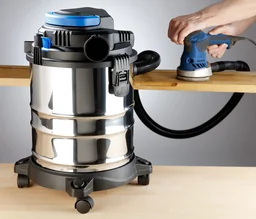
After each harvest and before sowing again, clear plant debris from the bed. With a powerful helper such as the 3-in-1 stainless steel wet and dry vacuum cleaner and blower you can effortlessly remove old leaves and loose soil not only from paths, but also from empty raised beds before refilling them with fresh soil.
Planting plan examples for different garden sizes
A planting plan does not have to be complicated. Here are two simple examples for inspiration.
Planting plan for a small vegetable garden (e.g. 2x1m raised bed)
In a small bed or raised bed, focus on vertical growth and compact varieties. The “Square Foot Gardening” method is ideal here.
- Back row (against a trellis): Runner beans or a climbing cucumber.
- Middle row: Two compact bush tomatoes with basil in between.
- Front row: A row of cut-and-come-again lettuce alternating with radishes.
- Border planting: Marigolds to deter nematodes.
Here, you mix the crops directly and do not follow a strict crop rotation. The following year, swap the positions of the plant families or partially replace the soil in the raised bed.
A well-planned crop rotation is the best protection against soil fatigue and one-sided nutrient depletion. It promotes active soil life and sustainably reduces disease pressure.
Planting plan for a medium-sized bed (e.g. 4x1,2m)
With this size, you can implement a classic four-field rotation on a small scale. Divide the bed into four equal sections (each 1x1,2m).
- Section 1 (heavy feeders): White cabbage and broccoli. Dill as a catch crop.
- Section 2 (medium feeders): Carrots in one row and onions in the next.
- Section 3 (light feeders): Bush beans with summer savory along the edge.
- Section 4 (regeneration): Green manure such as phacelia or a permanent crop such as strawberries.
The following year, move the contents of each section forward by one position. The heavy feeders go into section 4, which has been prepared with compost, while the medium feeders move to section 1, and so on. This rhythm keeps the soil healthy and fertile in the long term.
Maintaining and adapting your plan during the season
Your planting plan is a living document, not a rigid rule. The weather, pest infestations or unexpectedly good (or poor) growth may require adjustments. Observe your plants closely. Respond to their needs with targeted garden watering and nutrient applications.
Additional advice
Keep a gardening diary. Make a note of when you sowed and harvested each crop. Record which varieties tasted particularly good and which plant combinations worked well. These notes are invaluable when planning for the following year.
Care is not limited to the beds themselves. A clean environment reduces pest pressure. Paths, bed borders made of wood or stone and the walls of the garden shed should be kept free of moss and algae. Use the roof cleaner to keep these surfaces clean and prevent slug eggs or fungal spores from taking hold there. The inside of your garden shed or tool shed, where you store tools and pots, should also be cleaned regularly. A handy cordless vacuum cleaner such as the 18 V wet and dry vacuum cleaner WNTS is perfect for this job.


A good planting plan is your personal roadmap to a rich and rewarding harvest. It combines knowledge with foresight and makes gardening a creative and satisfying activity. Take the time to plan – your plants and your taste buds will thank you.
Frequently Asked Questions
- What is most important in a vegetable garden planting plan?
- The most important aspects are crop rotation and companion planting. Crop rotation prevents the soil from becoming depleted and helps stop diseases from taking hold. Companion planting uses beneficial relationships between plants to deter pests and promote growth. Together, they ensure healthy plants and abundant harvests over the long term.
- How do I start planning my vegetable garden?
- Start by taking stock of your garden. Assess the location of your bed in terms of sunlight and soil quality. Make a list of the vegetables you would like to grow. Then draw a scale plan of your bed to visualise the arrangement of the plants and plan the spacing correctly.
- Which vegetables are suitable for beginners?
- Hardy, fast-growing vegetables are ideal for beginners. These include radishes, cut-and-come-again lettuce, spinach, bush beans and courgettes. These varieties tolerate minor care mistakes and provide quick early successes, helping to maintain your motivation for future gardening projects. Herbs such as chives and parsley are also very easy to grow.
- What does crop rotation mean in a vegetable garden?
- Crop rotation means that you do not grow the same plants, or plants from the same family, in the same area every year. Instead, you systematically alternate between heavy, medium and light feeders. This rotation prevents nutrients from being depleted unevenly and helps stop soil-borne pathogens from building up.
- Can I use a planting plan on a balcony?
- Yes, a planting plan is also very useful for growing vegetables in pots and containers on a balcony. Plan which plants can share a planter (companion planting) and take their different water and nutrient requirements into account. This allows you to make the most of limited space and grow healthy plants in even the smallest area.
You might also be interested in
- Planting Plan & Sowing Calendar: Your Route to a Bountiful Harvest
- Plan Your Vegetable Garden: Your Route to a Successful Bed
- Creating and Caring for Vegetable Beds: The Ultimate Guide
- Growing Vegetables with Crop Rotation: The Guide to Sustainable Success
- The ABCs of Bed Design: Basic Rules for Beginners
- Planting a Raised Bed: How to Achieve a Bountiful Harvest